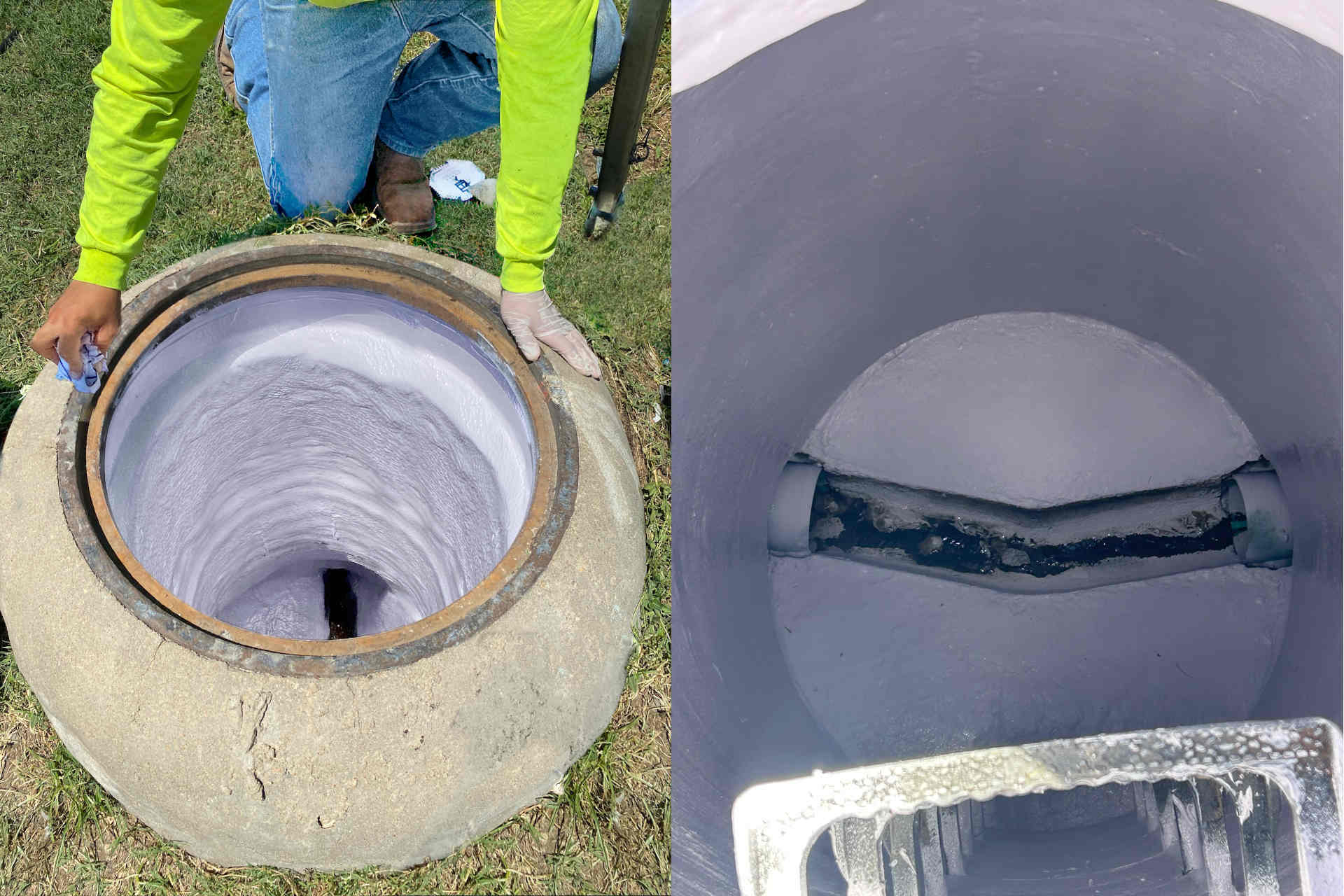
Sprayable Linings Used in Municipal Sewer Manhole Rehabilitation
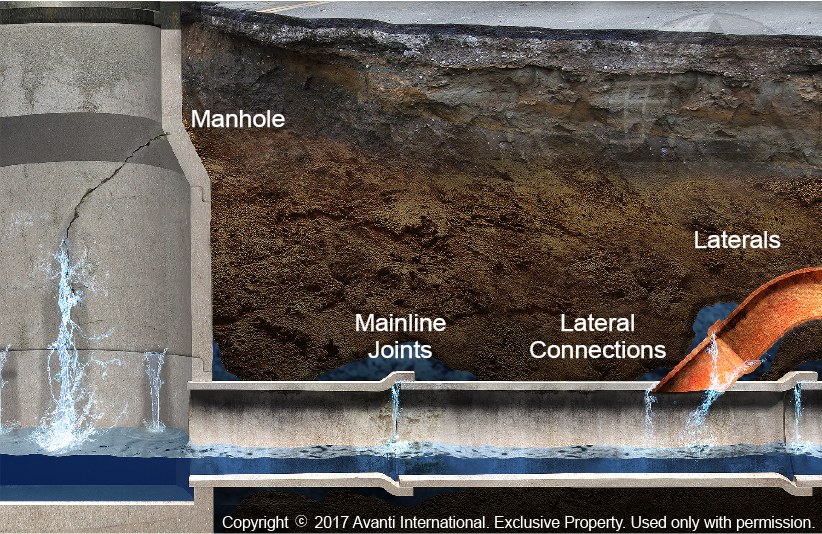
Sewer manholes are critical components of municipal wastewater collection systems, providing access for inspection, maintenance, and rehabilitation activities. However, they operate in some of the most aggressive infrastructure environments.
Exposure to hydrogen sulfide (H₂S) corrosion, inflow and infiltration (I&I), groundwater pressure, freeze-thaw cycles, and abrasion can accelerate deterioration and compromise long-term performance.
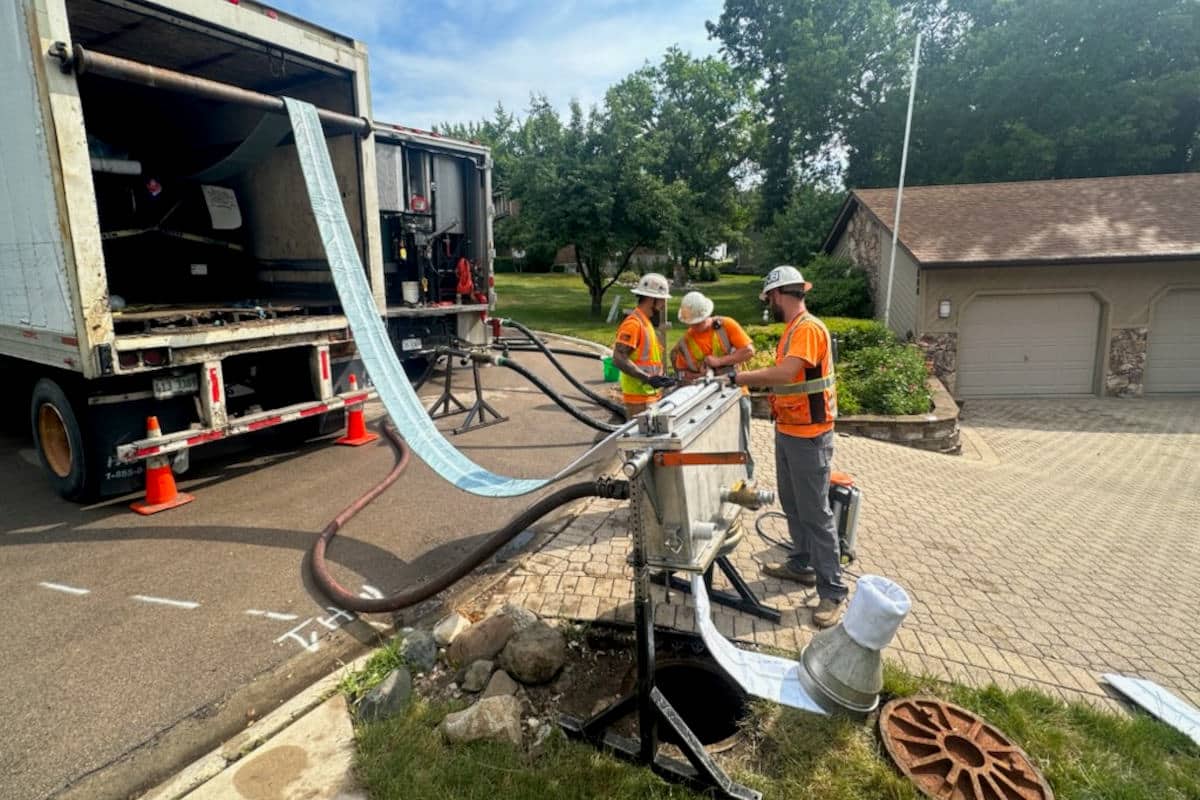
Today, trenchless rehabilitation technologies, including cementitious mortars, polymeric coatings, and structural lining systems, offer municipalities cost-effective solutions. Solutions that restore structural integrity, control infiltration, and protect against corrosion without excavation.
The Evolution of Manhole Rehabilitation
Prior to the 1970s, deteriorated manholes were commonly repaired through excavation and replacement, a costly and disruptive process. As utilities began recognizing the impact of I&I on collection systems and treatment of plant capacity, rehabilitation became a more practical alternative to replacement.
Early rehabilitation efforts focused on cementitious repairs, brick replacement, and chimney restoration. By the 1990s, advances in polymer chemistry introduced spray- and trowel-applied lining systems. These are capable of providing enhanced corrosion protection and infiltration resistance.
Today, rehabilitation programs are driven by asset management strategies that prioritize condition assessment, structural renewal, corrosion mitigation, and long-term lifecycle performance.
Latest Posts
- In Memoriam: Leo Barbera, Trenchless Technology Pioneer

- Hinterland Group Marks 20 Years of Trenchless Infrastructure Growth
- Digital Bore Planning Drives Better HDD Decisions

- Trenchless Technology Canada – Association Updates Fall 2026
- Organizers Recap UESI Pipelines 2026 Successes, Look Forward to Louisville

Next Up
HDD Rodeo | December 2-4, 2026 | Perry, Georgia | Learn more
HDD Academy | February 18-19, 2027 | Scottsdale, Arizona | Learn more
Microtunneling Short Course | May 4-6, 2027 | Scottsdale, Arizona | Learn more
Water Finance Conference | August 3-4, 2027 | Cleveland, Ohio | Learn more