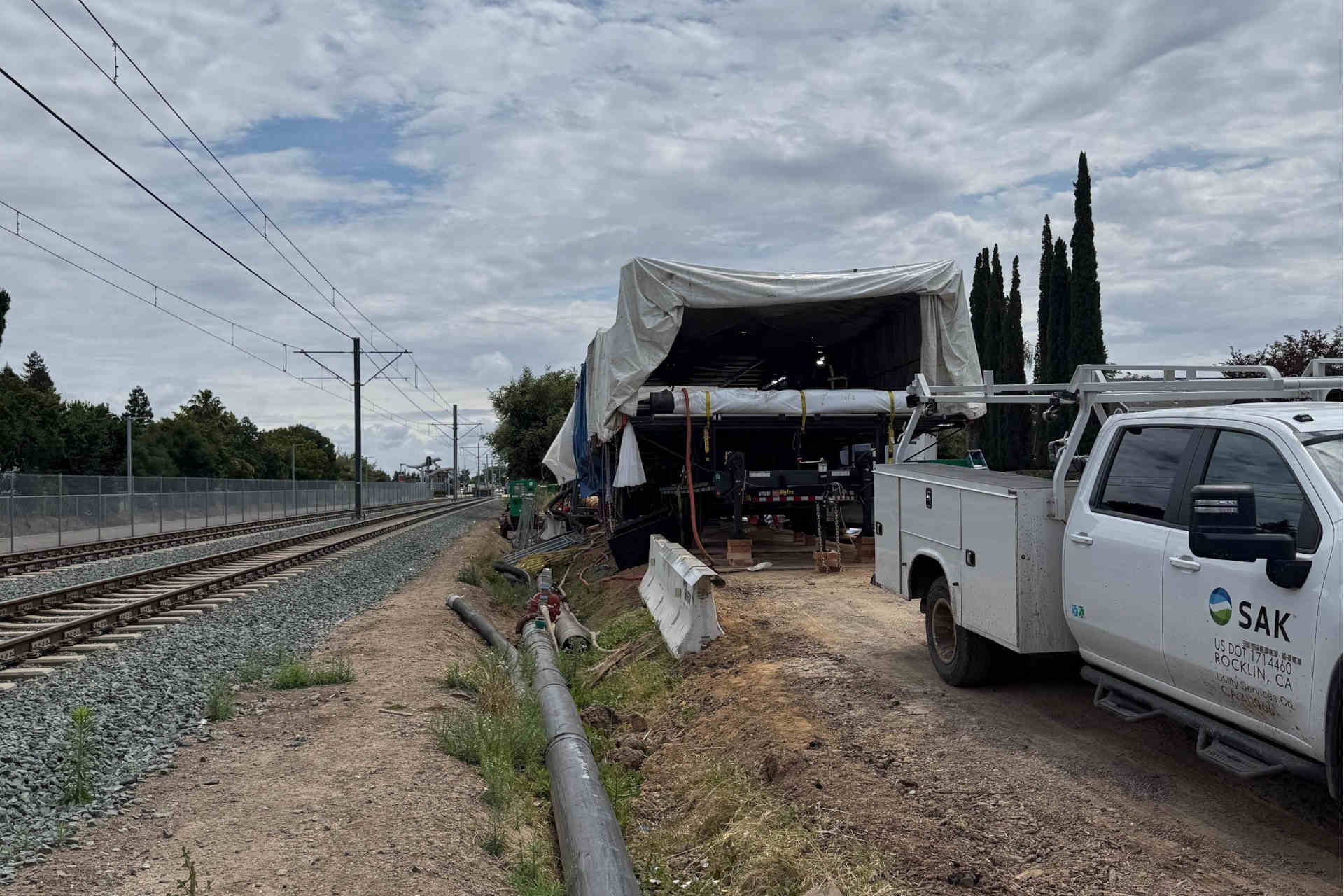
Record-setting Trenchless Rehabilitation Under Way for SacSewer
As stewards of critical municipal infrastructure, the Sacramento Area Sewer District (SacSewer) in Sacramento, California, is committed to investing in the long-term reliability and resilience of its sewer system before problems arise.
That proactive approach recently led SacSewer to undertake one of the most ambitious trenchless rehabilitation projects in the world — a record-setting effort to renew a major regional interceptor, extend the life of critical infrastructure, protect public health and the environment and ensure reliable service for the communities that depend on it.
The project was not prompted by a sudden failure but by due diligence.
SacSewer regularly evaluates the working condition of its infrastructure, and as part of its proactive system maintenance, undertook a condition assessment of a portion of the major interceptors within its collection system.
Working with engineering firm Woodard & Curran, SacSewer evaluated nine interceptors comprising more than 56 miles of large diameter pipelines within their system and discovered significant deterioration in one — the Lower Central Interceptor (LCI).
Further assessment of the LCI determined that structural rehabilitation was required to avoid potential service interruptions or even pipe failure in the future.
The 6.5-mile segment of the LCI was constructed in the early 1980s of calcareous concrete pipe and ranges in size from 84 to 120 in. in diameter. It carries approximately 162 million gallons of sewage per day during peak wet weather and is the major trunk serving the northeast area of Sacramento County.
From a technical perspective, this project is a notable effort that brings together large diameter cured-in-place pipe (CIPP) lining, an uncommon host pipe material, constrained and sensitive corridors, and logistics that push the upper bounds of current practice.
Technical Challenges
The existing interceptor alignment reinforces why trenchless delivery was essential for this project. The interceptor crosses Union Pacific Railroad (UPRR) corridors twice, passes beneath California State Highway 99, and runs immediately adjacent to light rail infrastructure.
It continues through a mix of commercial properties, congested major arterial roadway corridors, public green space with walking trails, areas immediately adjacent to residential development, crosses both city and county jurisdictions, and traverses environmentally sensitive areas near SacSewer’s EchoWater Resource Recovery Facility (EchoWater Facility).
In this context, trenchless rehabilitation is not merely a preferred alternative, it is the only practical means of renewing a backbone asset while limiting surface disruption. Reduced excavation translates to fewer impacts on traffic, businesses, the public, rail operations, and sensitive environments.
Coordination Is Key
The project also illustrates that successful trenchless delivery of this magnitude depends as much on coordination and process as on engineering design.
Permitting and environmental review were extensive, requiring collaboration with more than 20 different agencies and organizations.
Successfully obtaining all required permits was an extended process, and if it had not been planned for, could have seriously disrupted the project. For other agencies undertaking large scale rehabilitation with multiple permitting agencies involved, the lesson is clear — early and sustained coordination is not optional, it is central to managing schedule and delivery risk.
Because of the considerable number of collaborators and potentially impacted parties, outreach began early.
The design team of Woodard & Curran and HDR engaged major players like Union Pacific Railroad (UPRR), California Department of Transportation (Caltrans), and several commercial property owners along the LCI alignment during the preliminary design stage to mitigate the potential for changes later in the design process.
Flow Control
As with most large diameter interceptor rehabilitation projects, maintaining service during construction is both a critical benefit and a significant technical challenge.
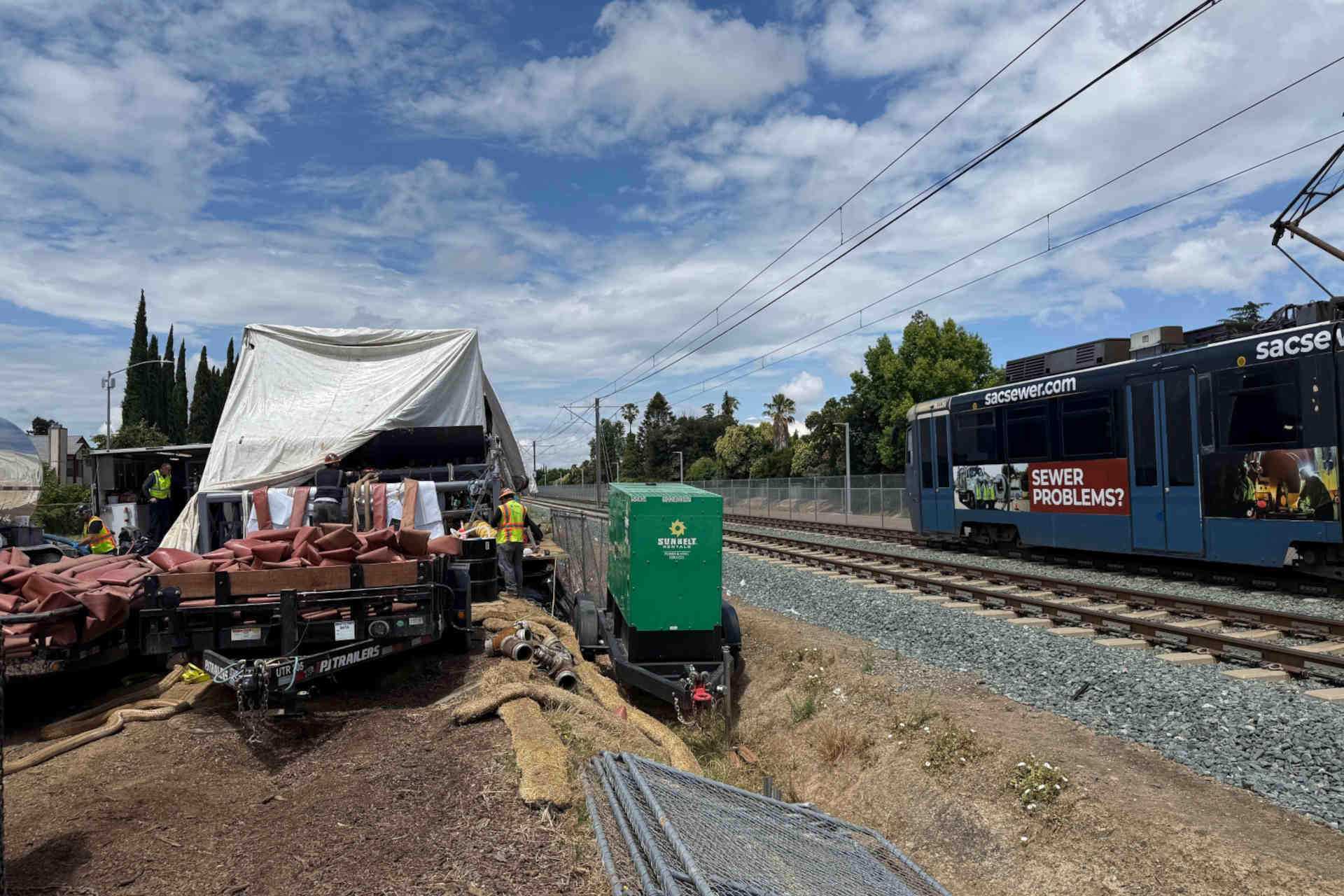
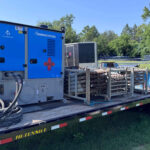
Flow bypass is a major component of the work, with the length of the segment being rehabilitated and the volume of flow passing through it driving the need for careful planning and a significant effort to install temporary pumps, piping, and cross connections to an existing parallel interceptor.
Because LCI serves so many customers, interruptions in service were not an option. This underscores the level of advance planning required when interceptors cannot be removed from service without unacceptable system wide consequences.
Design Methodology
From a design perspective, liner thickness calculations were critical for these large diameter and very deep interceptors where portions of the pipeline were located in areas prone to seasonal flooding.
This project is one of the early adopters of using ASCE MOP 145 design methodology for liner design. The host pipe material is another interesting feature of the project. The interceptor is made from calcareous concrete pipe, a limestone aggregate product that is relatively uncommon in U.S. sewage collection systems. This material behaves differently than conventional reinforced concrete pipe, particularly in how deterioration manifests and how corrosion is interpreted during inspection.
That rarity introduced additional complexity in condition assessment and rehabilitation planning and design. Cleaning and surface preparation requirements for calcareous concrete are less well-understood, underscoring a familiar reality for trenchless practitioners — host pipe material influences not only design assumptions but inspection interpretation, design, constructability, and overall project risk.
Record-setting Scope
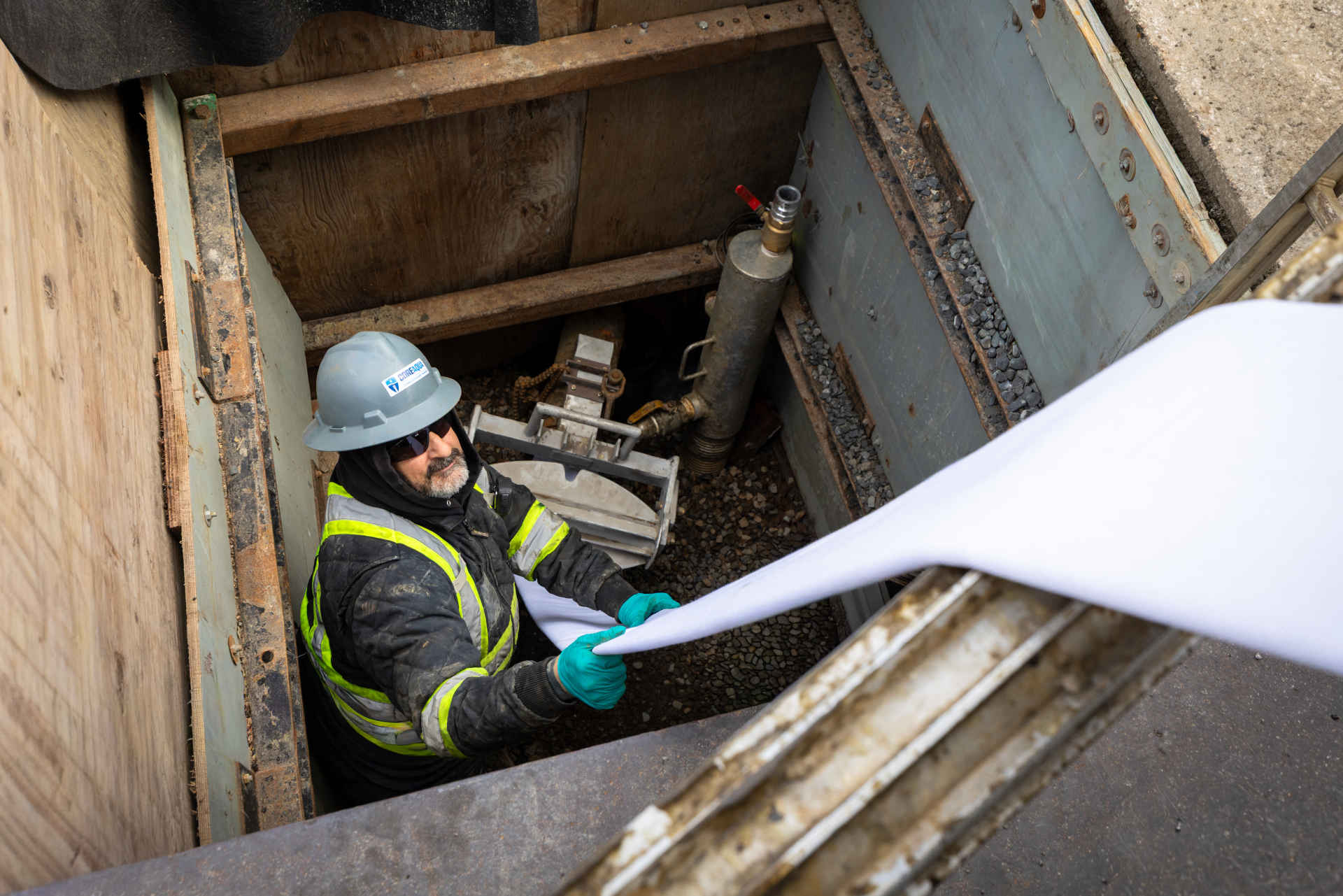
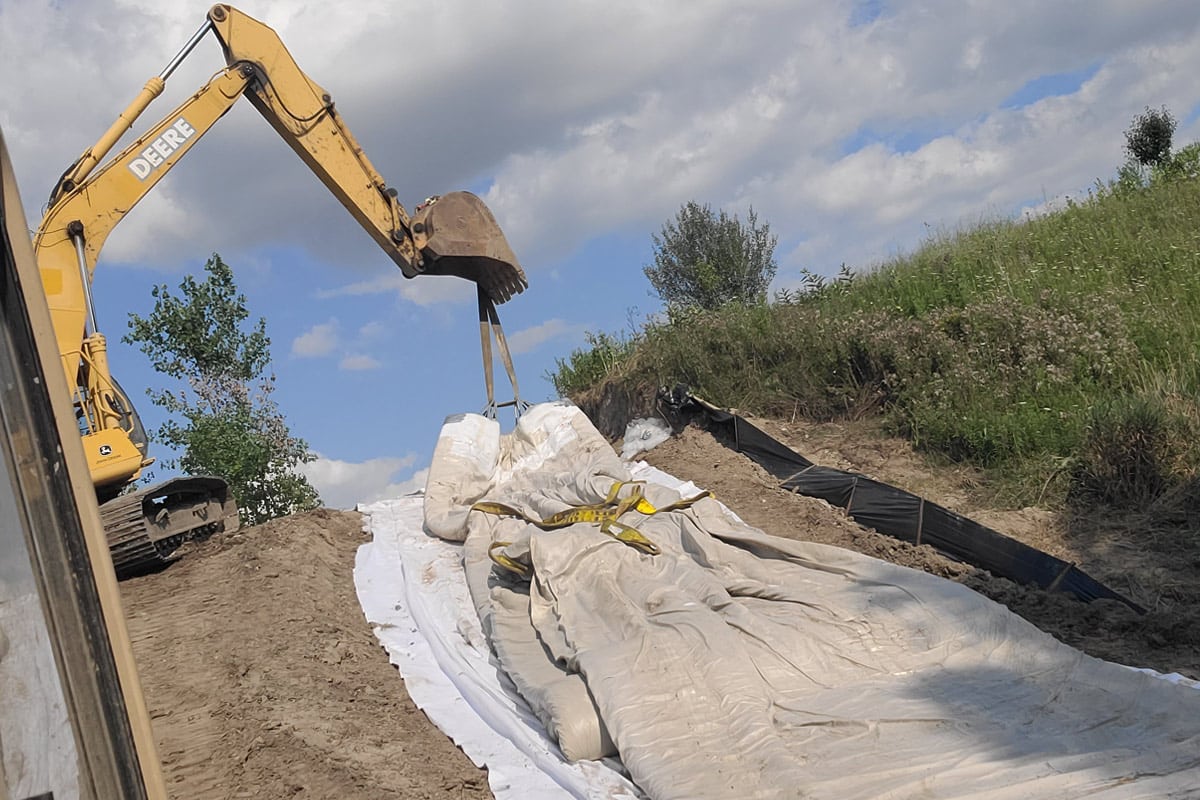
The physical scale of the project places it well outside routine practice. The 6.5-mile project is currently being constructed by SAK Construction (SAK) and is likely among the largest CIPP installations in the world.
“I don’t know of a larger job by weight of resin that has been installed to-date,” says Chris Macey, Americas and Global Technical Practice Leader for AECOM and technical advisor for the project.
The project scope includes a planned 1,323 ft continuous CIPP installation in the 120 in. pipe segment. This is more than three and a half football fields (including endzones) of pipe that a person could comfortably walk through and is thought to be the longest 120-in. diameter single shot installation ever done and the heaviest over-the-hole liner install ever completed.
This project will be completed using over-the-hole inversion and water cure and is anticipated to require more than 43 million gallons of water not including water used for pipe cleaning. That is the equivalent of 66 Olympic-sized swimming pools.
Because of the large volume of water needed, SacSewer included a requirement in the specifications that at least 30 percent of the water used be from a recycled source. SacSewer produces reuse-quality recycled water at their nearby EchoWater Facility, so SAK installed a recycled water pipeline to deliver it to the project site and reduce the amount of potable water used.
SAK is required to meter and track usage, with penalties applied if potable water use exceeds the allowable threshold. This requirement reinforces SacSewer’s commitment to environmental stewardship and sustainable infrastructure practices that protect community resources for the long term.
Project Timing & Significance
At time of publication, active construction has begun, with the bypass and recycled water piping in place and lining operations just starting up. The 120-in. installation is anticipated to begin in July of this year and the 84 and 108-in. segments will be complete by October of this year. Full construction is planned for two years, with completion expected in late 2027.
Ultimately, the significance of this project extends well beyond the rehabilitation of a single interceptor. It reflects how proactive planning, technical innovation, and regional collaboration can be combined to renew critical infrastructure before failures occur.
By investing ahead of failure and delivering trenchless rehabilitation at an unprecedented scale, SacSewer is not only protecting public health, environmental quality, and critical infrastructure today, but also helping define what resilient, forward-looking utility management can look like for agencies across the industry.
Jennifer Glynn, P.E., is senior technical practice lead at Woodard & Curran.
Latest Posts
- Product Showcase – CETCO HYDROGROUT-EZ
- Groupe ALLEN Joins Pomerleau

- Failure Analysis of Drill Rod Fracture During Large-Diameter HDD Pipeline Reaming
- No-Dig North 2026 Preview – Heading to Calgary

- Contractor Profile – SKE Construction
Next Up
HDD Rodeo | December 2-4, 2026 | Perry, Georgia | Learn more
HDD Academy | February 18-19, 2027 | Scottsdale, Arizona | Learn more
Microtunneling Short Course | May 4-6, 2027 | Scottsdale, Arizona | Learn more
Water Finance Conference | August 3-4, 2027 | Cleveland, Ohio | Learn more