Digital Bore Planning Drives Better HDD Decisions
Bore planning has always been a critical part of horizontal directional drilling (HDD). What once happened on a pad of paper can now be completed digitally, rod by rod, with far more information available before the drill string enters the ground.
For Braxton Smith, product manager at Subsite, the value of that shift is better preparation which leads to better decisions. A paper sketch may provide a basic path, but bore planning software can account for entry angle, depth requirements, utilities, machine limitations, pipe bend radius and other factors that shape a successful installation. When the job is complete, a digital as-built preserves what actually happened underground.
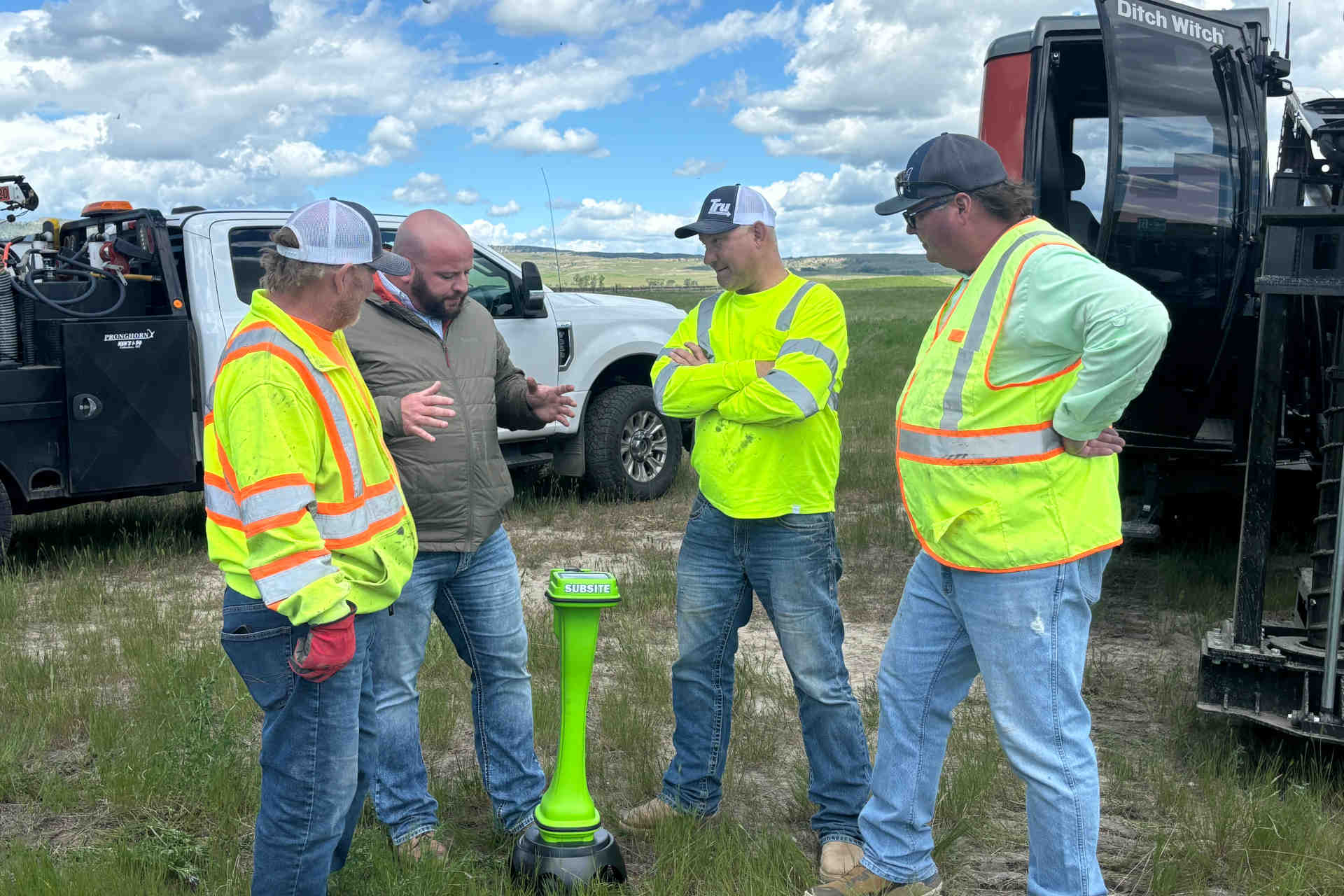
“We’ve always preached that you need to walk the bore path,” Smith says. “You have to know what is on the jobsite. The rod-by-rod planner is the final step. It gives you that final plan.”
Real World Observations
Walking the route remains essential. Crews need to identify visible conditions, utility crossings, frequency requirements and the depths necessary to complete the installation. Digital planning then turns those observations into an actionable bore profile. By identifying points of interest along the planned route, crews can better understand where adjustments may be needed to maintain minimum separation distances from existing utilities.
That process is more detailed than selecting a series of target depths. Smith notes that pitch matters as the drill passes through each waypoint. The operator must consider not only the current target, but also the next obstacle enroute to the next target. A rod-by-rod plan helps crews visualize those transitions, maintain a workable bore path and avoid exceeding the drill pipe’s allowable bend radius.
The software can also calculate setback distance required for the operator to reach minimum depth of cover at the required entry angle. Without adequate setback, an operator may steer too aggressively, stress the pipe or miss the allowable depth window. Knowing that distance before mobilization helps determine where to place the machine and whether the project may require concrete coring, traffic control or other work that affects the bid.
Smaller contractors may be installing fiber, cable or conduit with products that can tolerate tighter bends than steel, but the drill pipe and machine still have limits. Planning helps protect that equipment, extend pipe life and prevent costly corrections.
It also creates a shared operating picture. A typical crew may include an operator, locator and mud tech. When everyone reviews the same bore plan, each person understands the intended path and critical constraints. That continuity matters if a job extends across multiple days or a crew member must be replaced. It can reduce confusion, support safer handoffs and lower the risk of a utility strike.
From Bore Plan to Digital Record
Planning data also supports estimating. Setback, expected production, traffic impacts and required equipment can influence labor, scheduling and cost. Contractors can make those decisions before arriving on site.
The bore plan describes the intended path. The digital as-built records the installation that was actually completed. That record can include timestamps, depth, pitch, frequency, GPS points, time per rod, machine parameters, ground conditions, photographs and deviations from the original plan.
That information has value to both the contractor and the utility owner. If a contractor returns to the same right of way, the record can show where the utility was installed and what conditions the crew encountered. GPS reference points and site photographs can help locate the installation even if roads, sidewalks or surrounding landmarks have changed. Those GPS points can also help crews identify where to pothole and plan around previously installed utilities when preparing for another bore in the same corridor. The owner can leverage this data if it has to work in the same corridor post HDD installation.
Digital documentation can also bring the preplan and completed profile into one report. Overlaying the two shows where the drill head deviated and helps explain why. Soil transitions, rock and unknown underground conditions can move the bore away from its planned line. Preserving both profiles provides owners and contractors with a clearer account of the work than separate paper records can offer.
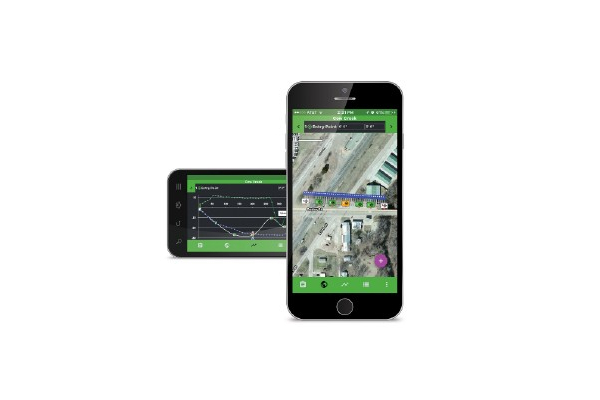
Smith says Subsite equipment and Ditch Witch’s Orange Intel platform can help capture information day to day, while tools such as FieldScoutand Commander 7 can organize planning and as-built data. FieldScout can tie GPS points and photographs to the job record. Owners and operators ultimately decide how that information is shared.
Turning Job Data Into Better Decisions
He highlights a recent project in Oregon that illustrates why machine performance data can help contractors evaluate equipment selection and productivity. The work was initially planned for installation using a JT28. The crew understood the required depths and bore geometry. During drilling, the pump could not move enough fluid downhole. The crew had to trip out.
The contractor returned with a larger AT120, increased flow and completed the crossing from the opposite side of the river. Using Orange Intel, the contractor could compare machine utilization rates and other operating parameters between the JT28 and AT120 to better understand the differences in performance. That knowledge can improve future equipment selection, bids and profit expectations in similar work.
Adoption varies by market. In regions where bid specifications require digital records, contractors may already view bore planning and as-builts as standard practice. Where documentation is not required, some crews may not recognize the benefit until they experience a difficult project.
Smith also sees planning software as a training tool. New operators can study how pitch, clock position, bend radius and steering corrections interact before making those decisions under production pressure. Subsite’s TMS Plus includes a Jobsite Wizard that uses basic waypoints, entry angle, cover requirements, utility locations and machine limits to develop a plan and flag possible conflicts. Simulators and dealer test fields can reinforce those lessons without putting a live utility at risk.
That capability is increasingly important as experienced workers retire, and newer employees enter an industry where underground corridors are crowded. Smith compares modern utility work to weaving a basket: operators must move up, down and between existing infrastructure. A visual plan gives them a clearer way to understand those movements.
Planning for the Next Bore
The strongest case for digital bore planning is not technology for technology’s sake. It is the ability to make better decisions before, during and after drilling. A well-built plan can identify constraints, guide the crew, protect equipment and improve estimating. A complete as-built can verify the installation, preserve jobsite knowledge and support future work.
As owners increasingly request digital deliverables, those records may also become an important part of compliance and project closeout. Even when they are not required, the information can help contractors understand production rates, explain deviations and make more informed bids.
“As an OEM, we are always looking at the future—how do we make it easier for contractors?” Smith says. For HDD crews, that future begins with knowing where they intend to go, documenting where they went and using both sets of information to improve the next bore.
Mike Kezdi is managing editor of Trenchless Technology.
- Digital Bore Planning Drives Better HDD Decisions

- Trenchless Technology Canada – Association Updates Fall 2026

- Organizers Recap UESI Pipelines 2026 Successes, Look Forward to Louisville

- Rädlinger Primus Line Hosts Partner Days 2026

- MaxLiner Expanding U.S. Distribution Network

Next Up
HDD Rodeo | December 2-4, 2026 | Perry, Georgia | Learn more
HDD Academy | February 18-19, 2027 | Scottsdale, Arizona | Learn more
Microtunneling Short Course | May 4-6, 2027 | Scottsdale, Arizona | Learn more
Water Finance Conference | August 3-4, 2027 | Cleveland, Ohio | Learn more