Cured-in-Place Pipe Rehabilitation Testing – Ensuring Quality and Longevity
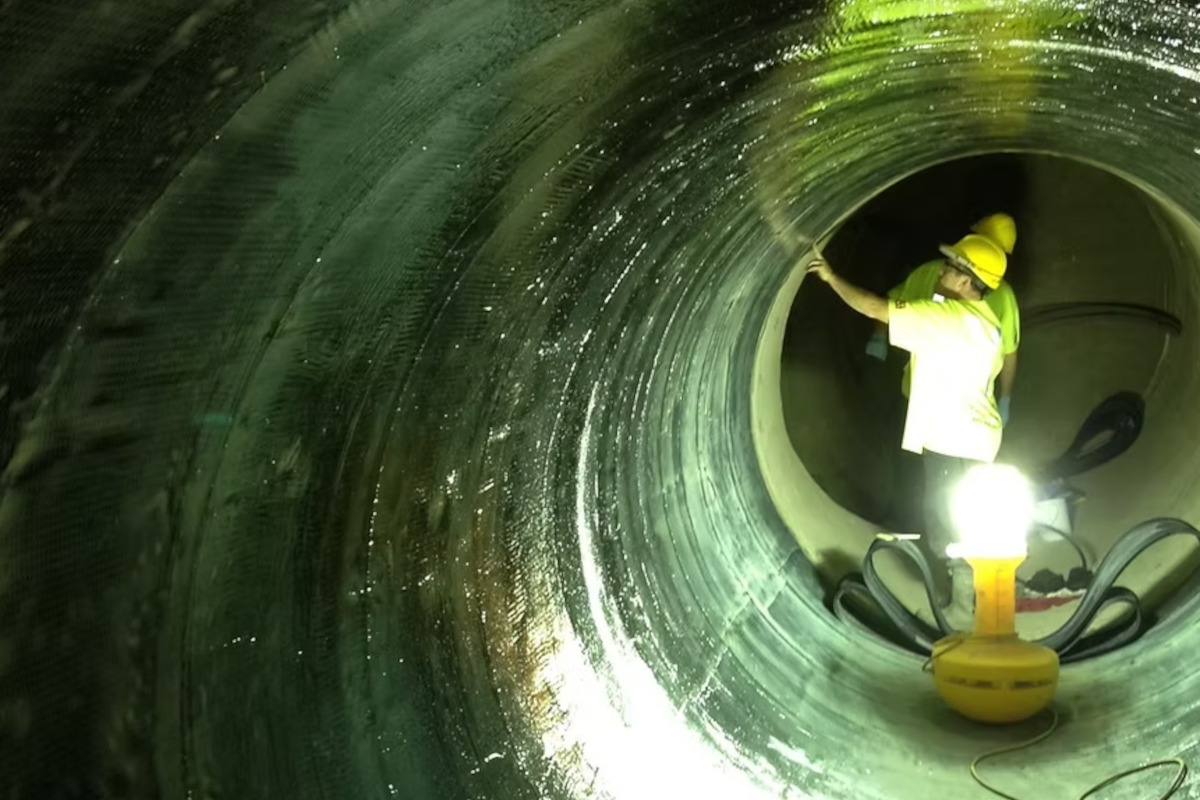
Cured-in-place pipe (CIPP) has become a cornerstone of trenchless rehabilitation due to its ability to extend the life of aging infrastructure with minimal disruption. However, the success of any CIPP installation depends on rigorous testing — from the moment materials are selected through post-installation validation. Testing ensures structural integrity, verifies compliance with specifications, and ultimately safeguards long-term performance.
This article outlines the key types of testing associated with CIPP rehabilitation, focusing on pre-installation, during installation, and post-installation phases. Understanding and implementing proper testing protocols is critical for owners, engineers, contractors, and inspectors to deliver successful outcomes.
Pre-Installation Testing
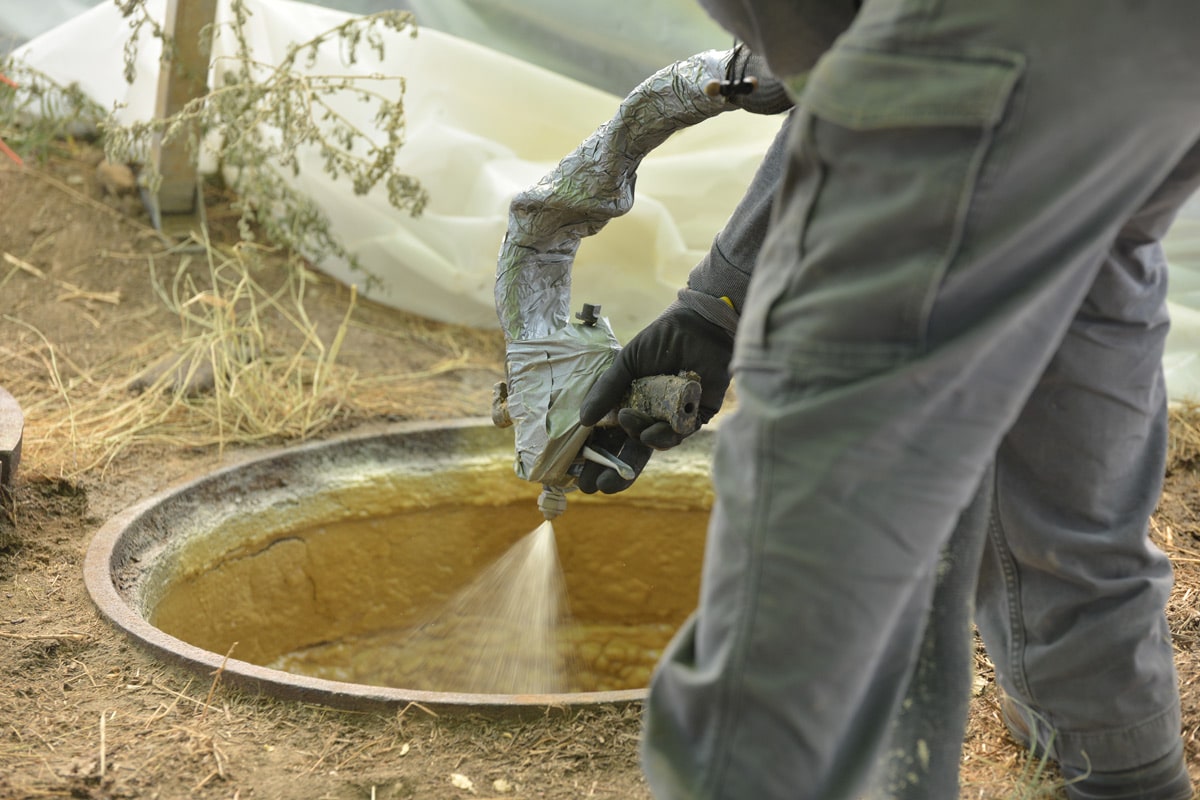
Before CIPP installation begins, thorough testing is required to confirm that both the liner and resin meet the design requirements. This includes:
Latest Posts
- Contractor Profile – SKE Construction
- 2026 Trenchless Rail Crossings Special Report
- NASSCO Report – Florida City Rehabilitates More Than 1,600 Manholes
- PG&E Files 10-Year Electrical Undergrounding Plan

- HDD Contractor Faces Tough Rock Drilling Under the Illinois River
Next Up
HDD Rodeo | December 2-4, 2026 | Perry, Georgia | Learn more
HDD Academy | February 18-19, 2027 | Scottsdale, Arizona | Learn more
Microtunneling Short Course | May 4-6, 2027 | Scottsdale, Arizona | Learn more
Water Finance Conference | August 3-4, 2027 | Cleveland, Ohio | Learn more