How Telematics Elevates the HDD Project Evaluation Process
The bottom line for any business is, well,… the bottom line. Better stated as, How much money is my business making.
There are so many factors that impact that all-important bottom line. Contractors must evaluate a slew of these factors to determine which projects will prove to be in the best interest of their business, as well as keeping track of their equipment’s overall health and performance.
In the early days of horizontal directional drilling (HDD), telematics technology was barely a blip on contractor’s radar. And when utilized, was mainly for keeping track of their rigs’ location and theft prevention.
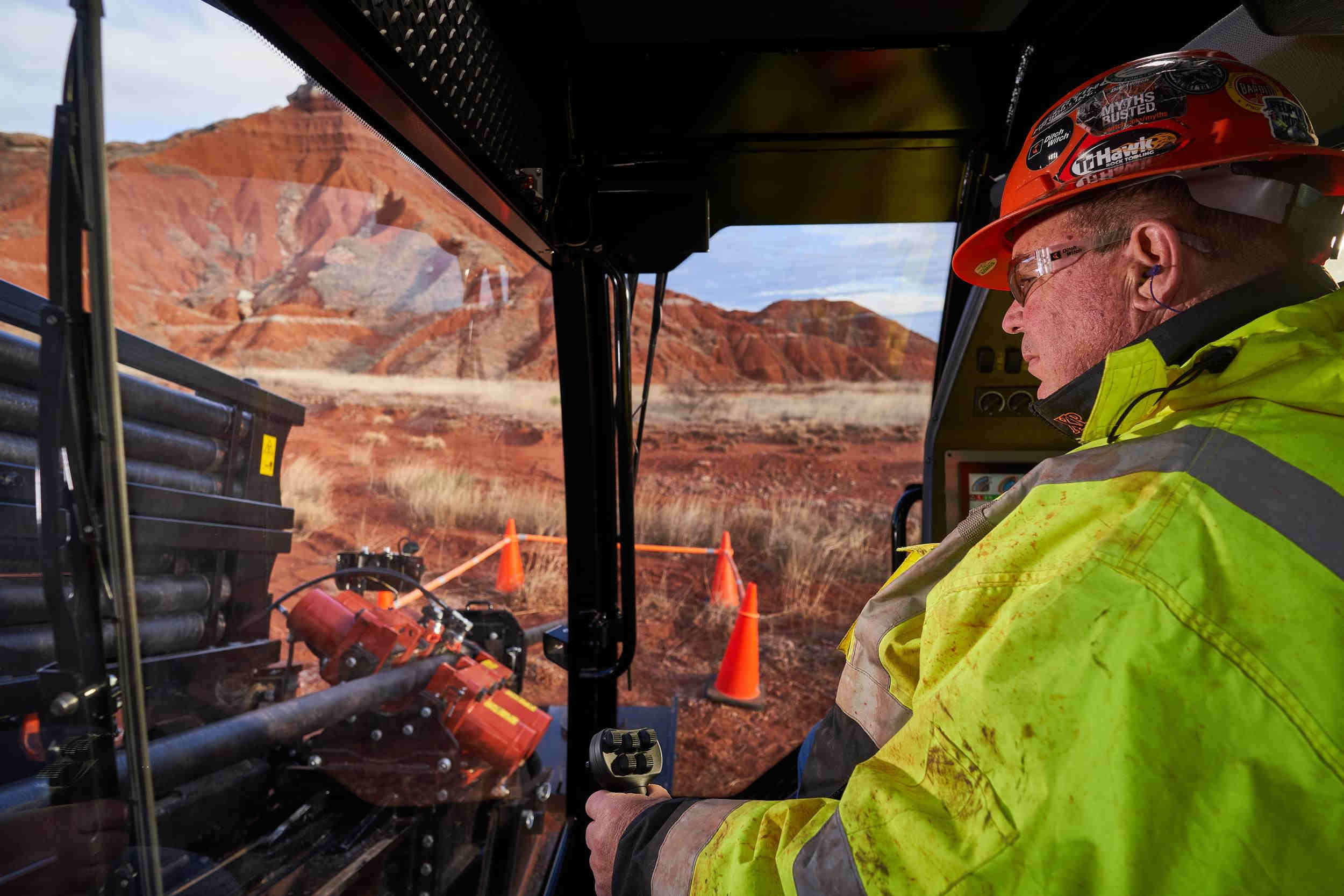
Today, telematics plays a crucial role in this important evaluation process, providing intricate and relevant data from past projects and jobsite conditions, as well as machine and crew performances to aid in their decision-making. Telematics is more than a computer program on their drill rig — it’s like their online medical chart. It is an easy-to-use technology tool that helps contractors to make informed decisions when it comes to bidding on future projects, planning machine maintenance and analyzing crew productivity.
“Telematics tells them the past story of that particular rig to make an informed decision on future projects,” says Ditch Witch HDD product manager Seth Matthesen, who has had a front row seat to the evolution and impact of telematic technology on rigs and contractors.
Evaluation Process
Evaluating the value of each project is more than swiping left or right. The process is critical to determine how much profit contractors can expect and plan for each job they bid. Criteria for this process is long and wide and includes ground conditions, jobsite location (rural vs urban setting), project parameters, crew size and availability, equipment needed, engine output, underground utilities, traffic requirements, rights of ways and so much more.
All these factors lead contractors to their determination of what is required for the job in front of them and calculation of their project bid. And by extension, their profit margin for the job.
“The evaluation process gives contractors a better insight of what their variable costs are vs their fixed costs,” Matthesen says.
Matthesen is as old school as you can get. He started in HDD on the contracting side in 1988 when the term telematics was pretty much nonexistent as was the software used today. “There were no cell phones or laptops. Our telematics was filling out a daily log sheet and making copies for everyone. That daily sheet included footage, type of product installed , soil condition, type and size of reamers, etc.,” he says.
That information and contractor knowledge and experience were the foundation of the day’s evaluation process.
Today’s telematics offers contractors much more detailed information that can make a substantive impact on how they bid, design and execute a project. The analytics can provide more than 100 data points or the 10 or 20 of a contractor’s choosing. “All of these things will lead you to what type of equipment you will need on the job, which also affects the price per foot. All these things give you a better idea of what your overall costs are going to be,” Matthesen says.
Critical Data Points
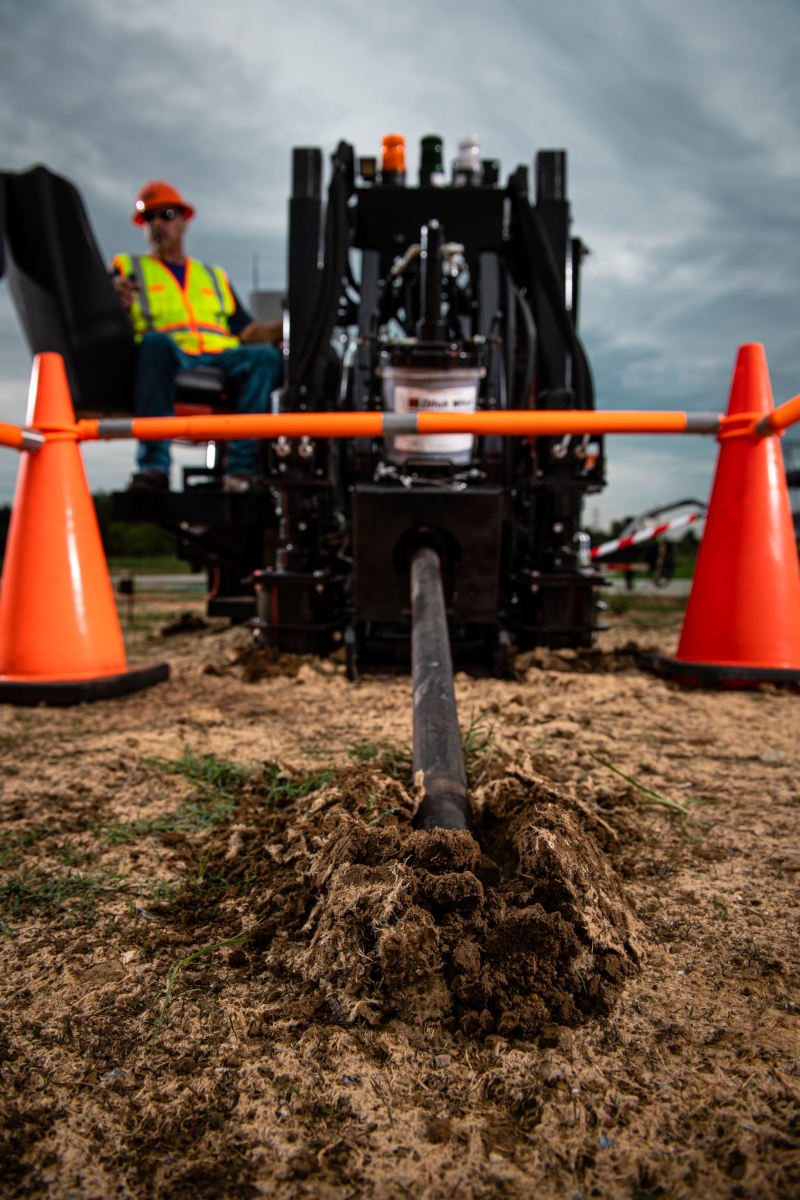
As HDD grew in acceptance, so did the number of contractors bidding on jobs, making the market more competitive. “People were taking a harder look at what the crews were producing, such as how many a feet a day they were completing in various types of soil conditions,” Matthesen says.
Telematics gives contractors a much clearer picture of how to bid on that next big project, particularly through equipment utilization data. Utilization, by definition, is the percent of hours the engine is on during an 8 hour day (which can be customized by the owner). . Pretty common utilization rate for rigs of 30 to 40 percent, Matthesen says.
“Telematics allows contractors to dive deeper in past projects. What were the drill’s thrusts and rotary torque, how much was the engine load, were we overloading that drill and do we need a different drill for this similar project?,” Matthesen says. “[Telematics] gives you the ability to understand what parameters you were putting your machine through in the past and you can make decisions for upcoming projects in the same area.”
But because telematics, such as Ditch Witch’s Orange Intel, can provide so much information — upward of 150 data points — the data can seem overwhelming and unnecessary for some contractors. But that’s the beauty telematics, Matthesen shares. If you want all the data points, great. If you want only 20 or so, that’s great, too. What’s important to one contractor may not be important to another.
“Contractors can use the telematics in a way that best fits their business,” he says. “Use a system, such as Orange Intel, that is customizable, so it fits what you want to see and what you want to evaluate.”
Preventative Profits
Telematics is also a useful tool when comes to routine and regular maintenance of your drill rig and other systems. The technology can assist in planning routine rig upkeep to keep your fleet working vs delaying that checkup, resulting in delays during the middle of project, forcing costly downtime.
“This improves overall efficiency and productivity,” Matthesen says. “You can plan for your maintenance vs running the risk of a problem with the machine on the jobsite or not having the drill available for a project because it’s going through maintenance.”
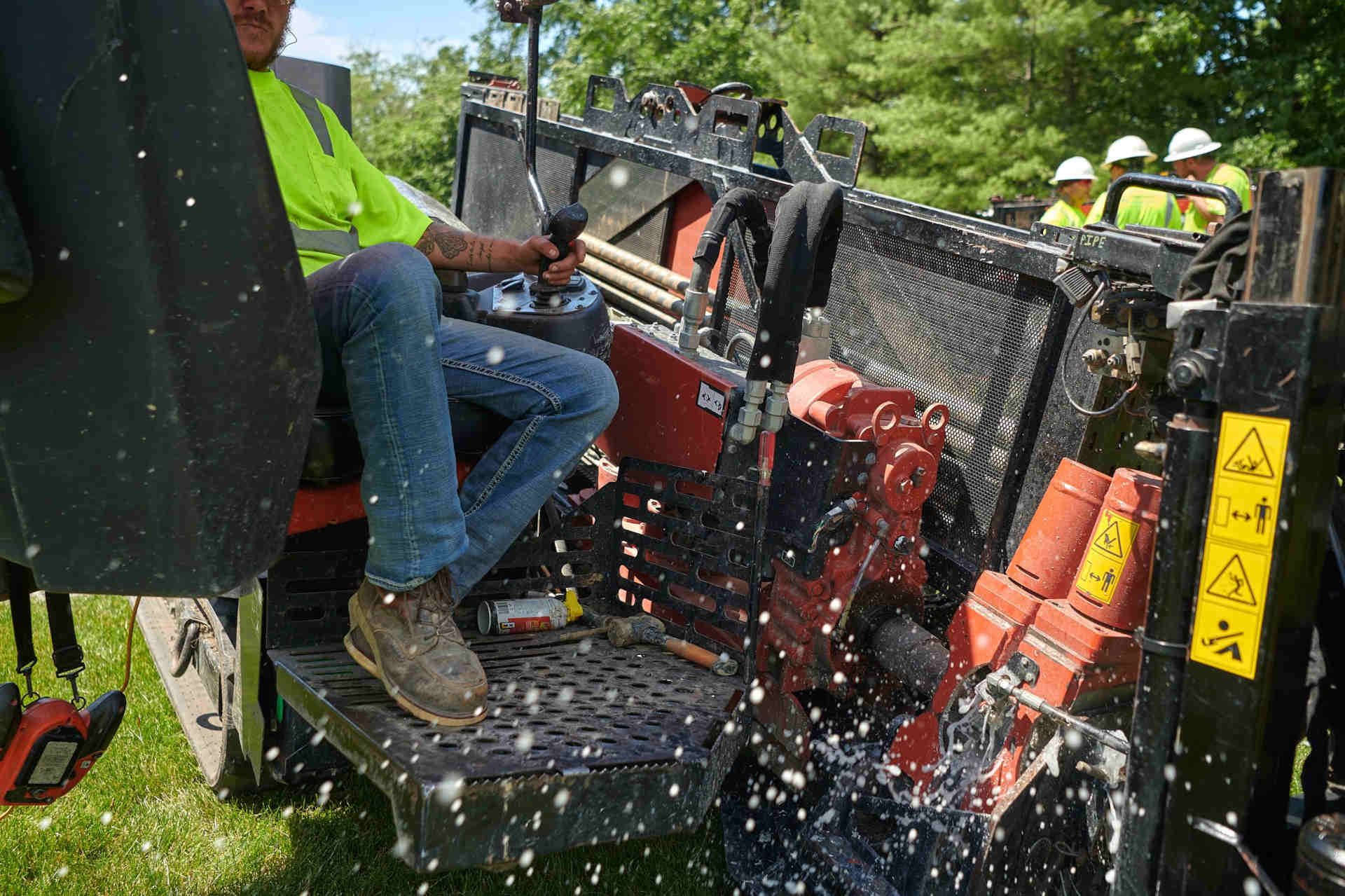
Contractor Hesitancy
Though most, if not all, contractors use telematics in some form these days, Matthesen is hoping by talking about the technology and its benefits encourages them to use telematics to its full potential — for the benefit of their bottom line.
He understands that some contractors are skeptical of what data it is actually capturing and how it may/may not impact the work they do. His best advice is to try it. In the case of Orange Intel, contractors are given a two-year window of free access, allowing them the opportunity to explore the system to see how it works and how it can help them to evaluate potential projects. Using programs such as Orange Intel is an investment in their company and in their future success — and can keep your drills better utilized on the jobsite.
“To make money, drills have to be on the jobsite,” he says. “If the drill isn’t rotating, we’re not making money, the saying goes.”
Sharon M. Bueno is editor of Trenchless Technology.
Latest Posts
- HDD Contractor Faces Tough Rock Drilling Under the Illinois River
- Vortex Companies Expands its UK Footprint
- Sprayable Linings Used in Municipal Sewer Manhole Rehabilitation
- AEM Manufacturing Express Celebrates American Augers Workforce in Ohio

- SprayWall® Restores Pennsylvania Twin Barrel Culverts While Keeping Roadway Open
Next Up
HDD Rodeo | December 2-4, 2026 | Perry, Georgia | Learn more
HDD Academy | February 18-19, 2027 | Scottsdale, Arizona | Learn more
Microtunneling Short Course | May 4-6, 2027 | Scottsdale, Arizona | Learn more
Water Finance Conference | August 3-4, 2027 | Cleveland, Ohio | Learn more