Large Diameter Watermain Condition Assessment for Toronto
Multi-Year Project Slated for Completion in 2027
The broad objective of the project is to study, collect and evaluate information on mains 600mm or larger. The data acquired throughout each of these steps is to be assembled in a comprehensive report.
The City will be able to use this report as a reference when evaluating the short, medium and long-term goals for watermains within similar design criteria.
Eight pipes totalling 8.2 km of pipe were selected as initial candidates for the project across the Greater Toronto Area. The watermains range from 600-mm to 2,100-mm with the following materials: Cast Iron, PCCP pipe and Concrete Encased Steel Pipe. Some of these pipes date back to the early 1900s, earliest being 1905.
The tasks include a historical review of each of the pipe materials, installation and documentation (break data, etc), chamber inspections and valve assessment, pipe wall measurements, leak detection, borehole analysis and internal CCTV inspection. Once the data is collected and reviewed, a structural analysis and estimate of the remaining useful life can be developed. This includes expected performance, economics of repair events, replacement costs and inspection costs. As a result, it will give guidance on the scheduling of future inspection cycles.
To date, GAME has completed the following tasks: 84 preliminary chamber identifications, 50 detailed chamber inspections, 6,977 m of leak detection, 3,488.4 m of internal CCTV inspection, 17 soil boreholes, 3,112.6 m of (ePulse+/acoustic) pipe wall thickness assessment, two ultrasonic thickness verifications, and two sets of concrete sample testing.
Metro Main Assessment Findings
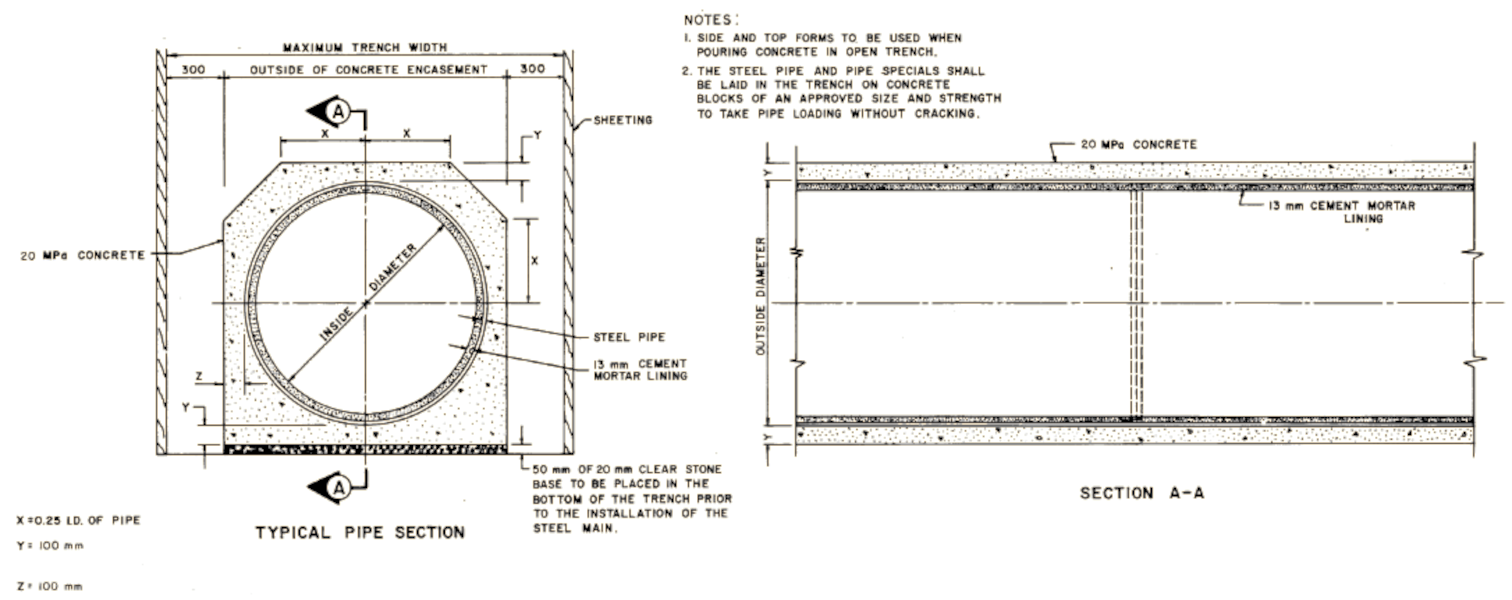
The first segment of watermain on this project that was assessed, is a 1,200-mm composite pipe consisting of a concrete encased steel cylinder commonly referred to Metro Main. This segment has been fully assessed with the available technologies over approximately 1,500 m.
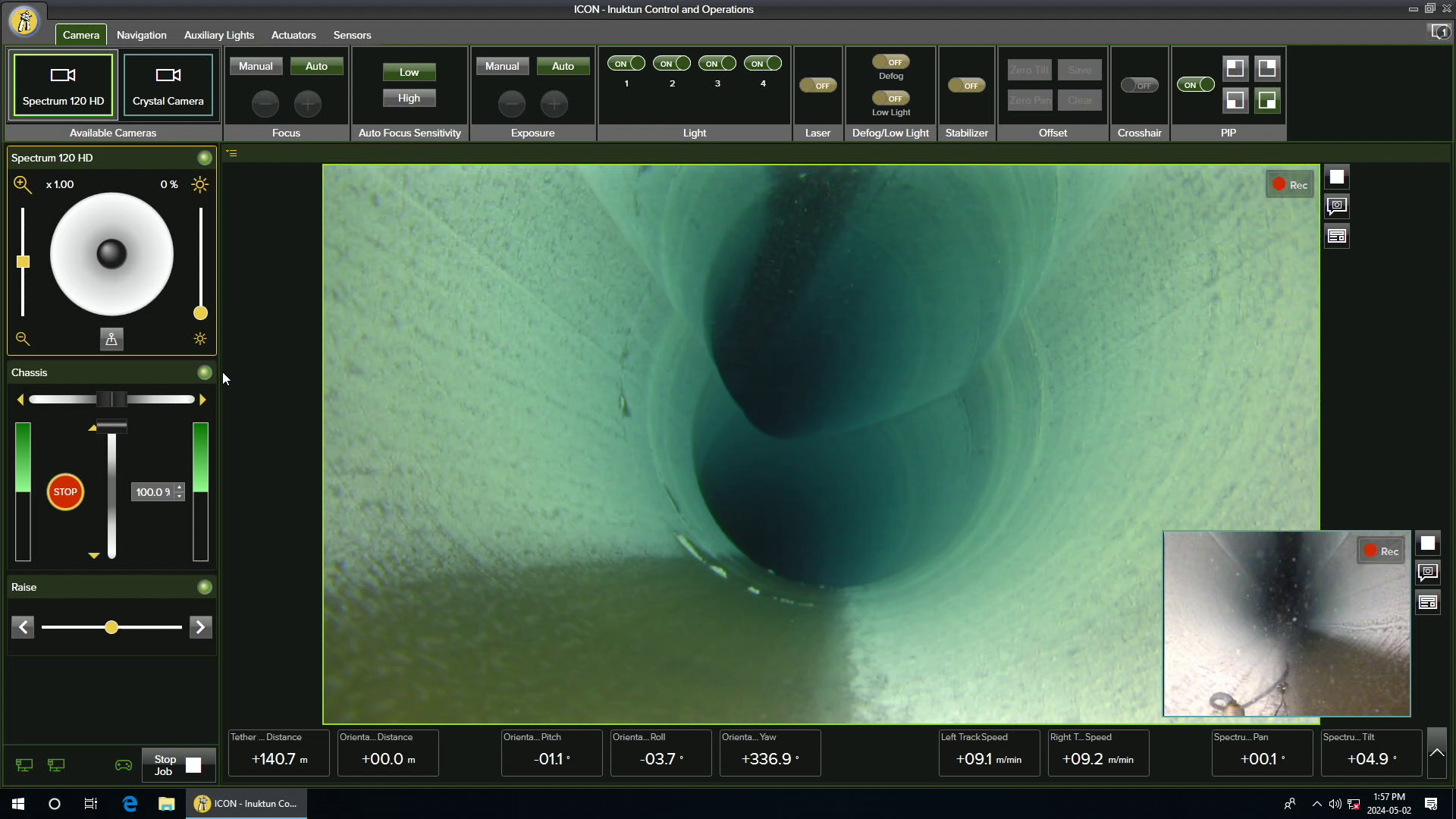
The CCTV survey allowed us to visually assess the condition of the watermain. In this instance a previous intervention was documented and the remaining length of pipe inspected was in very good condition. The ultrasonic thickness verification on this segment of watermain confirmed that the steel thickness falls within the expected designed measurements. The concrete core cylinders confirmed the progression of the chloride ion particles and, comparatively, identified the impact of an in-road presence vs an off-road installation. No leaks were detected along the stretch of pipe which was surveyed.
The second segment of pipe that has been assessed in the project is also a 1,200-mm watermain. In this case, the watermain is an AWWA C301 class concrete pressure pipe over approximately 2,000 m.
The CCTV survey confirmed that the watermain was clear of major debris and in good condition visually. In the visual inspection, the watermain had a mortar coating at each joint. Over time, the principal finding is that some of these coatings had very minor circumferential cracks. These cracks likely occurred in the first years following the installation. Moreover, they have no relevant impact on the overall condition of the watermain.
PCCP Performance and Cast Iron Investigation
No leaks were detected along this stretch of watermain that was surveyed. A sound signatured appeared and after investigation, it was determined that an appurtenance (ball valve) required a repair.
The third segments of watermains that GAME is in the process of assessing are 900-mm cast iron watermains that have been in service for over a century. These two watermains mains run (near) parallel between the High-Level Pumping Station and the Rosehill Reservoir. The majority of these two watermains were installed from 1905 to the 1930s.
So far on these two segments of pipe, only the leak detection and average pipe wall thickness field data has been collected over a total length of 3,200 m. There have been no leaks detected on either segment of pipe. For these two segments of pipes a detailed acoustic pipe wall measurement approach was used (ePulse Detailed).
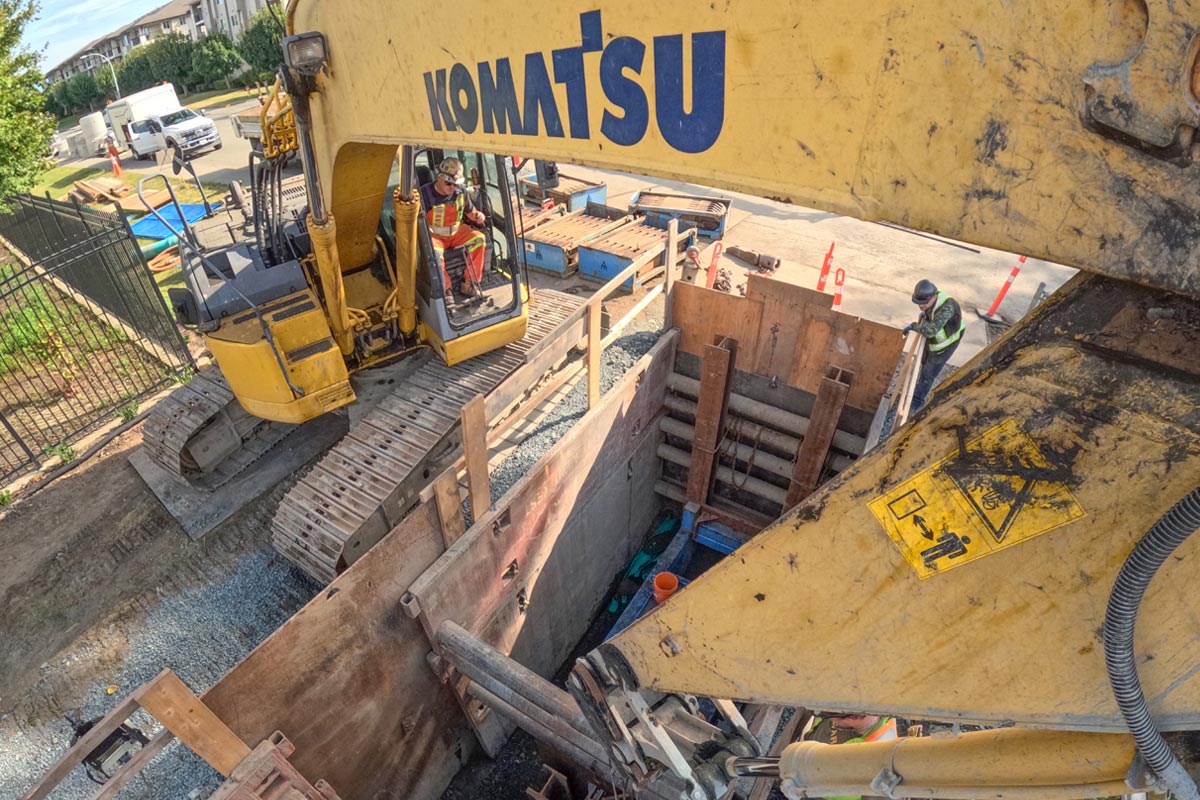
The CCTV inspection of these two segments will be completed in 2026 and will require an excavation to access the watermain. In the first two segments of pipe (Metromain and PCCP), the presence of access hatches on the top of the watermain allowed easier access to the pipe.
These mains offer very few access points directly on the main. Only seven chambers exist along the two mains. The only way to access the watermains for internal CCTV data collection is by removing a section of pipe. Locations with minimum impact social impact have already been selected.
Remaining Pipe Segments and Technologies
The goal is to perform the work and inspections this upcoming spring and summer/fall. The high numbers of changes in direction will likely limit the inspections. However, since these pipes are already lined up for rehabilitation, any collected information, including testing of the removed pipe segment, will be critical to the decision process and timeline for the upgrade.
The remaining pipe segments are all 600-mm cast-iron having an approximate length of 7.2 km.
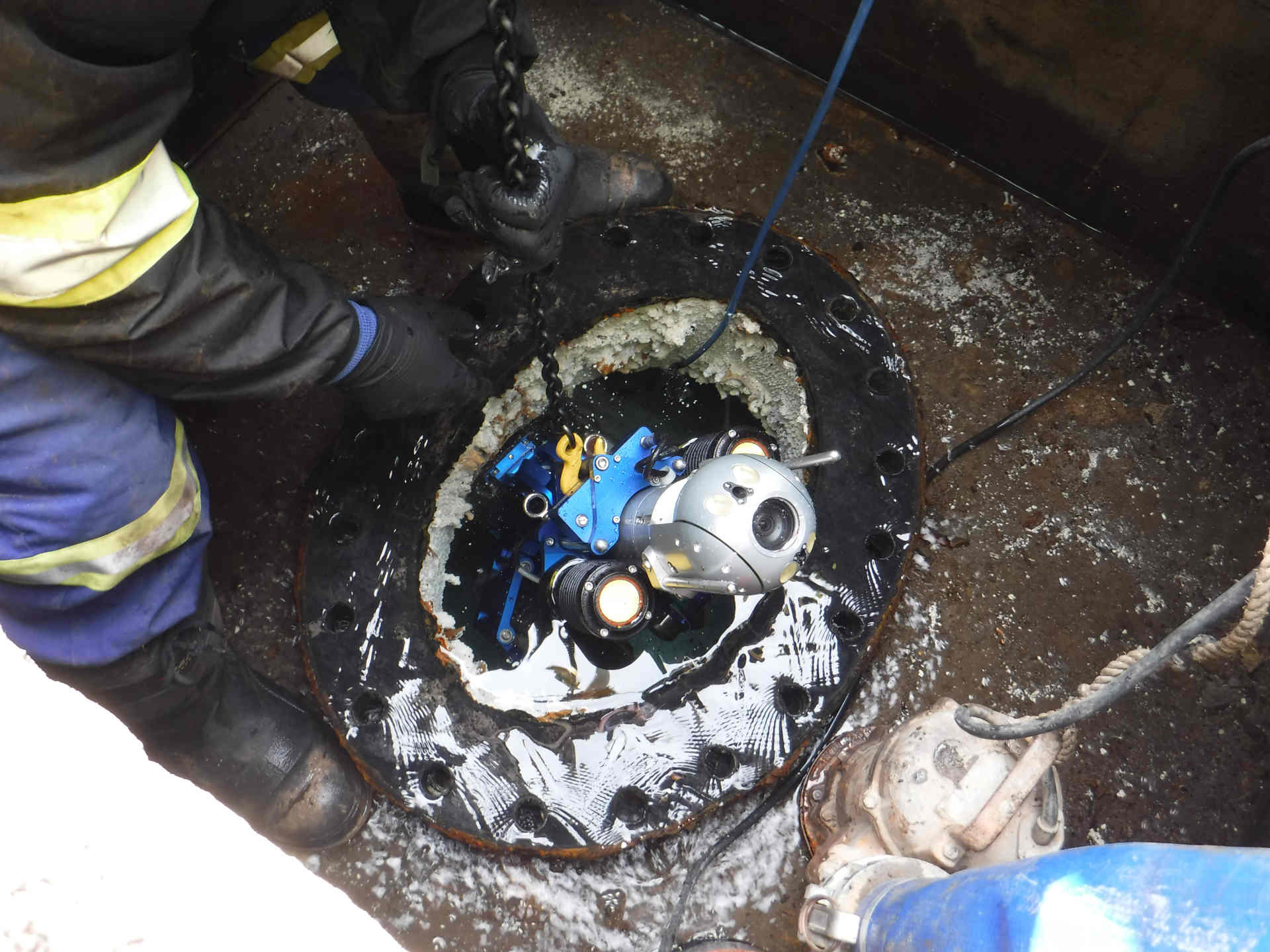
The GAME ROV is a custom designed variant of the VT150 developed specifically for large diameter watermain surveys. It is tethered to a 1.2-km fibre optic cable and is capable of collecting full HD video in both dry and fully submerged conditions.
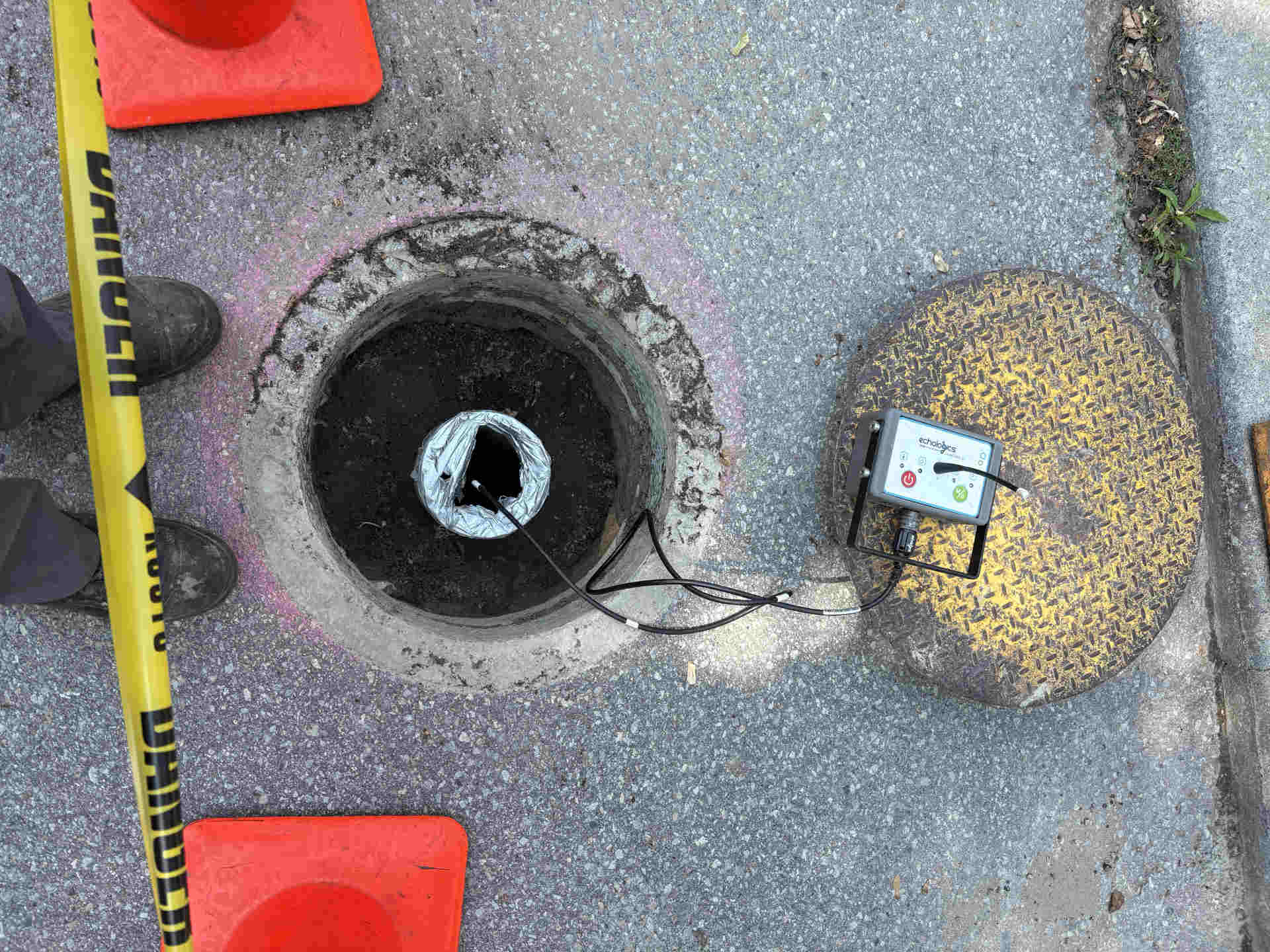
The ePulse Detailed condition assessment technology from Echologics is used to determine the current hoop thickness across individual segments. It is also simultaneously capable of performing a leak detection between the sensors.
GAME will be using the same approach as used on the 900-mm cast iron watermain; leak detection, average pipe wall thickness, boreholes and CCTV inspection. Factors like production year, installation techniques, site conditions, and locations will each have varying impacts on the overall condition of the pipes.
Piero Salvo, P. Eng. M. Eng. is president of GAME Trenchless Consultants. David Gosselin, ing. is engineering project manager for GAME Trenchless Consultants.
Latest Posts
- PG&E Files 10-Year Electrical Undergrounding Plan

- HDD Contractor Faces Tough Rock Drilling Under the Illinois River
- Vortex Companies Expands its UK Footprint

- Sprayable Linings Used in Municipal Sewer Manhole Rehabilitation
- AEM Manufacturing Express Celebrates American Augers Workforce in Ohio

Next Up
HDD Rodeo | December 2-4, 2026 | Perry, Georgia | Learn more
HDD Academy | February 18-19, 2027 | Scottsdale, Arizona | Learn more
Microtunneling Short Course | May 4-6, 2027 | Scottsdale, Arizona | Learn more
Water Finance Conference | August 3-4, 2027 | Cleveland, Ohio | Learn more