Reducing Risk in HDD Tooling Selection
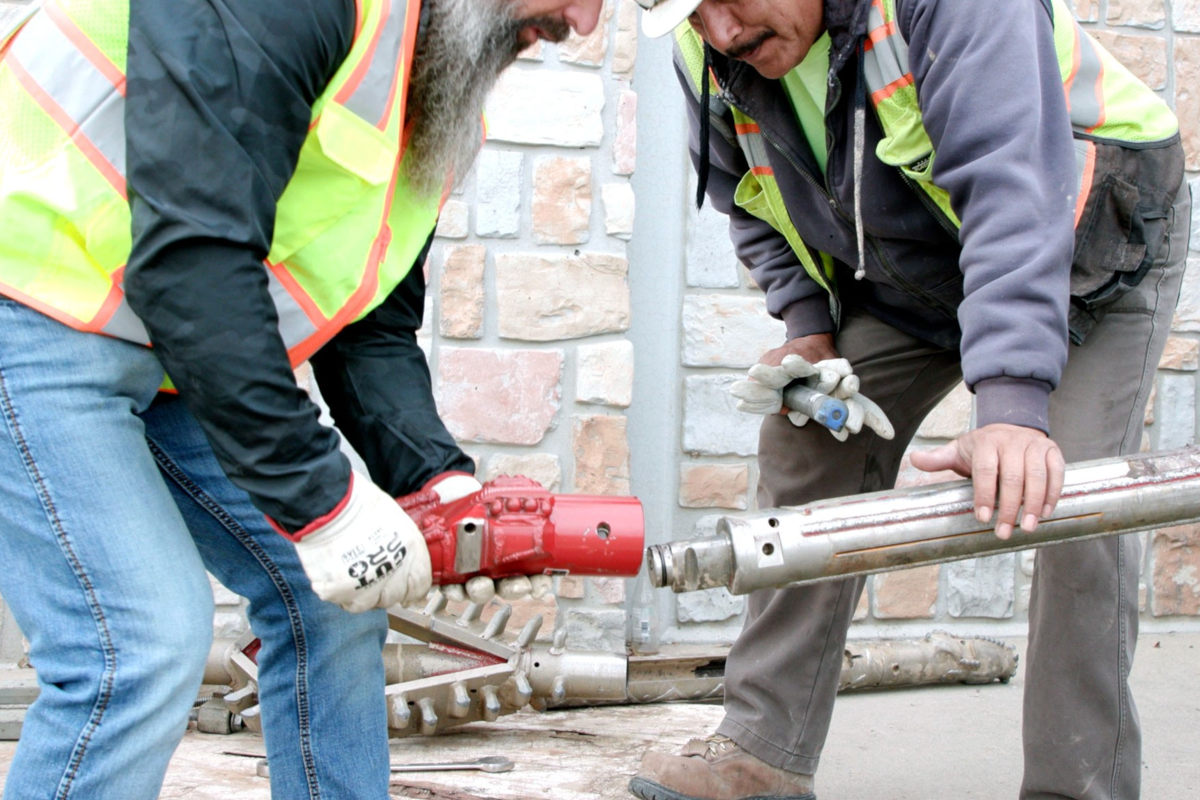
In horizontal directional drilling (HDD), success is often measured by what doesn’t happen — no stretched pipe, no trip-outs, no unexpected downtime. While equipment and crew experience play a major role, one of the most overlooked factors in a successful bore is HDD tooling selection.
Too often, tooling is chosen based on habit or what worked for the last job. But ground conditions change, jobsite constraints vary, and small mismatches between tool and jobsite application can create outsized problems.
The most effective HDD crews make the right tooling decisions at the right moments. Those decisions fall into three critical phases: the pilot shot, reaming and product pullback.
1 – The Pilot Shot: Setting the Entire Bore in Motion
The pilot bore establishes the bore path once it has been pre-mapped, and every decision made at this stage carries through the rest of the job. Choosing the right pilot bit — whether a paddle-style blade, hard ground bit, or a more aggressive cutting tool such as a mud motor — comes down to matching the tool to the ground and the level of steering control required. In softer soils, a standard directional blade may provide enough cutting efficiency and guidance. But as conditions shift into mixed ground or cobble, a more robust, controlled-cutting design becomes necessary to maintain stability and resist deflection. Bits designed with a more balanced cutting face and improved tracking can maintain a consistent bore path without overcorrecting.
When the pilot tooling doesn’t match the conditions, issues start early and tend to compound. Inconsistent cutting leads to deviation, which forces corrections that increase time, fluid usage, and wear on the system. In tougher formations, inadequate tooling can result in a loss of steering control altogether, leaving a bore path that becomes difficult, or, in some cases, impossible, to recover later.
There’s a common assumption that reaming will smooth out these problems, but in practice, it usually does the opposite. Reaming does widen the bore, but it also tends to follow and amplify the original path the pilot bore created. This makes early tooling decisions far more critical than they might initially seem.
2 – Backreaming: Where Risk & Cost Can Escalate
If the pilot shot sets the direction, reaming determines whether the bore is viable. This phase introduces the highest strain on your rig and tooling, and the greatest potential for costly failure.
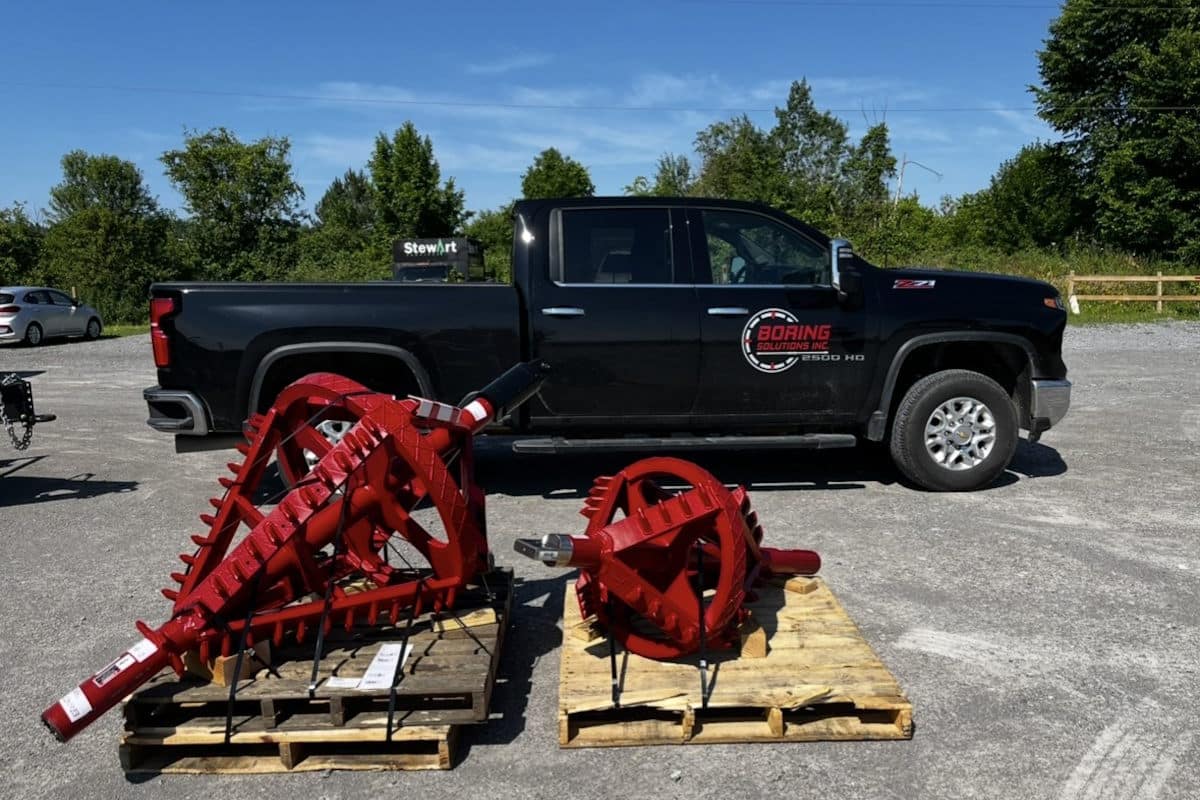
Tool selection during reaming must account for soil type, bore diameter, and how you step up your hole size in stages. Fly cutters, barrel reamers, fluted reamers, and rock reamers each serve different purposes, and choosing between them is less about preference and more about matching the tool to what the ground is actually doing.
In soft, cohesive soils, improper reamer selection can lead to overcutting and bore instability. In harder or mixed formations, under-aggressive tooling can cause excessive torque, slow progress, and increased wear on both tooling and rig components. The consequences of a mismatch during reaming are rarely subtle. Torque spikes, fluid inefficiency, and poor cut evacuation can quickly escalate into stuck tooling or collapsed bore sections. At this stage, recovery efforts are time-consuming and expensive, often requiring additional equipment or even abandonment of the bore.
Good reaming isn’t only about cutting as fast as possible — it’s about keeping things moving quickly, but also without overloading your rig or tearing up the hole. The right tool removes material efficiently while preserving bore integrity and managing system load.
3 – Product Pullback: Where Mistakes Become Visible
By the time the bore reaches the pullback phase, most of the critical drilling decisions have already been made. However, this is where any earlier missteps tend to surface.
Tooling selection here focuses on ensuring a secure, aligned, and properly rated connection between the product and the drill string. This includes pulling eyes, swivels, and any required adapters. Swivels play a particularly important role by isolating rotation from the product being installed. Proper load rating is essential — especially as bore lengths increase or product weight becomes significant.
When tooling is undersized or improperly matched, failures can occur under load. These failures are often catastrophic, resulting in damaged products, lost materials, and significant project delays. Even when nothing outright fails, problems show up when your drill string, swivel, and product aren’t pulling in a straight line. That misalignment puts side load on the connection instead of a clean pull, which can lead to stretched pipe, damaged product, or connections wearing out faster than they should. Unlike earlier phases, pullback failures are highly visible. They are also the most difficult to recover from.
Hidden Multipliers: Where Efficiency Is Gained — or Lost
Beyond the phases mentioned, there are additional tooling decisions that act as force multipliers — either improving efficiency across the job… or quietly siphoning it off.
System Connections
Connection systems are often treated as a compatibility requirement rather than a performance factor. However, the type of connection used between tooling components can significantly impact jobsite efficiency.
Traditional threaded connections are reliable and appropriate for certain applications. They also require time, space, and physical effort to assemble and break out. In tight pits or urban environments, this process can become a bottleneck — especially during multi-stage operations with frequent tooling changes.
Connection systems that simplify or accelerate tool changes can reduce downtime, minimize crew fatigue, and improve overall job pacing. While these gains may seem incremental, they compound across the duration of a project.
Puller Connections and Multi-Duct Opportunities
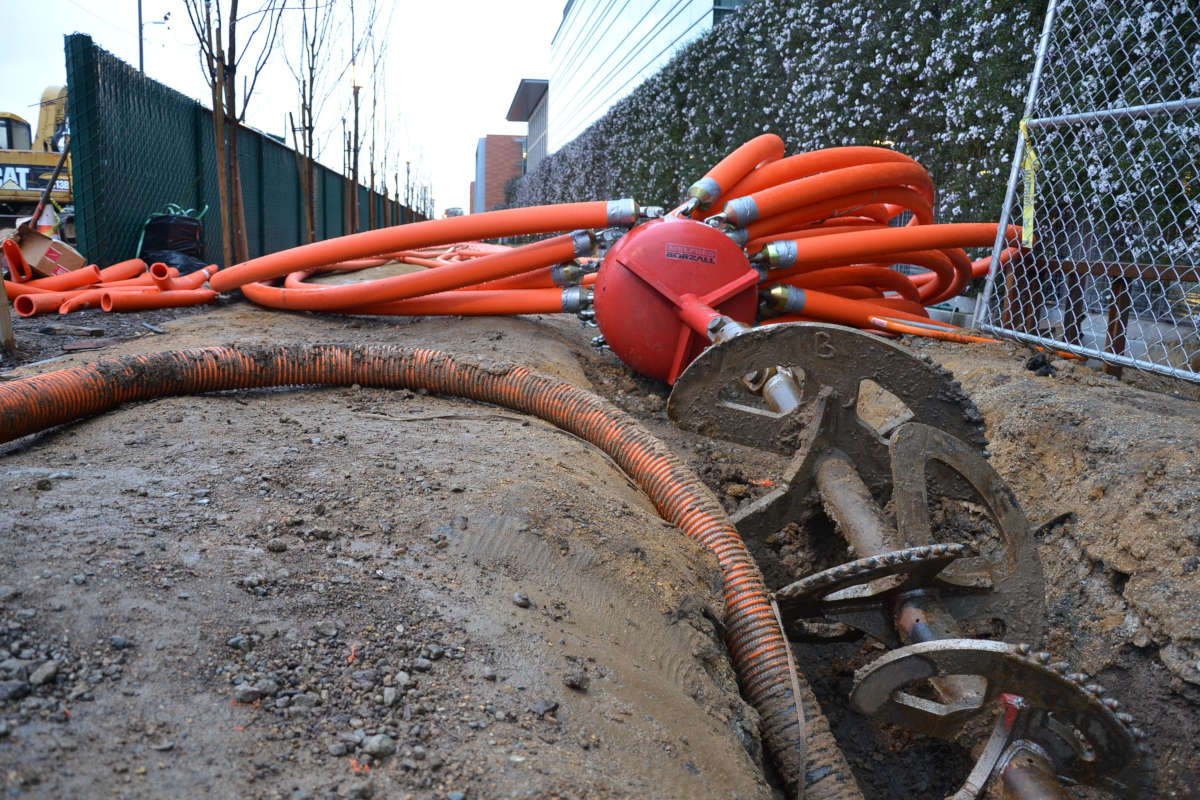
As fiber and utility installations continue to increase, the underground “real estate” for marked utility becomes scarcer. Installing multi-duct bundles is becoming more popular.
Although it adds complexity to traditional slings, mesh grips, or multi-leg pullers, it has also opened the door to greater efficiency gains with purpose-built pullers designed for bundled configurations, which can provide a more controlled, consistent connection than improvised setups.
When pullback systems are not designed for the specific configuration being installed, crews often compensate in the field. These duct-tape workarounds may function in the short term but introduce variability and increase the risk of ultimately damaging the pipe, which means starting over with considerable cost implications.
The Right Tool Depends on When & Where You’re Using It
There’s no perfect, universal tool — only the right one for the ground you’re working in.
The difference between a smooth bore and a problem job usually isn’t luck. It’s the decisions made before the tooling ever hits the ground and how those decisions hold up through each phase of the job.
Most failures don’t come from one big mistake. They come from small mismatches that stack up, until something gives. The crews that avoid that don’t overcomplicate it. They just make the right match early — and adjust as needed.
Joshua Parker is head of marketing at Melfred Borzall.
Latest Posts
- PG&E Files 10-Year Electrical Undergrounding Plan

- HDD Contractor Faces Tough Rock Drilling Under the Illinois River
- Vortex Companies Expands its UK Footprint

- Sprayable Linings Used in Municipal Sewer Manhole Rehabilitation
- AEM Manufacturing Express Celebrates American Augers Workforce in Ohio
Next Up
HDD Rodeo | December 2-4, 2026 | Perry, Georgia | Learn more
HDD Academy | February 18-19, 2027 | Scottsdale, Arizona | Learn more
Microtunneling Short Course | May 4-6, 2027 | Scottsdale, Arizona | Learn more
Water Finance Conference | August 3-4, 2027 | Cleveland, Ohio | Learn more