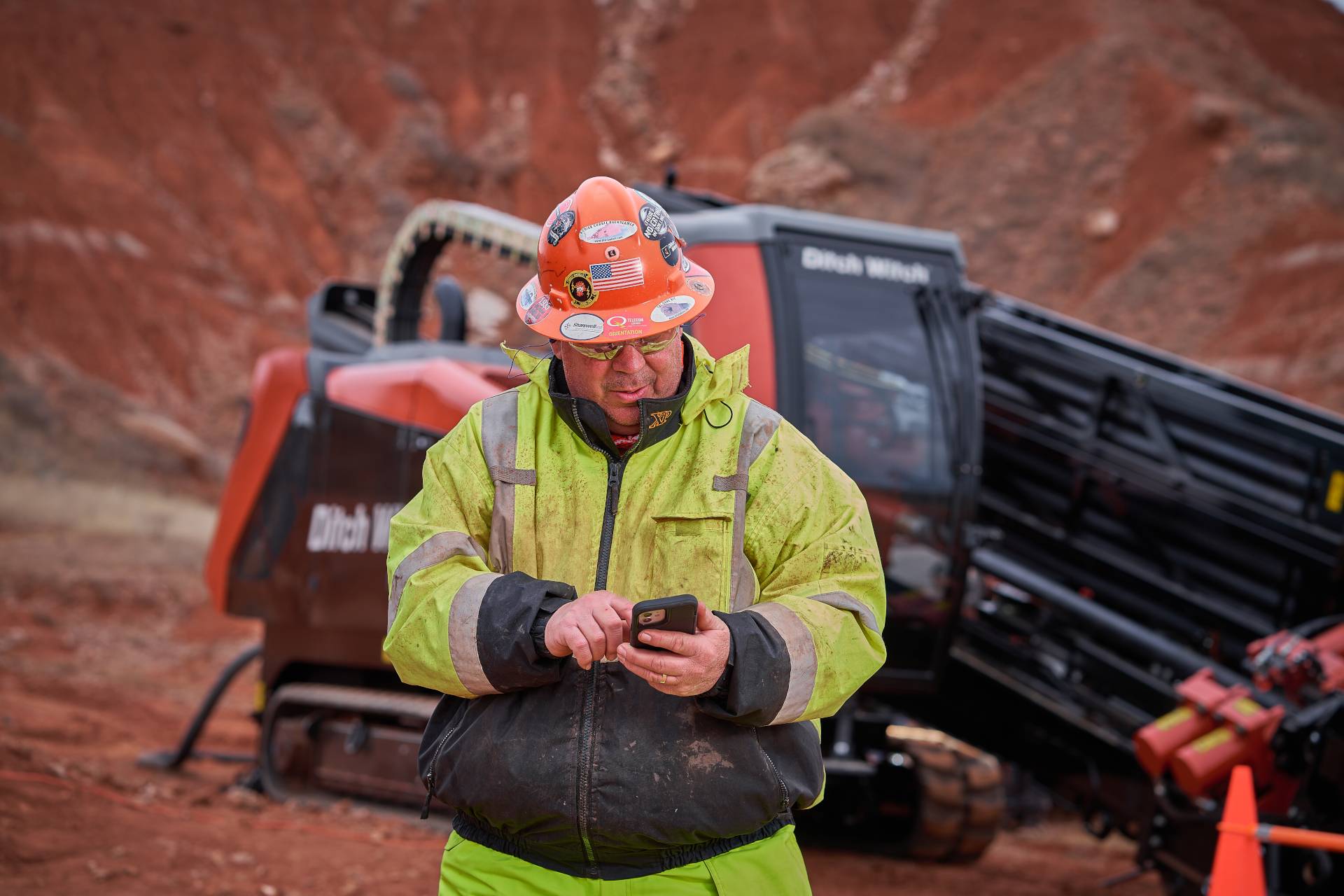
Data-Driven Horizontal Directional Drilling: The Power of Telematics
Telematics. Is it just another industry buzzword, or has it become an essential part of today’s HDD projects? Is it simply the latest construction software trend, or a tool that will shape the future of drilling operations?
The reality is that telematics has been part of the HDD landscape for more than two decades, evolving alongside advances in software and computer technology. While the term “telematics” may not have entered the industry’s vocabulary until years later, the technology has been quietly transforming how contractors manage equipment and projects.
At its core, telematics helps contractors improve fleet management and jobsite efficiency. But today’s systems go far beyond tracking machines and monitoring performance. They provide real-time insights into equipment operation, productivity, fuel usage, machine health, and project conditions.
That information doesn’t just help contractors make better decisions on their current job, it also becomes valuable intelligence for the next one. By analyzing data from previous projects, including parameters to determine soil conditions, machine performance and production rates, contractors can develop more accurate bids and better plan future work.
“The basic definition is that telematics is the gathering and communication of data to some type of portal or interface that then shares machine equipment data back that can be interpreted and used in so many different ways to show owners and operators what is going on with that particular machine,” says Chapman Hancock, manager of product management at Ditch Witch — as well as their guru when it comes to all things telematics for its equipment lineup.
“Telematics has evolved from just a fleet management tool to a jobsite productivity tool,” he says. “It allows them to manage their fleet strategically plan downtime for service, become more efficient on their jobs and understand how their machines are operating at any given time.”
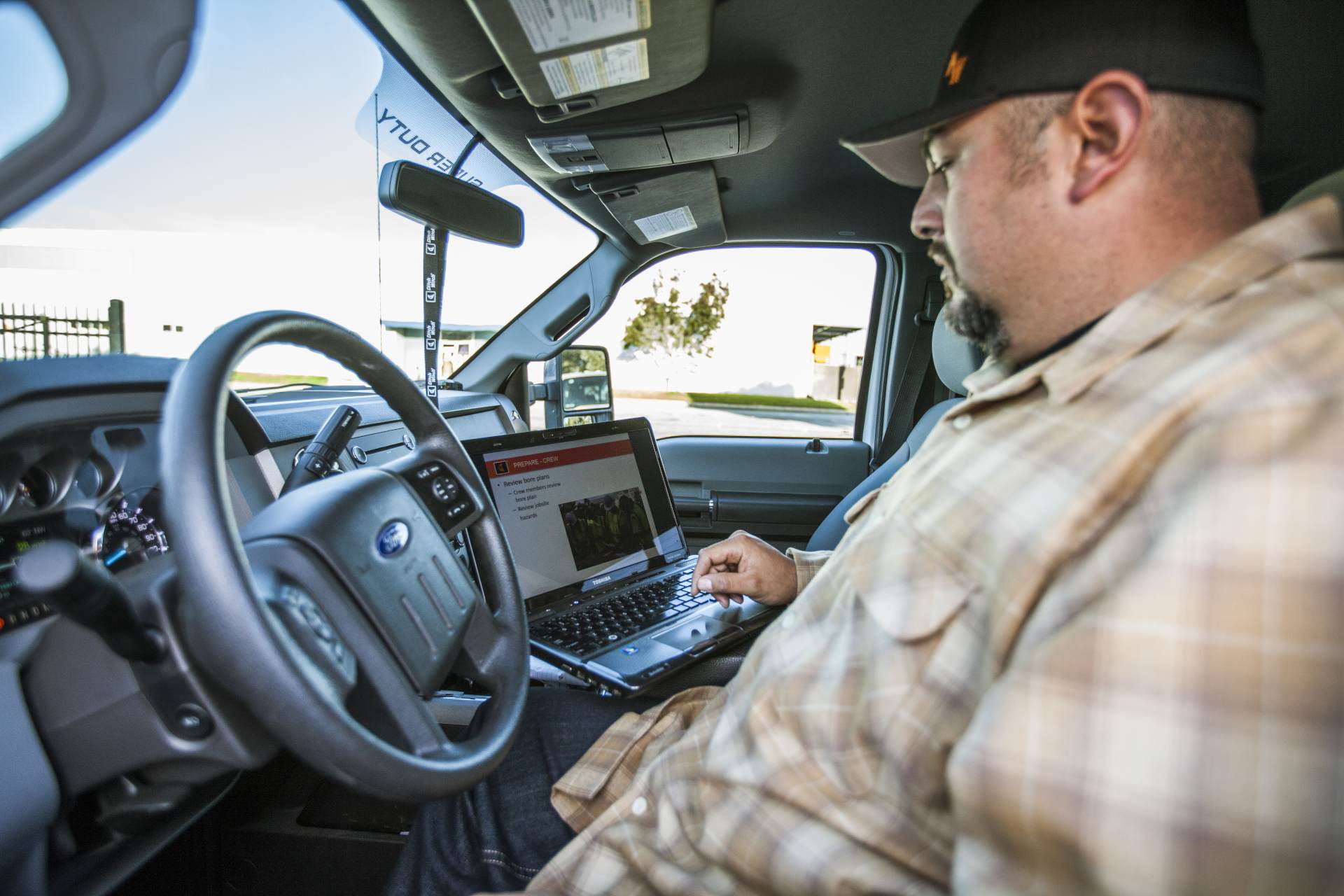
Telematics and HDD
For HDD what does that mean?
Hancock explains that armed with the data and analysis provided by the telematic portal, contractors can plan scheduled downtime for preventative maintenance, map out a project plan when drilling in a familiar area, select the proper tooling to manage those projects and even incorporate the information into a bid for a potential project. All these areas and more, will make their jobs more efficient and potentially more profitable.
“Telematics for [HDD] drills helps to keep the drills running but more importantly, the data that is gathered on every job becomes more data points for how you can become more efficient and, ultimately, bid stronger on the next project,” Hancock says.
He points to how the data can help contractors prepare a more accurate bid for a project, taking information collected from past work in similar geography, citing how much mud was used, bore length, drill rods spent, and tools needed. The data can also speed up unexpected onsite equipment repairs by checking the telematics portal for machine diagnostic codes in real time vs. having to wait for a person to physically come and check and then go back for the needed part.
Though the term telematics may sound new, the actual practice of using sensors to gather machine information for machines such as drills, excavators and skid steers, started in the 1990s, gaining momentum in the 2000s. The technology kept track of engine hours, idle time, etc. — pretty basic stuff.
For the HDD sector, using telematic technology started to take hold in the teens, with it being tailored more for the drills vs general construction equipment.
Orange Intel’s Role
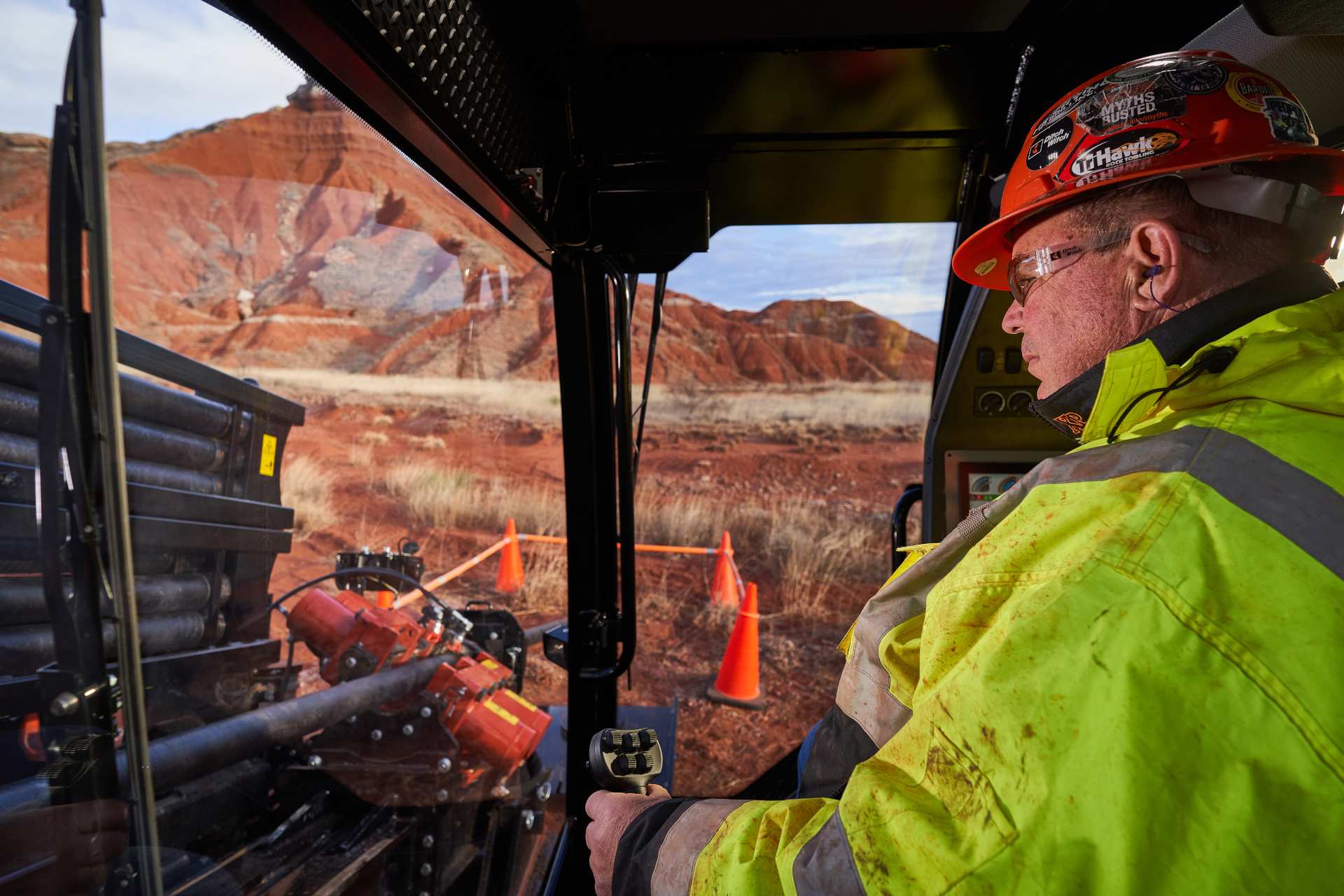
Ditch Witch launched its telematic technology called Orange Intel nearly nine years ago in a basic form, gathering general machine information. Earlier this year, Ditch Witch unveiled its overhaul of Orange Intel, giving it a massive facelift based on countless conversations with its dealer network and customers on what works, what’s important and what is simply not needed for the technology. Ditch Witch took all this research back to the design room.
The overhaul resulted in a brand-new look which provides more than 150 data points for information collection. 2026 Orange Intel goes deep into the workings of the machine, capturing information on torque, thrust, outer pipe rotation, inner rod rotation, jobsite conditions, mud flow and usage, fuel consumption, among so many others. Preventative maintenance can be scheduled at different intervals such 100 hours or 500 hours, as well as a slew of other fleet management options.
“In simplest terms, Orange Intel has evolved from a fleet management tool to a productivity too,” Hancock says. “[The technology] has truly become something that our owner/operators and fleet managers are using every single day to understand the condition of their equipment, where it is at with the job it’s on and helping to plan the next job.”
From a machine standpoint, the sensors collect information from the data points and correlate and interpret what the information means for that machine or machines in the fleet. The end user then takes that information to make critical decisions for the machine and jobs they are working on.
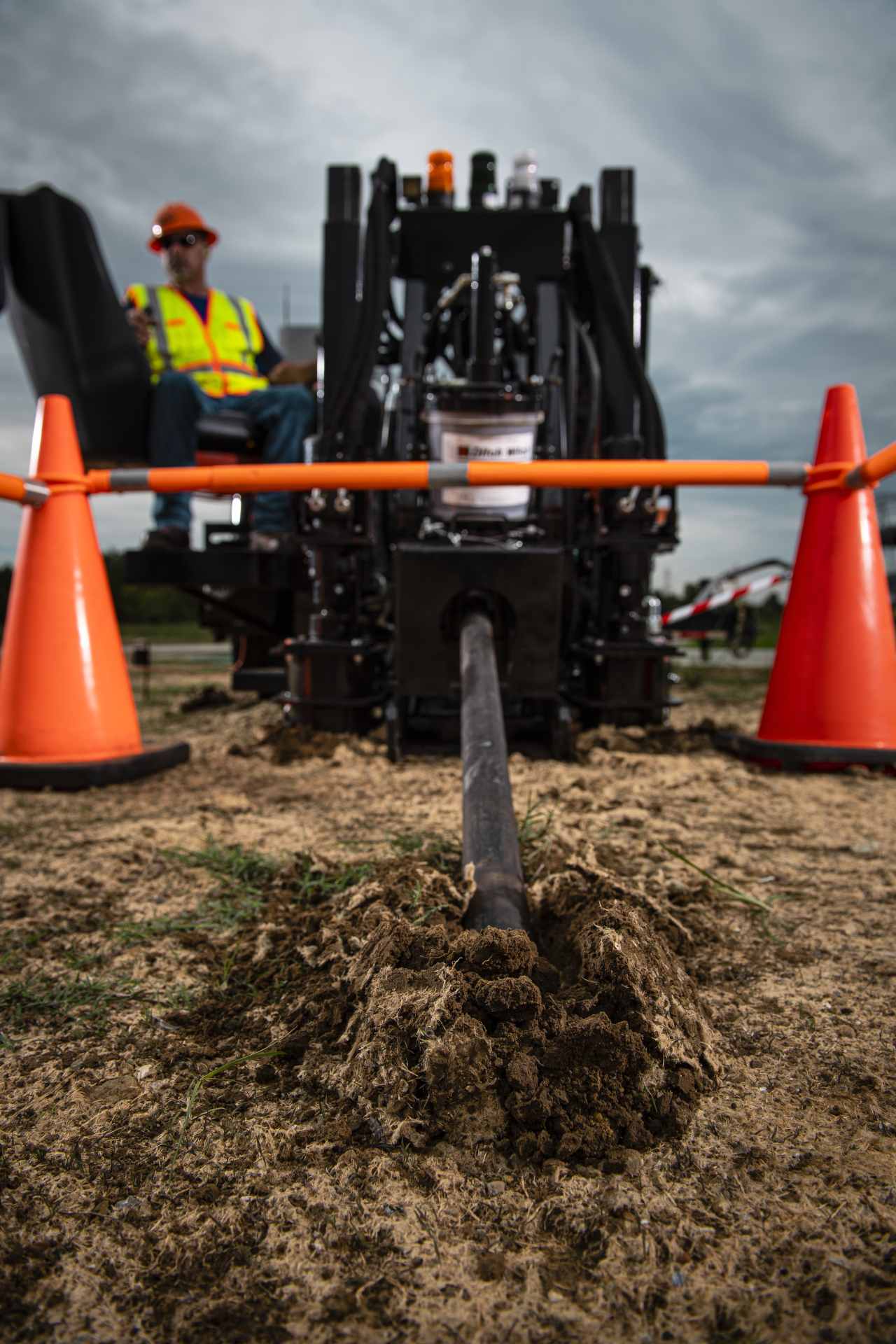
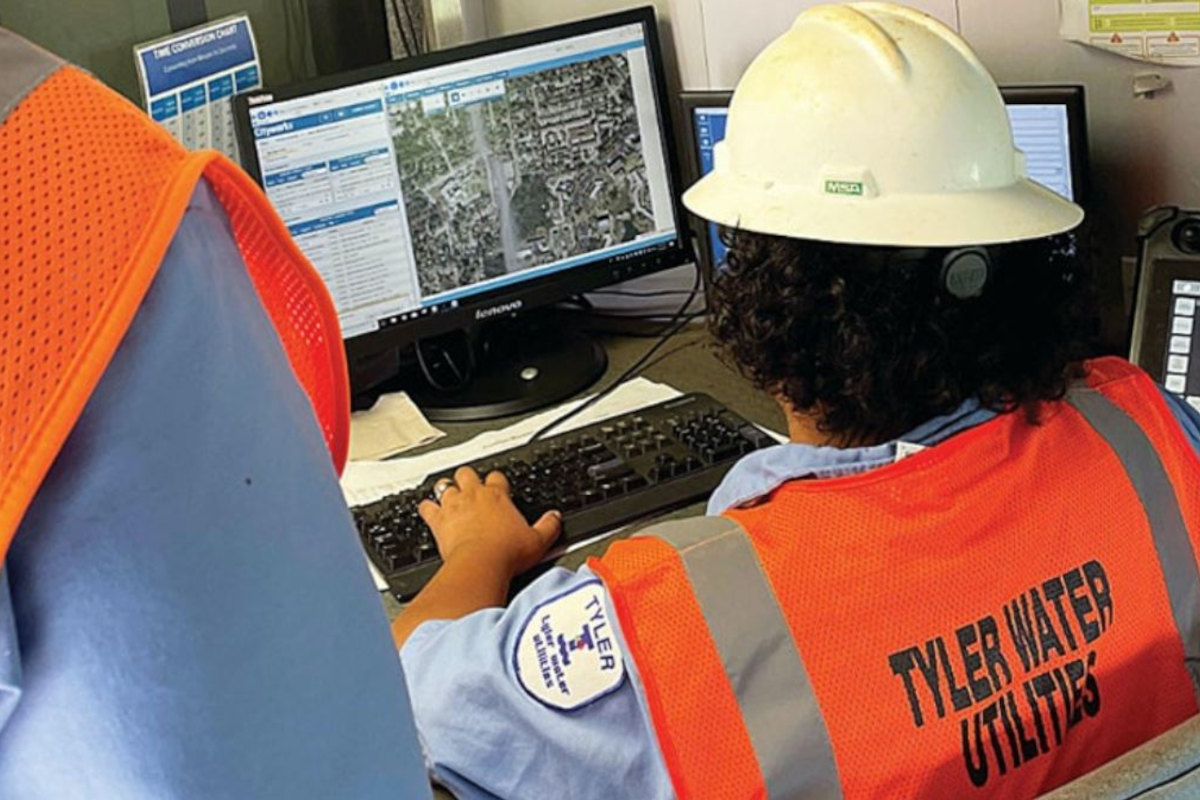
From the customer standpoint, Orange Intel delivers a virtual checklist of what is happening with the drill. Owners/operators can log into to their Orange Intel account to select which data points they want monitored, customizing their dashboard.
“Customers are really starting to understand what telematics truly mean for their business, their fleet and their bottom line,” Hancock says. “This is a productivity and profitability tool.”
Advanced technology can be intimidating, causing undo skepticism from potential users, particularly those of a certain older demographic. Hancock says early on that may have been true but with technology all around us in our everyday life, contractors are looking for similar ways to simplify and fortify their businesses.
“Technology is everywhere. You can’t get away from it,” he says. “Customers have come to expect that same capability with their drills, which has led to a rapid adoption of telematics over the years.”
Does the added cost of advanced technology subscriptions, such as Orange Intel, hold back potential customers? Hancock doesn’t believe that to be true, noting that using programs such as Ditch Witch’s, is an investment in their company and in their future success.
“Customers are looking for ways to become more efficient to maintain their profitability. Telematics is a great tool to understand how you can become more productive, more accurate in your bids and more profitable on every job,” Hancock says.
Sharon M. Bueno is editor of Trenchless Technology.
For more information on Orange Intel, visit ditchwitch.com.
Latest Posts
- PG&E Files 10-Year Electrical Undergrounding Plan

- HDD Contractor Faces Tough Rock Drilling Under the Illinois River
- Vortex Companies Expands its UK Footprint
- Sprayable Linings Used in Municipal Sewer Manhole Rehabilitation
- AEM Manufacturing Express Celebrates American Augers Workforce in Ohio

Next Up
HDD Rodeo | December 2-4, 2026 | Perry, Georgia | Learn more
HDD Academy | February 18-19, 2027 | Scottsdale, Arizona | Learn more
Microtunneling Short Course | May 4-6, 2027 | Scottsdale, Arizona | Learn more
Water Finance Conference | August 3-4, 2027 | Cleveland, Ohio | Learn more