
Municipal Trendsetters Making Their Mark with Trenchless Technologies
Since 1992, Trenchless Technology has told hundreds of stories highlighting municipal trendsetters. These North American cities use trenchless methods to strengthen their underground infrastructure while minimizing disruption to essential community services.
Some cities consistently draw attention for their trenchless work. Others have steadily integrated these technologies into their systems with little fanfare or recognition.
We wanted to change that.
This section puts the spotlight on five municipal trendsetters. System owners that have embraced trenchless technology at various points over the past 30-plus years.
Say hello to these Municipal Trendsetters. Click the link to jump to each section:
- Columbus, Ohio
- Newark, New Jersey
- Newport Beach, California
- Seattle, Washington
- Winnipeg, Manitoba, Canada
Municipal Trendsetters highlights sewer and water system owners. We focus on the scale of their infrastructure and how they incorporate trenchless technologies into their operations.
These cities face similar challenges such as financing this needed work, as well as workforce limitations to do the work. These cities may not always make headlines. But, they are doing impactful, forward-thinking work. This includes upgrades, repairs and general maintenance of their water and wastewater systems. They deserve the opportunity to share those stories, experiences and perspectives.
Columbus, Ohio

The City of Columbus moves a lot of sewerage. It is the most populated city in the state of Ohio. It’s also the second most populous in the Midwest – behind Chicago. The city is no stranger to trenchless technologies.
Columbus Water & Power manages approximately 6,500 miles of sanitary, storm and combined sewers. The oldest going back to the mid to late 1800s. The city also provides drinking water and wastewater treatment for 28 satellite communities in Central Ohio.
“Columbus has employed trenchless technologies to both rehabilitate existing assets to prolong their service life, and to construct new sewers providing service to developing areas,” says Nick Domenick, P.E., project manager, Sewer Systems Engineering at Columbus Water & Power. “With Columbus being one of the fastest growing cities in the nation, keeping up with capacity demands and the elimination of inflow and infiltration (I&I) pose the greatest challenges to our utility.”
Columbus’ use of trenchless technologies dates back to the 1990s. And Domenick notes that some methods were used earlier than that. On the new installation side, the work is predominately tunneling and microtunneling for new trunk lines. On the mainline rehabilitation side work is done using cured-in-place pipe (CIPP), sliplining and shotcrete. Columbus also deploys CIPP to rehabilitate service laterals in conjunction with mainline rehab.
“The cost, speed and lesser surface disturbance are just a number of the advantages that trenchless technologies provide and that Columbus has sought to leverage over the past few decades,” says Domenick.
Exploring New Trenchless Methods
In addition to these methods, Domenick and others at Columbus Water & Power are looking at employing newer trenchless technologies. Chief among them are spray-applied lining products.
He notes that there has been recent advancement and competition when it comes to SAPL products in recent years. Additionally, the trenchless design community has become more educated about the advantages and disadvantages of each product. Both make a system owner more confident in the use of SAPLs.
“We would seek to leverage these technologies and products to perform a greater amount of our rehabilitation work on a sooner timeline than originally planned,” he says.
Limiting Factors
While being a strong proponent of trenchless technologies, Columbus has met some challenges when it comes to deploying trenchless. And it’s a refrain that many system owners have sung.
“The only limitation that we have experienced is the lack of contractors with the resources to complete projects of the magnitude that we typically release for bid,” Domenick says.
However, on the positive side, one thing that brings contractors to an area – or piques the interest of existing contractors to add trenchless – is the promise of more work. And Domenick doesn’t envision a slowdown in need.
“In addition to the assets within Columbus continuing to reach the end of their service life, the satellite communities in Central Ohio will likely need to invest more heavily in the rehabilitation of their assets to extend their service life and eliminate I&I as well,” he says. “The volume of work needed may also necessitate a greater portion of the rehabilitation work being performed in-house. Lastly, the ability to rehabilitate private service laterals has proven to be very effective at eliminating infiltration, so we are likely to expand our efforts in this area.”
Continued Growth
Looking beyond Columbus and Central Ohio, Domenick doesn’t see the adoption of trenchless technologies slowing down.
“The need for trenchless technologies will remain steady for utilities as we continue to address aging infrastructure,” he says. Adding that the development of artificial intelligence and decision analytics will be key. These systems can help to ensure utilities devote public resources to the right assets, at the right time, and for the right price.
Newark, New Jersey
Newark, New Jersey, has been at the forefront of trenchless adoption since the mid-1990s, integrating this game-changing technology into its water, wastewater, and gas infrastructure programs to maintain and enhance its systems.
Newark’s water and sewer system was developed mainly in the 1800s. There are approximately 600 miles of water pipe, ranging from 6 to 80 in. in diameter. The system is primarily made of riveted steel and cast iron.
The city’s sewer network consists of approximately 410 miles. This includes various materials and shapes with large diameter brick pipes, ranging up to 108 in. in diameter.
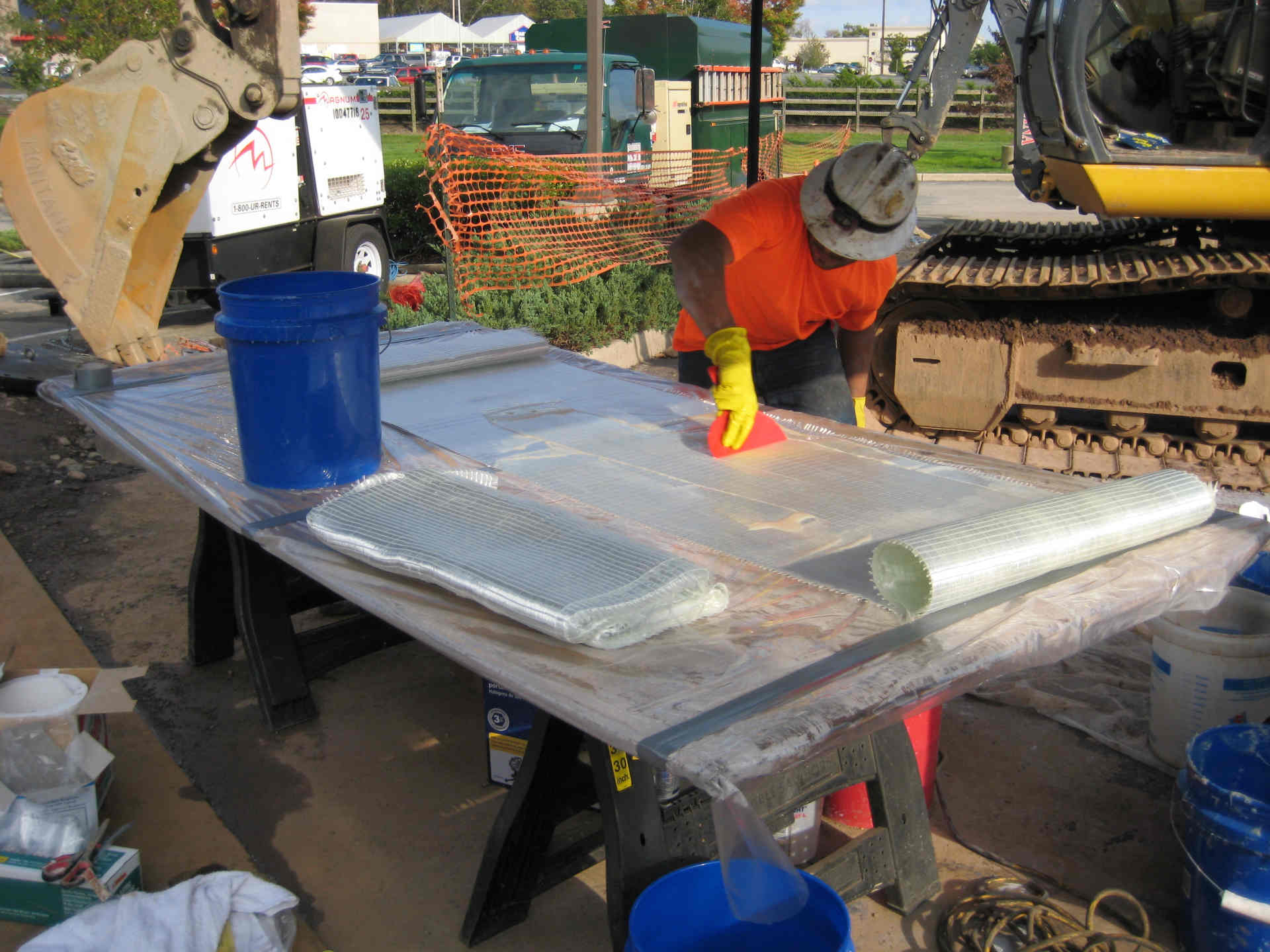
Trenchless technologies and methods are a critical component in the City’s focus to keep its underground infrastructure at a level its residents and customers expect and demand. Among the methods utilized over the years are cured-in-place pipe (CIPP), pipebursting, and carbon fiber/fiber reinforced polymer pipe (FFRP) lining. Jack-and-bore installation was used over the years to relocate conflicting water and gas mains.
Condition Assessment Leads to Lining Work
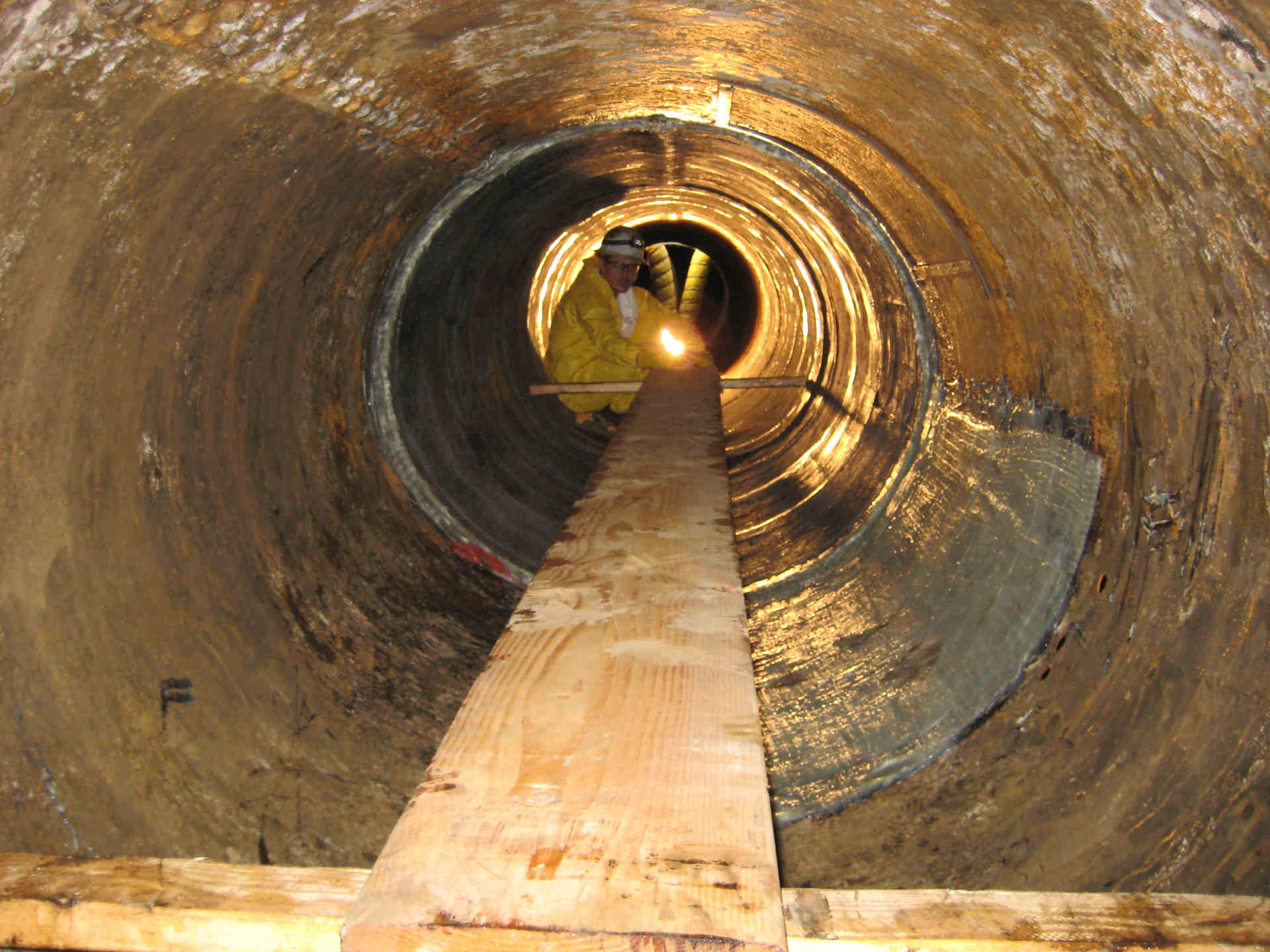
“Between 1994 and 2014, Newark implemented a comprehensive evaluation and internal structural condition assessment of its [68 miles] of large diameter brick sewers citywide over a 20-year period, [as well as] the rehabilitation utilized CIPP structural lining for a majority of the approximately 36 miles of the sections found in the most critical condition,” says John T. George, P.E., a consultant with the city. George is a former chief engineer/assistant director with the City of Newark’s Department of Water and Sewer Utilities.
“The CIPP lining rehabilitation helped to the city escape from frequent and expensive emergency repairs of hazardous brick collapses,” George explains.
Since 2014, Newark has implemented a combination of short- and long-term rehabilitation and new construction programs. Long-term efforts have included multiple CIPP rehabilitation projects. There is also a citywide small sewer system evaluation and condition assessment and rehabilitation program. This was complete in 2024.
On the short-term side, the city has carried out numerous rehabilitation projects of varying scope, utilizing a range of trenchless methods such as pipe bursting and FFRP lining. Most recently, in October 2025, Newark completed a carbon fiber lining rehabilitation of a 20-ft section of a 48-in. riveted steel aqueduct after a crack was identified.
Addressing Lead Lines
One area where Newark made significant strides was its citywide Lead Service Line Replacement (LSLR) program. Launched in May 2019, it drew widespread media attention. Using pneumatic horizontal impact boring, the city replaced more than 23,000 lead service with 1-in. copper lines. These were done at single-family homes and at no cost to homeowners. The program was completed in 2022.
Each installation required just three small access pits. This was used to verify the existing pipe material and facilitate the moling operation. It also minimizes disruption to properties and neighborhoods.
Funding Is Key
George notes that cities across the United States face similar challenges regardless of location, particularly when it comes to securing funding for critical projects. Keeping pace with the maintenance and repair of aging infrastructure is another major concern. In New Jersey’s case, the city has had access to funding options to support its ongoing work.
“Funding was one main limitation in the past,” he says. “[The] New Jersey Infrastructure Financing Program and [U.S.] Environmental Protection Agency grants and loans have assisted in major planned, long-term trenchless technology projects, while the emergency installations were completed using Newark’s own budget funds.”
He adds regarding funding options for other communities, “Currently, there are more funding opportunities for municipalities, which offer attractive, low interest loans,” George says, including 30- to 40-year long-term loan terms, principal forgiveness packages, as examples.
George notes that while these funding options are beneficial, municipalities need additional financial support to fully adopt innovative, high-impact technologies that address their most pressing system needs.
“Municipally-owned and operated water and wastewater utilities today are dealing with financial stress to maintain aged systems without user rate increases,” he says. “More incentivized recent funding opportunities are helping; however, more layers of bureaucracy and project permitting rules putting additional burden and delays.”
Newport Beach, California
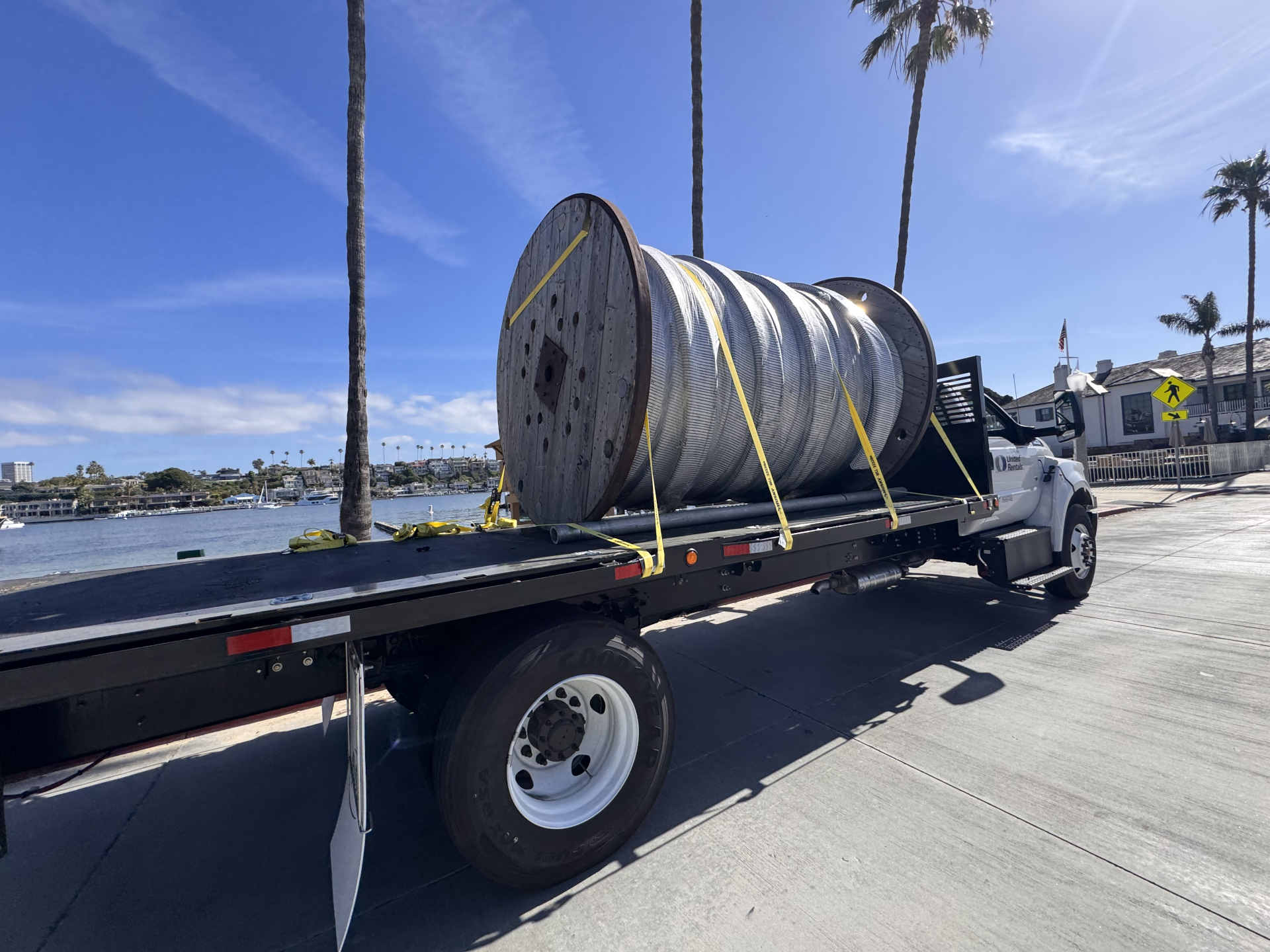
The City of Newport Beach, California, has been an active proponent and supporter of trenchless technologies for nearly two decades. It uses these innovative applications to upgrade and maintain its water and wastewater systems.
And why not? The city has a population of more than 80,000 residents in addition to a robust tourism trade. This coastal California town cannot afford to have its vital infrastructure shutdown for any period of time. Service interruption is not an option, and trenchless solutions are critical to keeping the city running 24/7.
The city operates and maintains a citywide water distribution system of more than 300 miles of water distribution lines. Groundwater wells, water storage reservoirs and pump/pressure facilities support the system. All together, these systems ensure reliable service and fire protection across varied topography and demand patterns.
“In addition to water, our broader utility responsibilities include substantial wastewater and storm drain assets that must be coordinated carefully to minimize disruptions in a dense, built-out coastal environment,” says Michael Sinacori, P.E., assistant city engineer for the Newport Beach Public Works Department.
Long-term Strategy
Sinacori says the city’s long-term strategy is to prioritize renewal efforts in areas with the greatest risk and impact, while continuing to safeguard community access, support local businesses, and preserve the visitor experience.
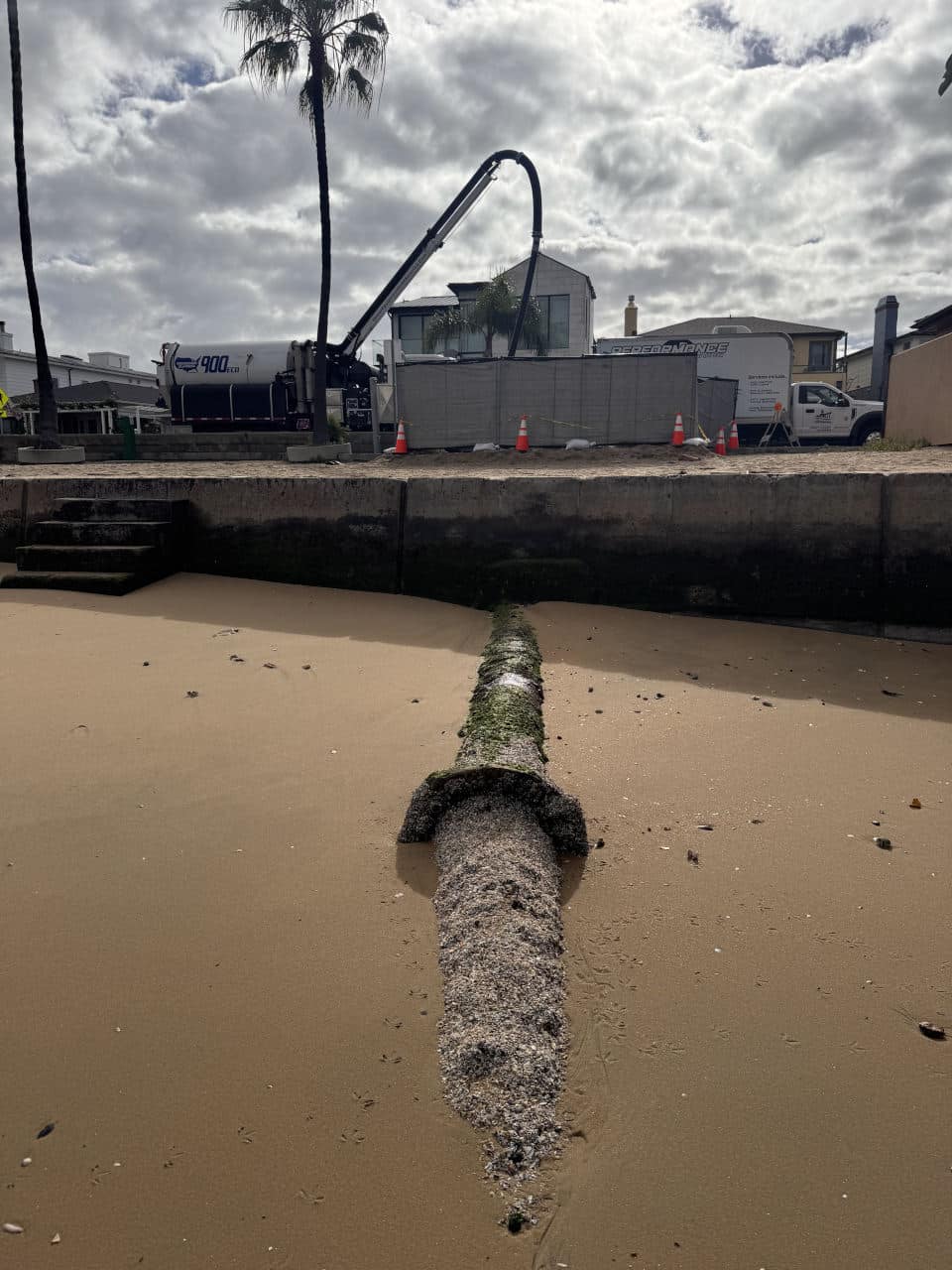
“Over the last several years, the City has increased its use of trenchless rehabilitation approaches where feasible,” he says. “In particular, we have been using flexible fabric reinforced (FFRP) for water infrastructure renewal where conditions support that approach.”
Over the past 15 years, Newport Beach has deployed a wide range of trenchless methods. Using the technologies for both rehabilitation and new construction. These methods include jack-and-bore, horizontal directional drilling (HDD), microtunneling, cured-in-place pipe (CIPP) and sliplining. These techniques have been carried out by qualified contractors, with City oversight and inspection provided, where appropriate.
Utilizing FFRP
Most recently, FFRP has emerged as a newer rehab option when the city looks to tackle its water infrastructure.
“While its comparatively new in the water space here vs. other established trenchless practices, [we view] it as a promising method for certain applications where it can reduce impact and support long-term reliability,” Sinacori says.
With FFRP, Sinacori says it provides a strong fit, particularly as the market for FFRP matures. “Increased competition and the growth of comparable products can help broaden delivery options and improve cost-discipline over time,” he explains. “Today, limited competition in certain segments of the FFRP rehabilitation space, can contribute to relatively high material pricing.”
Why Trenchless Works
Why is trenchless a great fit in Newport Beach? Sinacori points to several factors, emphasizing the minimized disruption that the technology brings to its residents and visitors tops the list.
“Newport Beach is a highly active coastal community with busy streets, constrained corridors, special event traffic and significant tourism,” he says, explaining that trenchless affords the city limited lane closures, protection of access to homes and businesses, and a reduction of construction-related noise and dust. “Trenchless approaches can help us shield residents and visitors from the day-to-day disruptions of construction, often by minimizing excavation footprints and keeping critical routes functioning.”
Sinacori notes that the need to upgrade, renew and replace aging, deteriorating underground infrastructure across the United States is significant, and municipalities must carefully balance cost, efficiency, public safety, and community disruption to address it.
“In general, water and wastewater utilities are in a strong position to benefit from major advances in materials, construction methods and analytical tools,” he says. “The industry is moving toward better modeling, better data and better targeting of capital spending to maximize reliability per dollar invested.”
With all of that to consider, municipalities must also factor in workplace transitions in their plans — loss of institutional knowledge. “We see significant value in increased automation, standardization and decision-support tools that reduce reliance on undocumented institutional memory and help agencies ‘do more with less’ while maintaining safety and reliability.”
Sinacori notes that the biggest opportunity for West Coast agencies is to accelerate adoption of proven and emerging technologies vs the standard slower pace municipalities usually take. “While many technologies exist, municipal adoption can be slower due to risk aversion, limited staffing, and procurement constraints. In our view, meaningful progress often requires a ‘catalyst agency’ willing to pilot and validate innovations in a disciplined way that others can follow.”
Seattle, Washington
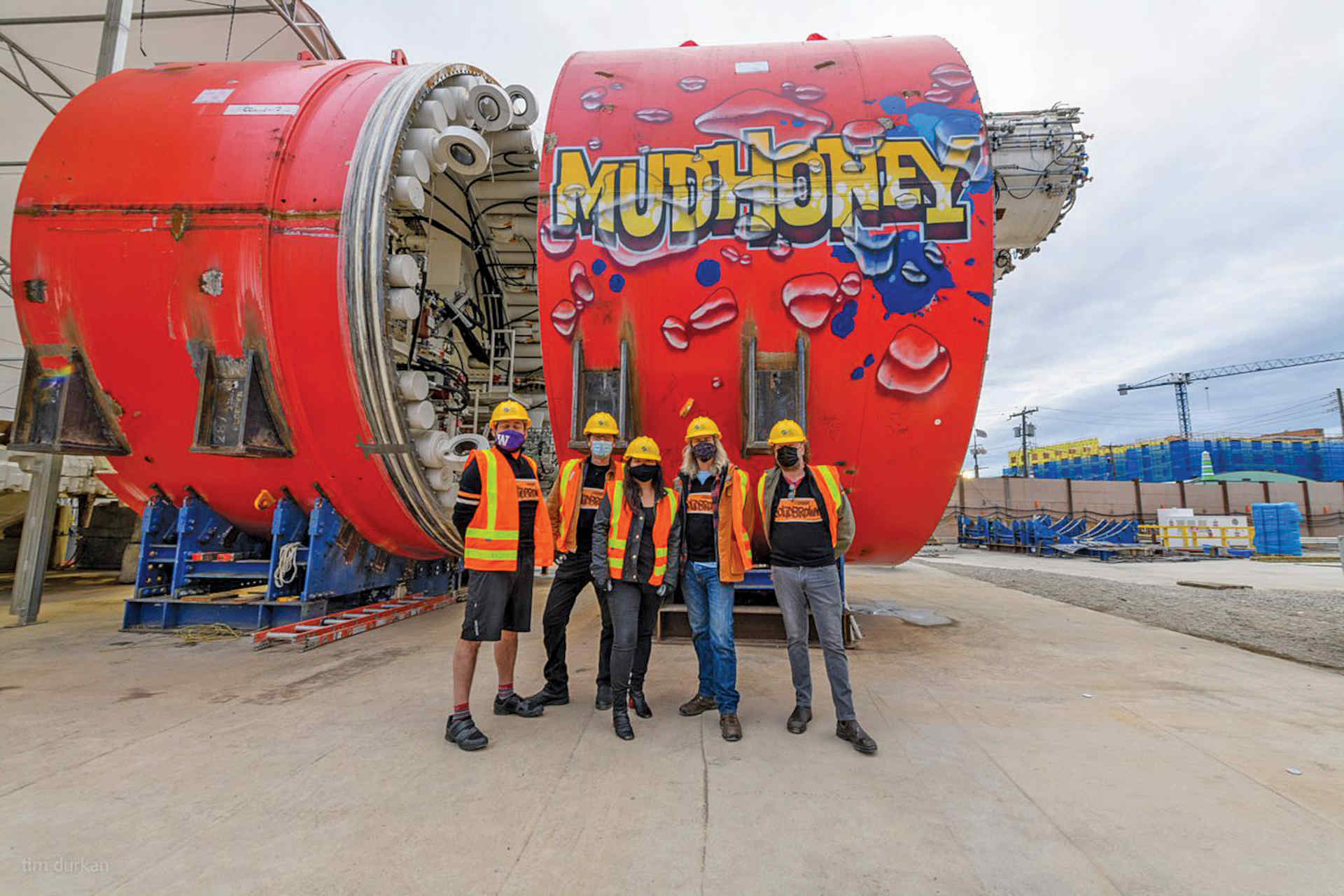
Seattle, Washington, is no stranger to utilizing innovative solutions to solve its underground infrastructure challenges. Using trenchless technology products, applications and designs is a no-brainer for those entrusted with the care of the city’s water and wastewater pipes.
Seattle Public Utilities (SPU) has more than 1,400 miles of wastewater pipe (dedicated and/or combined sewer) with an average age of 90 years. There is nearly 500 miles of drainage pipe. Average size of its pipes is 8 to 12 in. The King County Wastewater Treatment Division owns and maintains most of the large interceptors. However, SPU does have some large diameter pipe (54 in.) and storage tunnels (18-plus ft ID).
Forward-thinking is a keen description for the city’s thought process.
Early Adopters
SPU and the city’s history of employing trenchless technologies goes back to the 1990s, when the trenchless industry was in its infancy, still unheard of and unproven in most areas of the United States. City officials used fold-and-form rehabilitation on drainage and wastewater collection system before transitioning to cured-in-place pipe (CIPP) in the 2000s.
Seattle prides itself on being an early adopter and proponent of trenchless technology, embracing technology that effectively makes the lives of its residents and visitors better in the process.
“While we have had some hesitancy to be the very first adopter to a new technology, we generally welcome the right tool for a job, trenchless or not,” says Moffat. “I would say that we have demonstrated an openness to many trenchless technologies… We try to balance the risks, costs, and other constraints to select the most appropriate approach for a given [situation].”Forward thinking is a keen description for the city’s thought process.
Today’s Trenchless Arsenal
In the years since, SPU has ramped up its lining program, utilizing many forms of trenchless to maintain and improve its system.
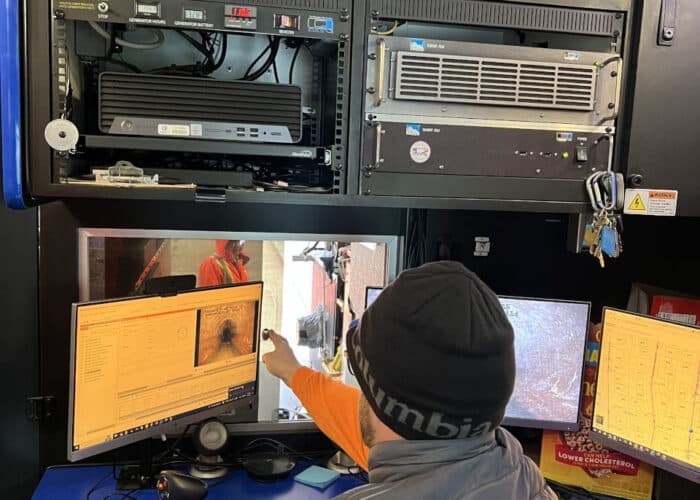
“At this point, contractor-performed full-line ultraviolet CIPP is the primary trenchless technology that SPU has used for the wastewater pipe rehab program,” says SPU wastewater rehab program manager Ken Moffat.
The SPU trenchless arsenal includes geopolymers, sectional liners and tee-liners, as well as fiber-reinforced polymer wraps, pipebursting and various grouting technologies for rehabilitation and tunnel boring machines for new construction.
“Through use of trenchless technologies, we are able to reduce our construction footprint, resulting in less disruption to our neighbors and costs to our customers,” Moffat says. “This results in short-term, limited construction impacts with long-term structural benefits to our sewer system.”
Trenchless Addresses Infrastructure Challenges
The infrastructure challenges that Seattle faces are no different than other cities across the country. It includes inflow and infiltration, combined sewer overflows and funding constraints. These are universal problems. How each city deals with them is not.
One area that Moffat says has been frustrating has been detecting a pipe defect and identifying it for rehabilitation. But, the condition worsens and evolves into an emergency repair vs a planned rehabilitation.
“We’ve had a few of these projects in recent years and it is costly both financially due to the premium we pay for delivery emergency projects but also the sunk cost of time that had been invested for design and permitting that was no longer relevant.”
On the daily, cities like Seattle face the same challenge: providing high level service and solutions during a time of fiscal belt-tightening — and no one wants to raise customer rates.
“With that said,” Moffat says, “We still have aging infrastructure with renewal needs and we know that emergency repairs are considerably more expensive than planned work… We generally prioritize our renewal program based on asset risk, based on observed pipe condition and physical location of the pipe. We have a risk-based algorithm that was developed through input from our pipe assessment team, crews and internal stakeholders.”
Going forward, Moffat sees contractor-performed UV CIPP continuing to be the go-to facet of the SPU program. This allows the utility to focus on proactive asset management and offer flexibility for urgent repairs that are not available at this time.
Winnipeg, Manitoba
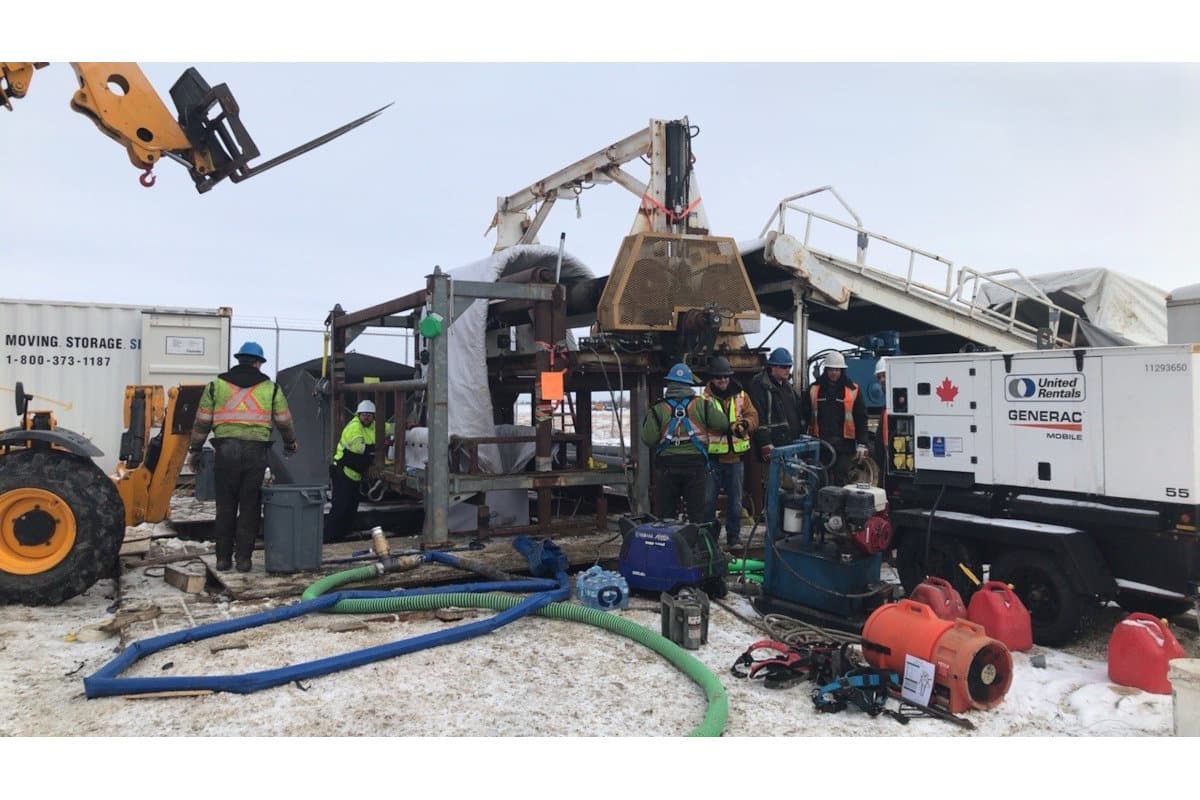
In January 2026, Statistics Canada released its population estimates and the data shows Winnipeg, Manitoba, surpassing the 850,000-resident mark. This is the fifth-highest total population increase of any municipality in Canada.
When you extrapolate that out, it’s evident that the city needs to maintain a keen focus on its underground infrastructure. And it does. Winnipeg is considered one of the early adopters of trenchless rehab solutions in Canada.
A North American Pioneer
Based on previous reporting in Trenchless Technology, its earliest use of cured-in-place pipe (CIPP) dates to 1978. This is the first recorded CIPP installation in Canada.
While that project had its challenges, the city did not abandon the notion of using CIPP. In fact, its long-running sewer renewal program has included CIPP lining since the late 1990s, according to Armand Delaurier, C.E.T., PMP, project coordinator, City of Winnipeg.
In his role, Delaurier prepares and issues sewer rehabilitation Requests for Proposals for engineering consultants. The consultants handle design and contract document preparation and perform contract administrative duties for the rehabilitation projects. He notes that while the majority of its projects are outsourced to consultants, some have been done in-house.
Robust Rehab Program
When discussing this rehabilitation program, it’s helpful to understand Winnipeg’s system a little better. “The City of Winnipeg has approximately 850,000 residents and is serviced by combined sewers in the oldest neighborhoods, as well as separate wastewater sewers and land drainage sewers,” says Delaurier.
The city has 1,609 km of wastewater sewers and1,354 km of land drainage sewers. It has 1,004 km of combined sewers and 178 km of storm relief sewers. Interceptor sewers make up 139 km of the system. Delaurier notes that one challenge the city faces is that 25 percent of its system is combined sewers.
“Winnipeg uses CIPP as a primary means to rehabilitate sewers, and is expected to reach 250,000m of lining by the end of 2026,” says Delaurier. “The city’s annual sewer renewal program consists of approximately 80 percent rehabilitated by CIPP methods, and 20 percent by replacements and repairs. CIPP has been used in our sewer renewal program since the late 1990s.”
With its use of CIPP as part of the sewer renewal program now in its third decade, Winnipeg has seen many long- and short-term benefits of the technology.
Seeing the Benefits
“The long-term benefit of a CIPP is the design life expectancy,” says Delaurier. “The short-term benefit of an annual CIPP program is the ability to rehabilitate more sewers at significant savings compared to conventional replacement methods.”
Like every system owner across North America, the use of trenchless technologies is mostly limited by one thing: Funding. Budgets constrain the amount of sewers that can be rehabbed.
Another issue facing Winnipeg is that unlike other major cities in Canada, its contractor pool is limited.
“We typically only receive two or three bidders per project due to limited contractor expertise,” says Delaurier. “CIPP contractors are not local and perform work in other cities, which may mean higher prices for us.”
A Bright Future
Looking ahead, Delaurier sees many opportunities ahead for Winnipeg and other municipalities. When it comes to the use of trenchless technologies for rehab there is no slowdown in sight.
“Funding increases would allow the rehabilitation of more sewers by CIPP before they deteriorate to the point where additional, costlier short repairs are required or, worse, where CIPP is no longer feasible,” he says. “Increasing the number of sewers rehabilitated by CIPP today will represent cost-savings in the future.”
Sharon M. Bueno is editor of Trenchless Technology. Mike Kezdi is managing editor of Trenchless Technology.
Latest Posts
- Failure Analysis of Drill Rod Fracture During Large-Diameter HDD Pipeline Reaming

- No-Dig North 2026 Preview – Heading to Calgary

- Contractor Profile – SKE Construction
- NASSCO Report – Florida City Rehabilitates More Than 1,600 Manholes
- PG&E Files 10-Year Electrical Undergrounding Plan
Next Up
HDD Rodeo | December 2-4, 2026 | Perry, Georgia | Learn more
HDD Academy | February 18-19, 2027 | Scottsdale, Arizona | Learn more
Microtunneling Short Course | May 4-6, 2027 | Scottsdale, Arizona | Learn more
Water Finance Conference | August 3-4, 2027 | Cleveland, Ohio | Learn more