How Cleaning & Inspection Technologies Accelerate Small Diameter Sewer Repairs
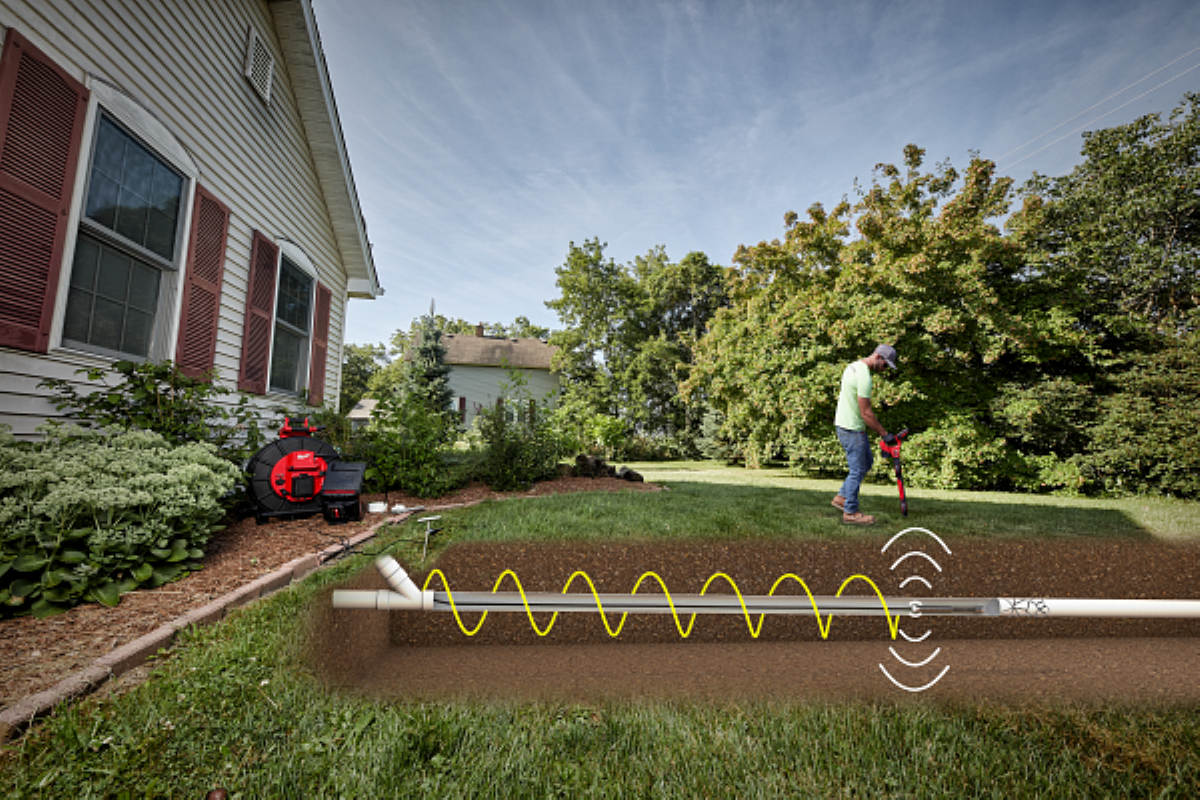
As the demand for trenchless solutions grows, contractors rehabilitating small-diameter sewer laterals and in-building branch lines face mounting pressure to deliver repairs that are fast, accurate, and minimally disruptive. These systems often range from 2 to 6 in. in diameter and run through residential slabs or tight mechanical spaces that leave virtually no margin for error.
Open-cut excavation is no longer a realistic option in many of these environments, both for cost reasons and because building owners and municipalities prioritize low-impact maintenance. Lateral failures can lead to property damage, unplanned service interruptions, or even contamination issues, making proactive rehab methods essential.
Today, the success of trenchless rehabilitation depends on two critical steps often underestimated: proper pipe preparation and verification. Recent technological advancements in powered cleaning tools and high-resolution inspection systems are transforming these steps from labor-heavy procedures into streamlined, high-productivity operations. Contractors who embrace these technologies can reduce risk, lower costs, and improve client satisfaction, while strengthening their reputation for quality.
Industry Challenges
Restoring or lining an existing lateral sounds simple, until crews encounter real-world conditions. Years of mineral buildup, corrosion in cast iron, and embedded roots can reduce the internal diameter by half. Over time, rough surfaces and scale create a hostile environment for cured-in-place lining, jeopardizing adhesion and risking premature liner failure.
Beyond cleaning, verification remains a weak link. If contractors can’t confirm that debris has been fully removed or that liners installed properly, problems may emerge weeks later. Each callback means lost time, lost profit, and often, reputational damage.
Step One: High-speed Flexible Shaft, Chain Machines
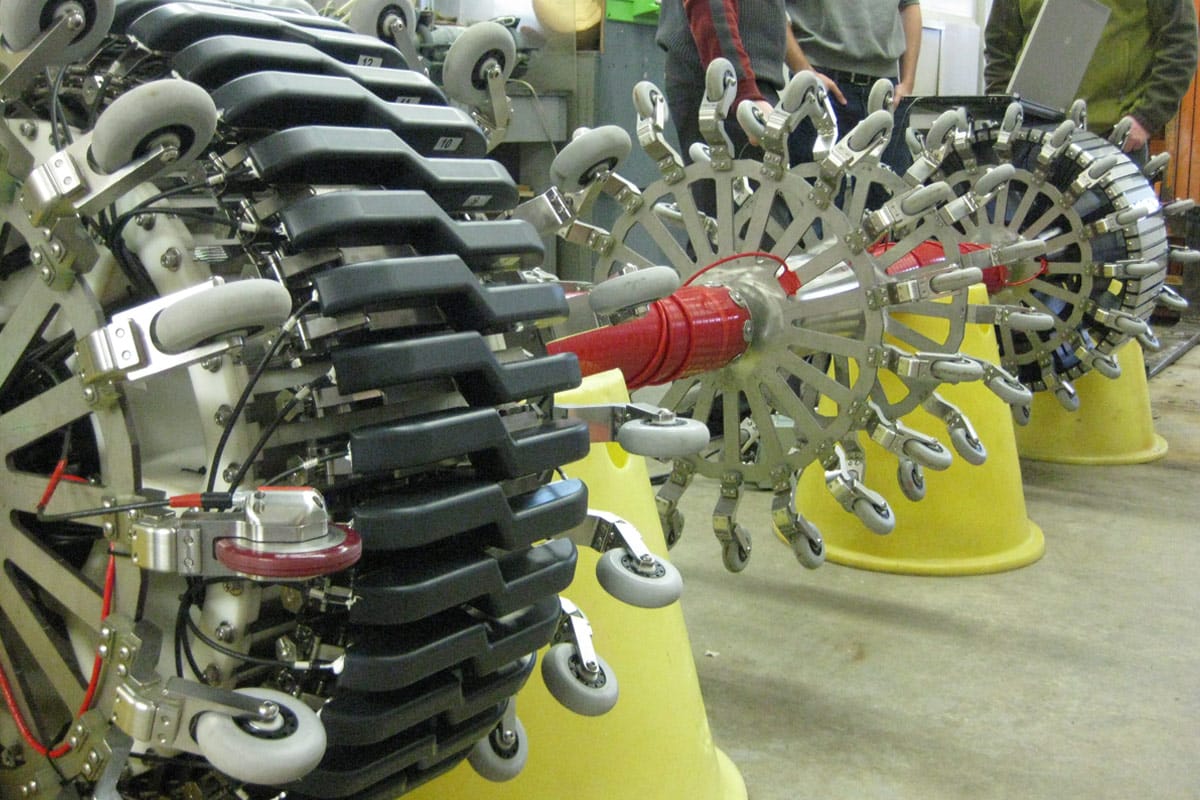
Powered chain-based cleaning systems now offer an advanced approach to lateral prep, especially for cast iron, clay, and other rough ductile substrates. These systems operate with high cutting power, but when paired with proper speed and torque control, they maintain precision.
Latest Posts
- Contractor Profile – SKE Construction
- 2026 Trenchless Rail Crossings Special Report
- NASSCO Report – Florida City Rehabilitates More Than 1,600 Manholes
- PG&E Files 10-Year Electrical Undergrounding Plan

- HDD Contractor Faces Tough Rock Drilling Under the Illinois River
Next Up
HDD Rodeo | December 2-4, 2026 | Perry, Georgia | Learn more
HDD Academy | February 18-19, 2027 | Scottsdale, Arizona | Learn more
Microtunneling Short Course | May 4-6, 2027 | Scottsdale, Arizona | Learn more
Water Finance Conference | August 3-4, 2027 | Cleveland, Ohio | Learn more