Six Tips to Optimizing Parallel Pump Systems for Wastewater Bypass Projects
On trenchless rehabilitation and renewal jobs that require wastewater bypass, pump performance is everything. If the temporary pumping system falters, the project stops, and the consequences can extend well beyond the right-of-way.
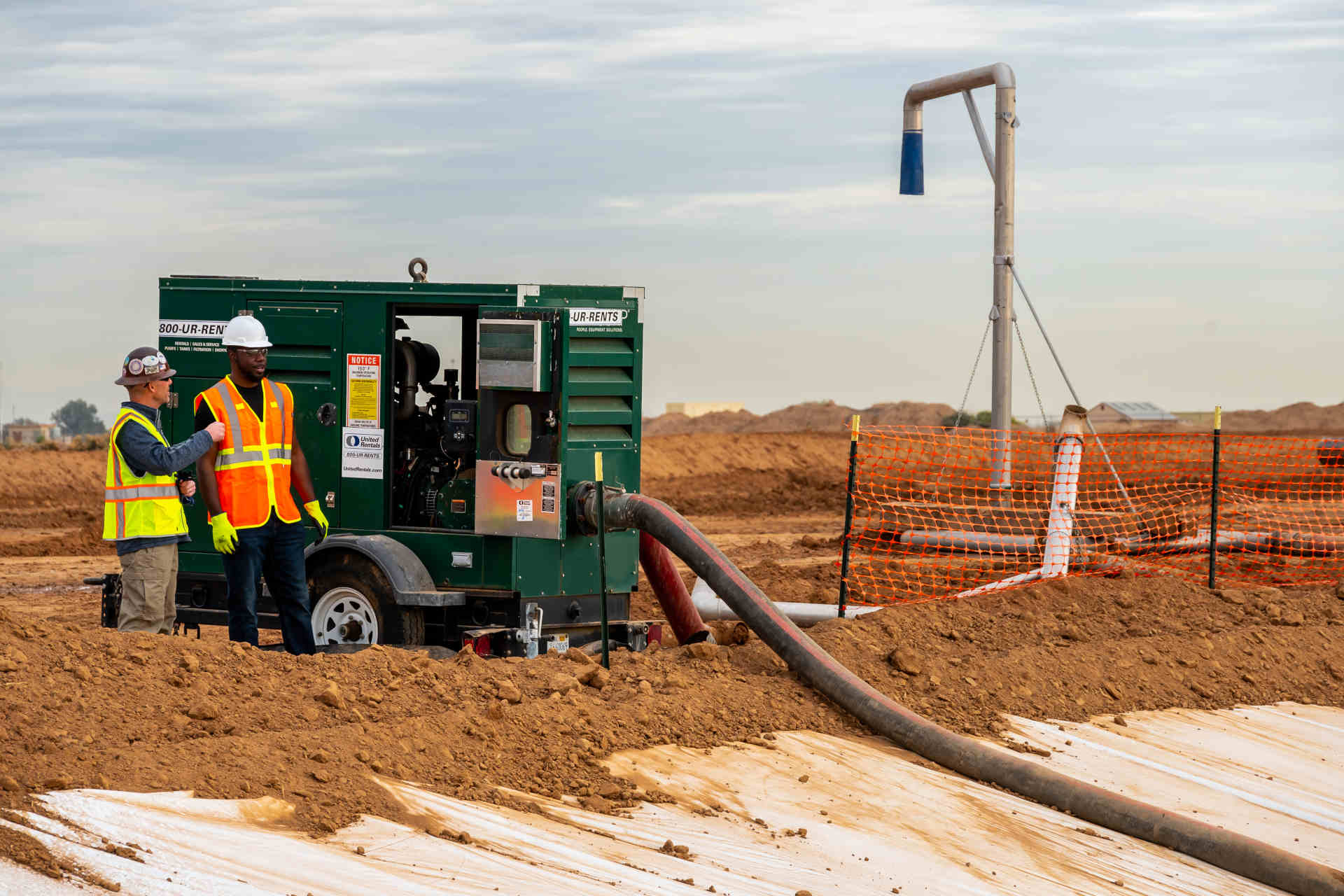
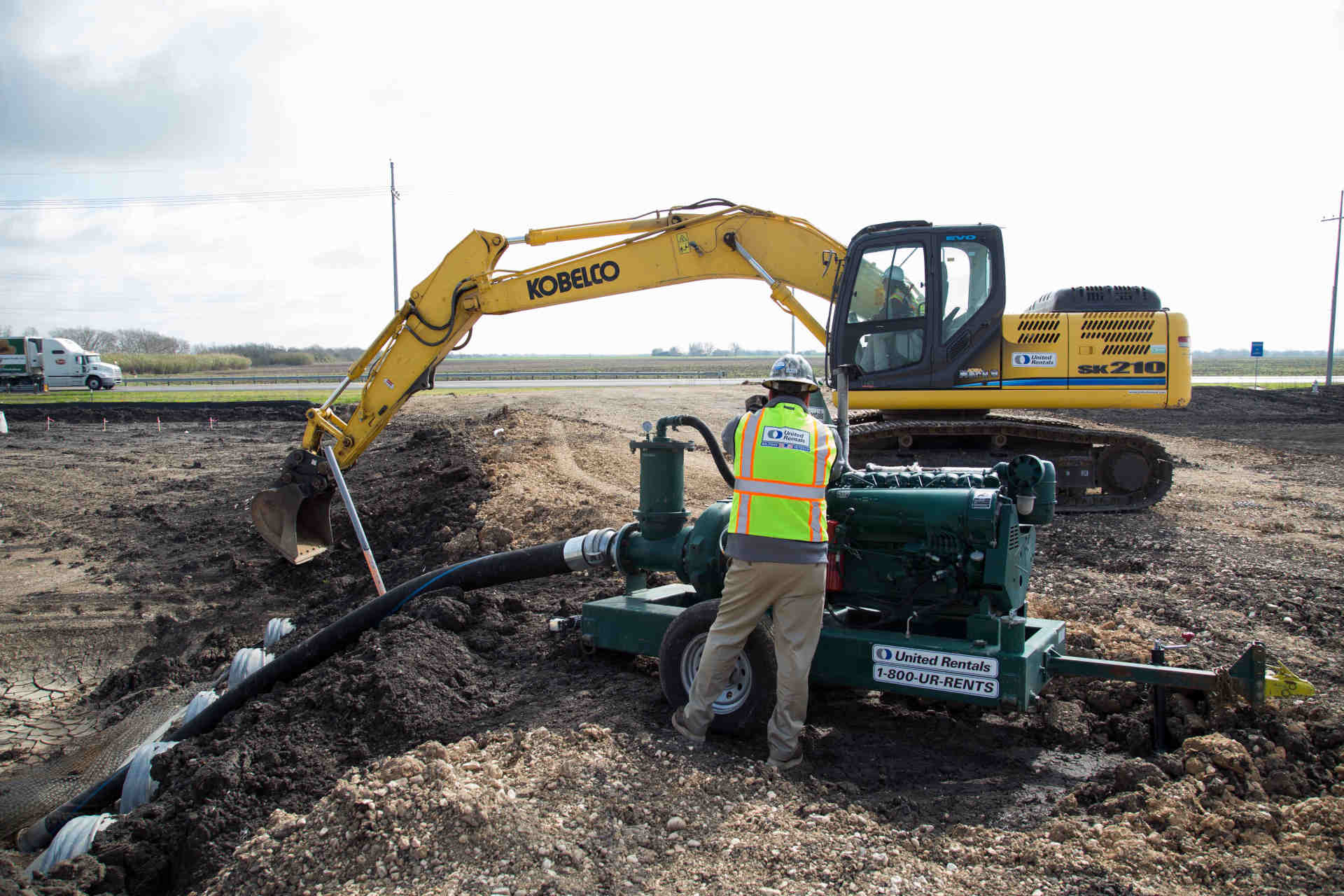
Redundancy is essential to mitigating the risk of spills and backups. Parallel pump systems provide built-in redundancy by putting two or more pumps on a common suction and discharge header so the system can keep moving flow even if one pump is offline. Two mid-sized pumps operating together can often move flow more efficiently than one very large unit operating outside its optimal range. Paralleled systems also add flexibility and efficiency when flows vary significantly.
Optimizing these systems is more important than ever since many of today’s bypass durations are stretching from days into weeks and months, and flows are becoming less predictable due to aging infrastructure, infiltration and volatile weather patterns.
Designing a small, two-pump system may be easy enough, but getting the system design right is more difficult — and crucial — on large, complex projects.
The following tips can help contractors, engineers and municipalities achieve efficient, trouble-free performance, reduce operating expenses and avoid regulatory penalties for noncompliance and environmental contamination.
1 – Get the Size Right
How large should the pumps in a two-pump system be? Determining the answer to that fundamental question is key.
For years, the instinct on sewer work was to size a pump for peak flow and add a safety margin. But especially on long-duration trenchless projects, this approach significantly increases energy costs. More concerning, it can introduce operational challenges.
Diesel engines perform most reliably and efficiently when adequately loaded. Oversizing pumps typically run chronic underloaded, which decreases pump efficiency and often leads to short cycling. The results are higher fuel costs, excessive wear on pump components and shorter maintenance intervals. Short cycling also contributes to incomplete combustion and carbon buildup, which can lead to vibration and cavitation, the most common cause of pump failure.
Undersizing pumps, of course, increases the risk of backups and spills during peak periods and surges.
Sizing pumps based on total dynamic head (TDH) calculations rather than relying on pump curves alone is essential for performance and cost optimization. TDH is the sum of the pressure needed to move wastewater through the system based on the total resistance the pump must overcome. It factors in suction lift, discharge elevation and friction losses in pipes and fittings. Basing pump size on TDH reduces the risk of system bottlenecks, pump failures and spills.
Accurately determining the THD for each pump also helps contractors understand the impact on flow of adding a second pump. Due to friction loss, a second pump won’t double the flow of a single pump, as some contractors assume it will.
2 – Balance the Loads
A common mistake in designing a two‑pump parallel system is using pumps with significantly different pump curves. In that scenario, the pump with higher head capacity takes most of the load while the other “rides along,” underloaded. Mismatches can lead to overheating or cavitation of the bigger pump, as well as uneven wear, lower system efficiency and reduced redundancy.Choosin
g pumps with similar performance curves and operating them near the same point on those curves facilitates balanced flow sharing and avoids overworking a single unit. Runtime meters and flow meters enable operators to confirm if the load is being shared as designed.
3 – Keep Speed Under Control
Achieving the highest possible flow velocity by running pumps at full speed may sound like a formula for efficiency, but it can backfire. High flow velocities increase turbulence, which reduces the flow rate. They can also damage equipment. Running pumps at full speed over long periods increases the risk of short cycling. It also increases the need for refueling trips and generates more noise, which may be an issue in sensitive areas.
Sizing pumps so they can run below their maximum revolutions per minute (RPM) and still provide the required TDH is the better approach. Lower speeds helps achieve laminar flow, which minimizes friction losses, reduces the risk of short cycling and extends the lifespan of the equipment.
4 – Consider a Third Pump for Highly Variable Flows
On large projects with unpredictable flows, adding a third pump to the system is worth considering. It can be an effective way to increase a system’s ability to handle expected and unexpected peaks caused by storms and worst-case-scenario events, such a rupture of a temporary force main, without resorting to oversizing the pumps in a two-pump system.
Automatic controls such as float switches and start-stop controls can turn on the standby pump when it’s needed during surges. During normal flows, including daily peaks, the two paralleled pumps meet the demand.
5 – Alternate Pumps for Even Wear
Depending on the flow, running one pump at a time is sometimes more energy efficient than running both paralleled pumps. But in this scenario, it’s important to alternate the pumps regularly vs. running the same pump continuously or relying on memory to switch pumps manually.
Contractors can use automated controls to switch pumps at set intervals, which reduces the need for onsite personnel. Routine maintenance can be performed when one pump is offline.
Adding telematics devices to pumps allows contractors to track the utilization of each pump via a cloud-based equipment monitoring platform. Based on utilization reports, contractors can make adjustments to pump run times as needed.

6 – Layer in Monitoring
On large bypass jobs, visibility is now a must.
In addition to tracking pump utilization, telematics devices provide real-time visibility into system performance. Cloud-based monitoring systems can report metrics such as fuel level, oil pressure, coolant temperature, suction and discharge pressure, and flow rate, enabling teams to identify problems early.
They can also issue diagnostic alerts that allow project personnel to respond immediately, before an issue escalates.
For project owners and contractors who choose to rent pumping equipment, a temporary equipment vendor that offers engineered system designs and turnkey service will monitor pump performance 24/7 and quickly make any necessary adjustments.
Parallel Pump Systems: Providing Redundancy and Reliability
Well-designed parallel pump systems provide essential redundancy while minimizing the risk of failure. These systems help protect project schedules and safeguard communities while enabling trenchless methods of rehabilitation and repair.
Right-sizing and otherwise optimizing a parallel pump system delivers benefits that compound over the course of a project, leading to better cost control, fewer greenhouse gas emissions, and more reliable outcomes. For municipalities and contractors alike, that reliability translates to reduced risk exposure and increased confidence.
Ross Derouen is director of sales and marketing for United Rentals Fluid Solutions.
Latest Posts
- 2026 Trenchless Rail Crossings Special Report
- NASSCO Report – Florida City Rehabilitates More Than 1,600 Manholes
- PG&E Files 10-Year Electrical Undergrounding Plan

- HDD Contractor Faces Tough Rock Drilling Under the Illinois River
- Vortex Companies Expands its UK Footprint

Next Up
HDD Rodeo | December 2-4, 2026 | Perry, Georgia | Learn more
HDD Academy | February 18-19, 2027 | Scottsdale, Arizona | Learn more
Microtunneling Short Course | May 4-6, 2027 | Scottsdale, Arizona | Learn more
Water Finance Conference | August 3-4, 2027 | Cleveland, Ohio | Learn more