Proactive Force Main Assessment Averts Costly Repairs
The City of Battle Creek, Michigan, had growing concerns about the useful life of the 8,600-ft Riverside force main, an 18-in. ductile iron pipeline. After two decades in service, the pipeline exhibited signs of deterioration and corrosion. Over the years, pipe breaks and leaks had led to costly emergency repairs.
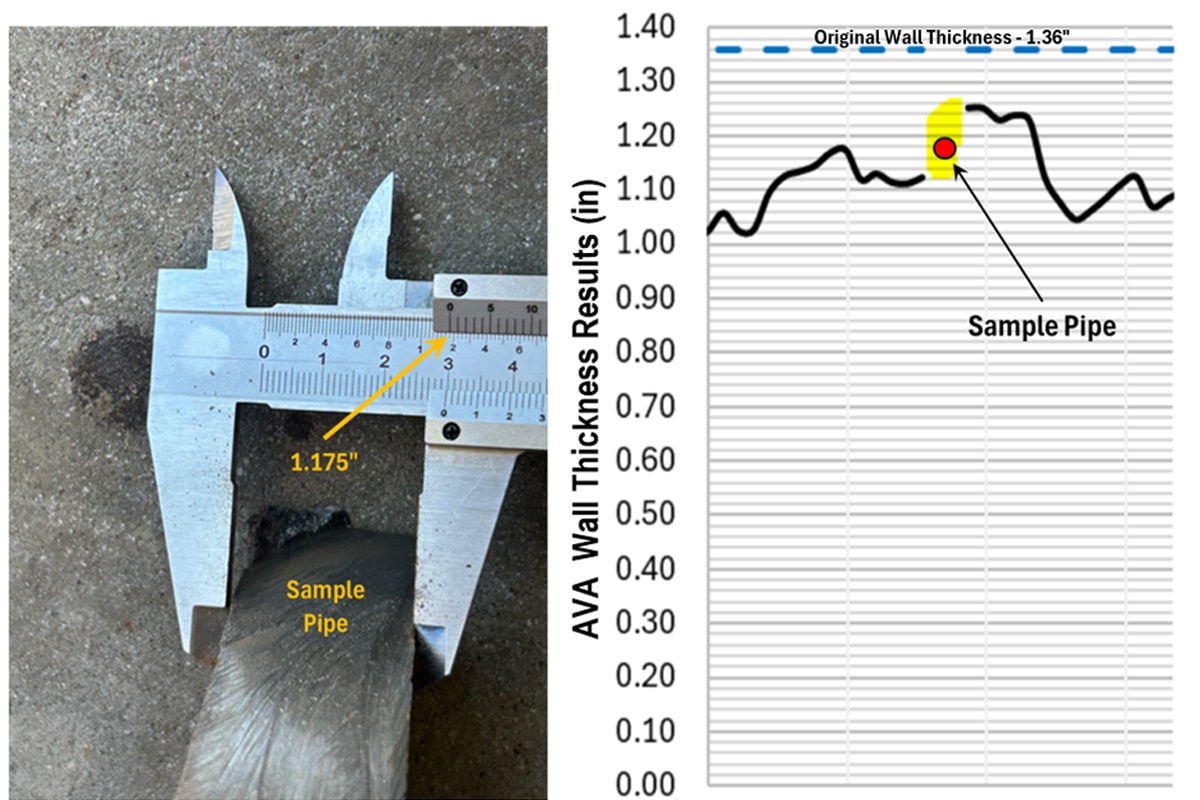
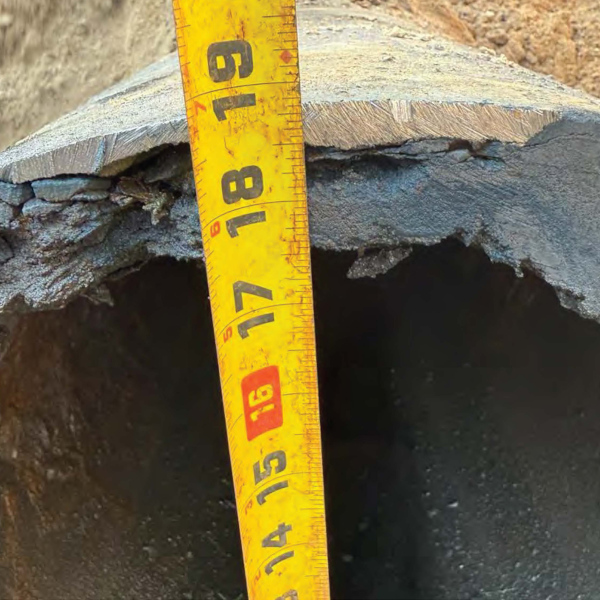
A pipe section that was removed revealed approximately 1-in. of thick internal deposits. Hydrogen sulfide (H2S) buildup was also a contributing factor.
In pressurized wastewater systems, H2S can accumulate where air release valves (ARVs) are missing, improperly located, or not functioning effectively. When released, it oxidizes into sulfuric acid, accelerating corrosion of pipe walls and associated structures.
Like many utilities, the City had limited visibility into the internal condition of the pipeline. Force mains operate continuously, have few access points and are difficult to inspect using traditional methods without disruption.
Historically, force main maintenance has been addressed reactively, addressing issues when performance declines or failures occur. Limited visibility into internal conditions increases the likelihood of emergency repairs, operational disruptions, and accelerated deterioration.
The city selected American Pipeline Solutions to perform a comprehensive inline condition assessment.
Today’s cost-effective advanced eddy current sensor inspection tools enable proactive screening for force mains, to detect corrosion and wall loss trends and identify hotspots.
Inspection Approach
The assessment strategy combined progressive cleaning with inline inspection technology to evaluate the pipeline along its full length while remaining in service.
Progressive Cleaning
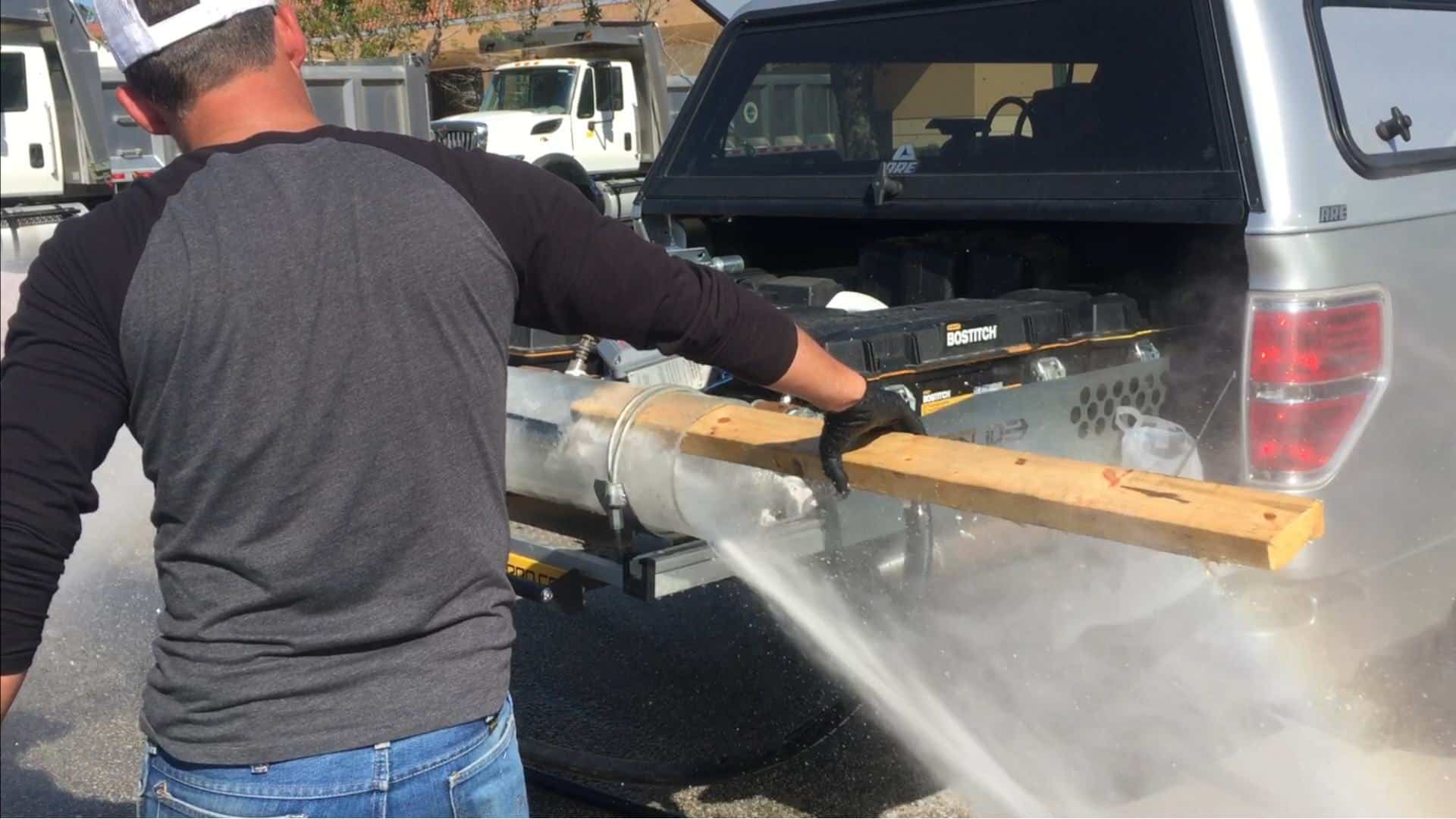
Prior to inspection, a series of progressive pigging runs were completed to remove accumulated debris and restore internal conditions.
Foam pigs were selected based on pipe diameter, material, and required cleaning aggressiveness. Initial runs utilized soft, low-density foam pigs sized to the pipeline diameter to safely dislodge loose silt and debris without risking blockage or damage. Then, a medium-density foam pig was used to remove more stubborn deposits and sediment. The pigs conform to the internal geometry of the pipeline, effectively removing additional layers of sediment and buildup.
This staged cleaning approach improved internal conditions and ensured optimal sensor contact during inspection, critical for accurate data collection.
Inline Condition Assessment
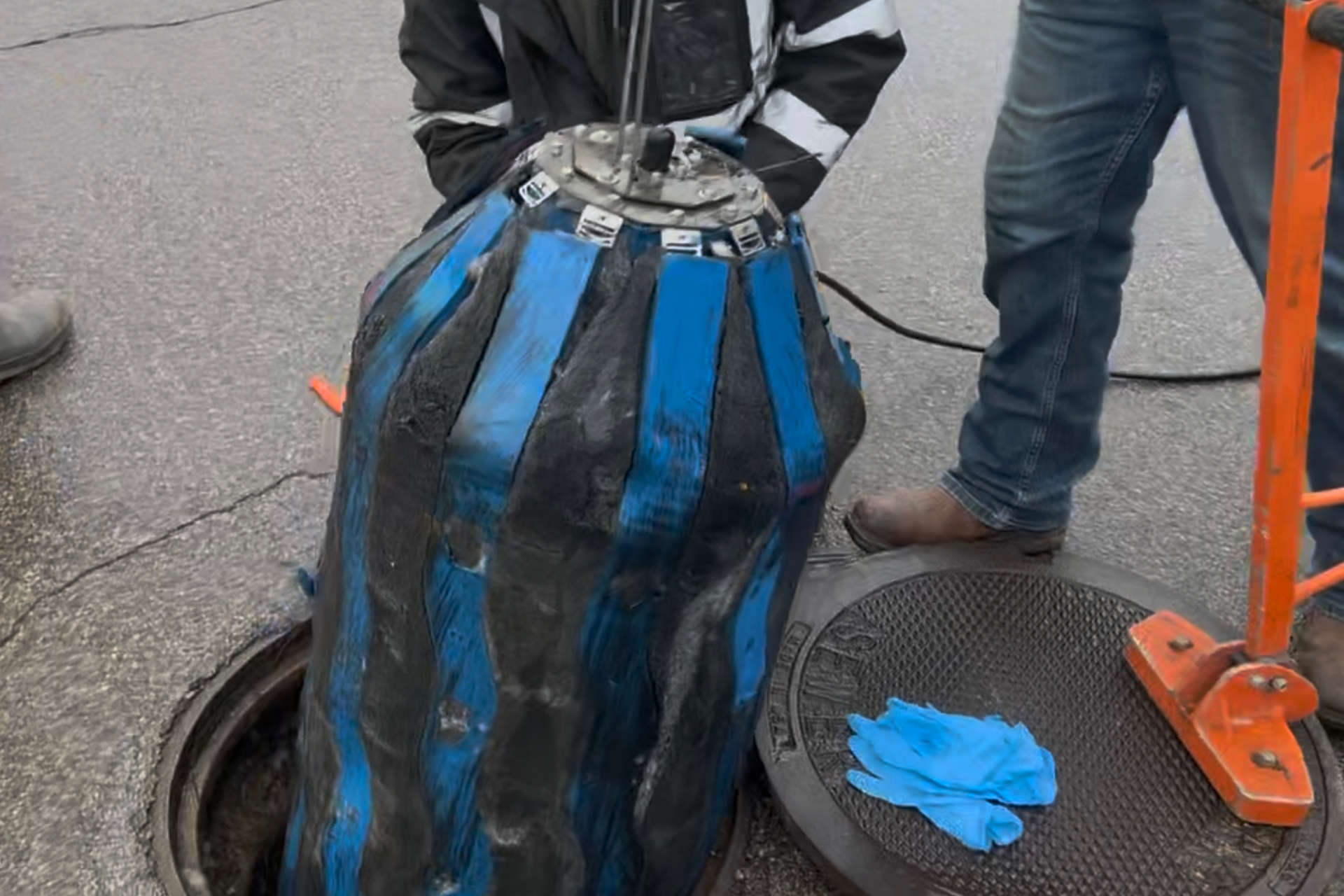
Following cleaning, APS deployed i2i’s SmartFoam inline inspection tool. The tool integrates multiple sensing technologies within a foam pig platform, allowing for non-destructive evaluation in pressurized pipelines.
The inspection system included
- 40 eddy current sensors to detect and quantify wall loss in metallic pipe sections
- Inertial Measurement Unit (IMU) for high-resolution pipeline mapping and geometry tracking
- Odometer tracking for precise distance measurement and feature location
- Hydrophone technology for acoustic detection of leaks and anomalies
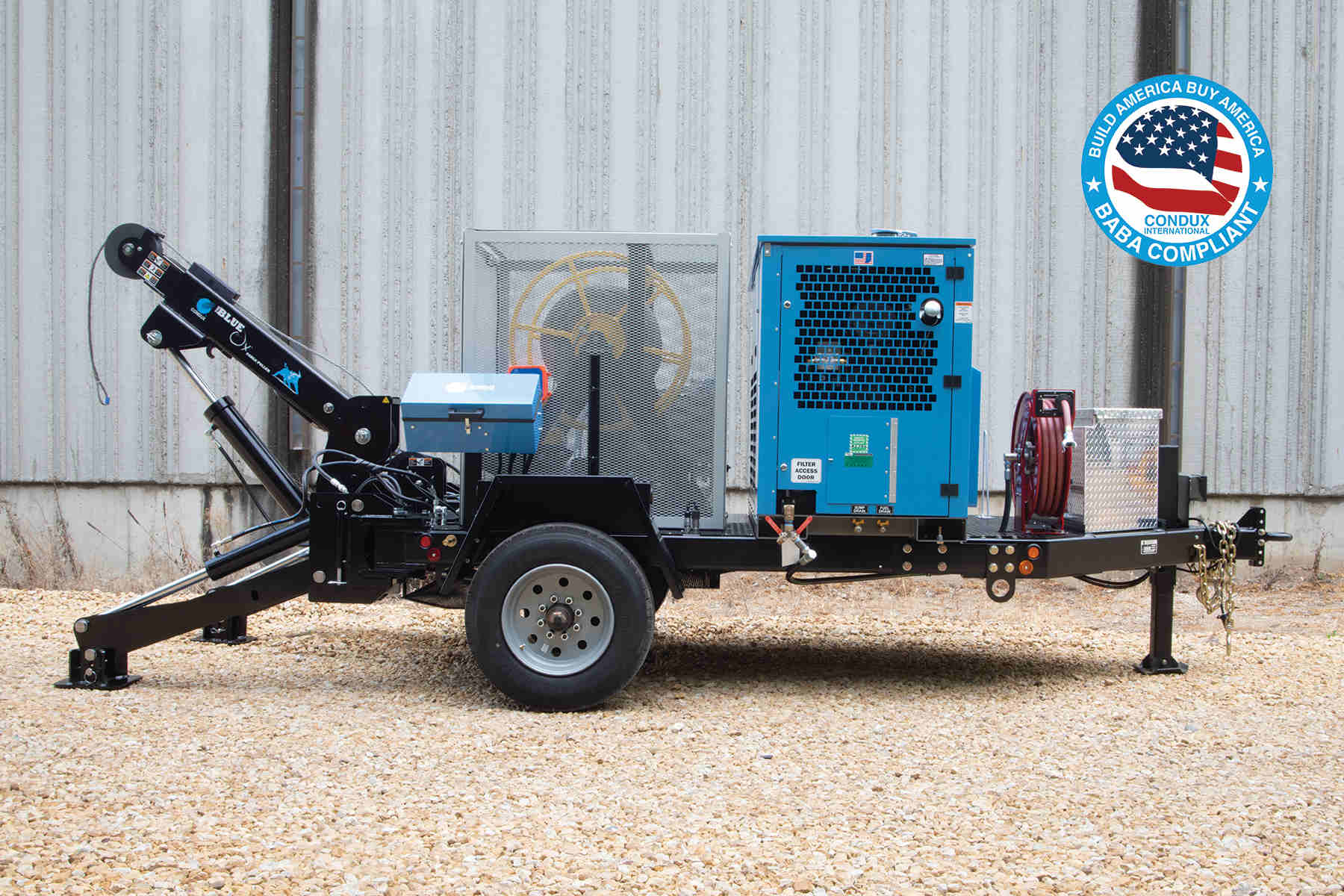
The tool was launched and received without invasive excavation or service interruption. It traveled through the pipeline under normal operating conditions, maintaining an average velocity of approximately 1.7 ft/sec (excluding stalls).
The SmartFoam platform successfully navigated bends, diameter transitions, collecting continuous data on pipeline condition, geometry, including joints, valves, and air release structures.
Mapping and Inspection Results
The inspection and detailed reports provided a comprehensive dataset detailing pipeline geometry and condition.
Pipeline Features Identified
- Total joints: 494
- Bends: 10
- Valves, tees, and ARVs: 5
Condition Findings
- Total anomalies identified: 53
- Anomalies with >10 percent wall loss: 12
- Maximum recorded wall loss: 25 percent (approximately 0.15 in.)
- Critical defects (>30 percent wall loss): None identified
The integration of advanced IMU technology significantly improved mapping accuracy, providing a detailed three-dimensional profile of the pipeline. This enabled precise identification of pipeline features and anomaly locations.
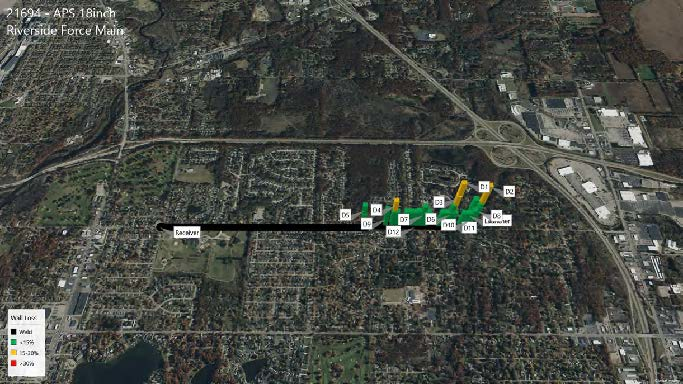
Inspection data was delivered with visualizations, including Google Earth mapping, allowing the city to view exact locations of identified anomalies. Dig sheets were generated for the 12 most significant areas of wall loss, including coordinates, distance from reference points, proximity to joints, and pipe segment details.
Most of the larger anomalies were clustered along the eastern portion of the pipeline near the launch location. This provided valuable insight into potential contributing factors and supported plans to batch repairs at key locations.
Data-driven Decision Making
While there was localized wall loss, inspection results confirmed that the pipeline remained structurally sound without critical defects that required immediate replacement.
Pipeline owners could avoid costly rehabilitation or replacement of the force main. Instead, they could plan for and implement a targeted maintenance approach, focusing on:
- Selective repairs at identified anomaly locations
- Evaluation and maintenance of air release valves
- Improved management of system high points to reduce H₂S accumulation
The availability of accurate XYZ mapping data enabled the city to evaluate pipeline profile and identify areas where additional or relocated ARVs may be beneficial to mitigate air and gas accumulation.
Results and Future Planning
The Riverside force main assessment for Battle Creek, demonstrates the value of combining cleaning and inline inspection to provide full visibility into pipeline conditions without operational disruption.
Key outcomes included
- Confirmation of structural integrity of the pipeline
- Identification of localized corrosion requiring monitoring or repair
- Elimination of unnecessary capital replacement
- Reduced risk of unexpected failures
- Improved asset management planning through accurate condition data
This approach demonstrates how proactive condition assessments can shift utilities from reactive maintenance to data-driven decision making.
Routine cleaning, combined with periodic inspection, provided a practical strategy for maintaining force main performance, extending service life, and controlling long-term costs.
Blake Murphey is president of American Pipeline Solutions (APS).
Latest Posts
- Contractor Profile – SKE Construction
- 2026 Trenchless Rail Crossings Special Report
- NASSCO Report – Florida City Rehabilitates More Than 1,600 Manholes
- PG&E Files 10-Year Electrical Undergrounding Plan
- HDD Contractor Faces Tough Rock Drilling Under the Illinois River
Next Up
HDD Rodeo | December 2-4, 2026 | Perry, Georgia | Learn more
HDD Academy | February 18-19, 2027 | Scottsdale, Arizona | Learn more
Microtunneling Short Course | May 4-6, 2027 | Scottsdale, Arizona | Learn more
Water Finance Conference | August 3-4, 2027 | Cleveland, Ohio | Learn more