Best Practices for Vacuum Excavation in HDD
On any jobsite, the margin between a successful bore and a catastrophic utility strike can be measured in inches. Every day, crews across North America encounter unmarked or inaccurately marked underground utilities — gas lines, fiber conduits, water mains, electrical cables — with consequences ranging from costly project delays to explosions, electrocutions and fatalities.
The Common Ground Alliance’s 2024 DIRT Report identified three root causes of utility damage that vacuum excavation directly addresses: failure to maintain clearance after verifying marks (16 percent), digging prior to verifying marks by potholing (5 percent) and improper excavation practices (7 percent). Together, these account for more than a quarter of all reported utility strikes — nearly 200,000 incidents in a single year.
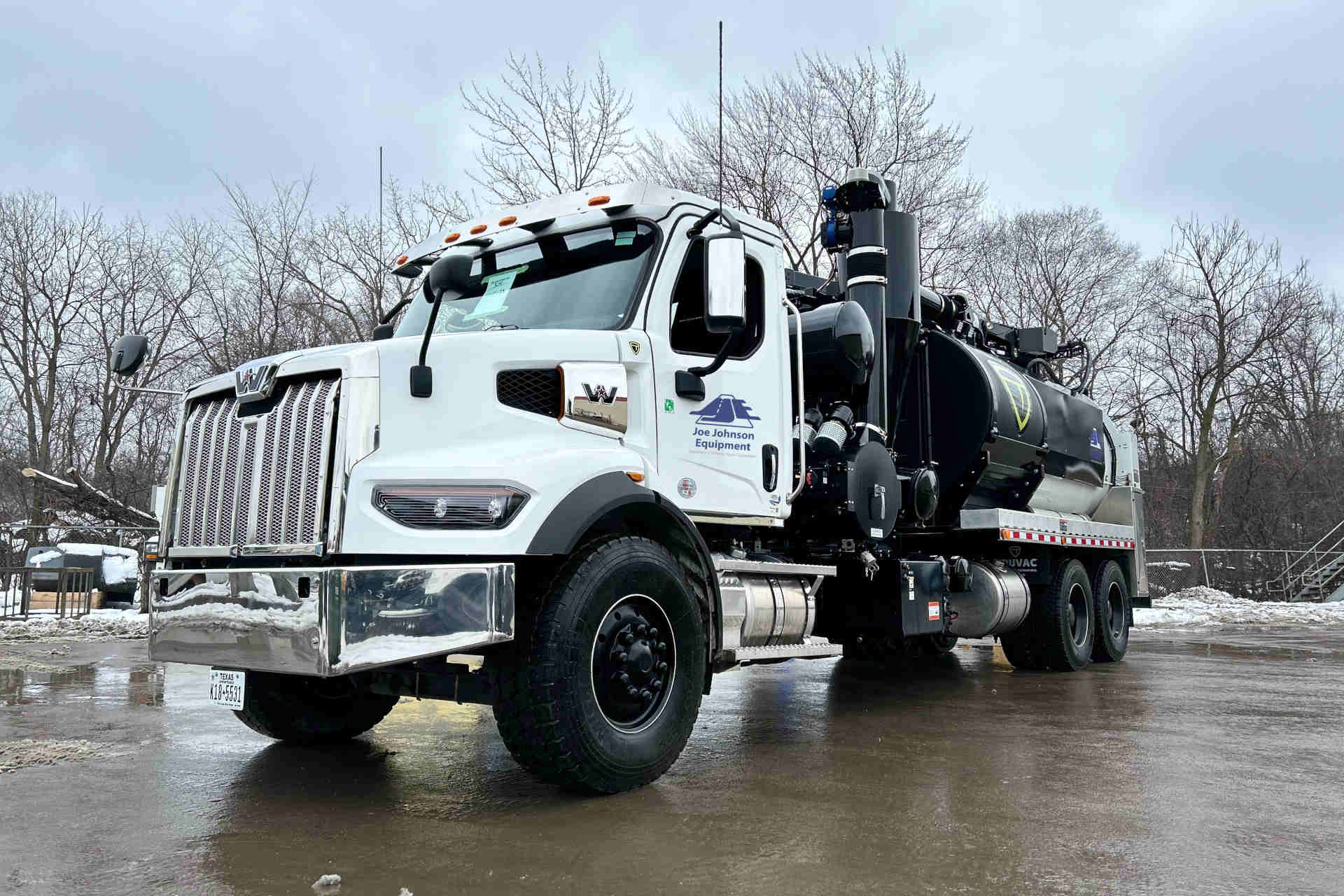
Vacuum excavation — hydro or air — has become one of the most critical safety tools available to horizontal directional drilling (HDD) contractors. But how and when crews deploy it determines whether the technology actually delivers on its safety promise. The following five practices are field-tested and industry-recognized.
1 – Pothole Every Utility Crossing Before the Bore Begins
The single most impactful step any HDD crew can take is to vacuum-excavate every known or suspected utility crossing before drilling starts. 811 locate marks are a starting point, but tolerances can reach 24 in., and older infrastructure may be unmarked entirely.
Many jurisdictions require hand digging or vacuum excavation within the tolerance zone to physically expose utilities and confirm their actual depth, horizontal position and condition.
Pre-bore potholing should expose at least 5 ft on each side of the designed bore centerline at every crossing. Operators should photograph what they find before backfilling — that documentation matters when questions arise later.
2 – Control Drilling Fluid Returns at the Entry and Exit Pits
HDD bores generate significant volumes of drill cuttings and drilling mud throughout the operation. Unmanaged fluid returns create slip-and-fall hazards, can damage pavement and may trigger regulatory violations and work stoppages.
“During HDD operations, vacuum excavation helps to quickly remove drilling mud and spoils, keeping the work area cleaner and reducing slip, trip and fall hazards,” said Cory Schueller, TRUVAC product manager. “Minimizing drill mud spillage also helps keep surrounding ground water from being contaminated.”
Positioning a vacuum excavator at both the drill entry and exit pits allows crews to capture fluid returns and cuttings continuously, keeping the work zone stable and clean. This is especially important during the reaming passes, when fluid volumes are highest and the temptation to let returns accumulate is greatest.
3 – Train Every Operator on Pressure Settings and Nozzle Selection
High-pressure water without proper training can erode protective coatings from gas lines, destabilize soil around pipes, create voids that destabilize adjacent structures, or cut through aged clay and concrete conduits. Air excavation, while generally gentler on utilities, can still dislodge loose soil and cause unexpected surface collapses.
Every operator on an HDD site should be trained on appropriate pressure settings for the utility types present, proper standoff distances, nozzle selection for different soil conditions, and the visual cues that indicate a utility is near.
Look for vacuum trucks with controls that allow for pre-set water pressure limits to reduce the risk of operator error. Conduct pre-job briefings at each site addressing utility type, soil conditions and any anomalies flagged during the locate process.
Seek out hydrovac manufacturers, dealers and industry groups that offer formal operator training and certification.
“Operator safety is critical on today’s jobsites. By reducing the need for mechanical excavation, vacuum excavation helps limit direct exposure and lowers risk to crews,” said Schueller.
4 – Establish and Enforce Exclusion Zones
Multiple pieces of heavy equipment converging on a jobsite create serious hazards. Workers moving between a vacuum excavator and an open pothole face real risk of being struck by moving equipment.
Before vacuum excavation begins, the site supervisor should designate clear work zones for each piece of equipment with defined pedestrian corridors. Open potholes should be marked with hard barriers or cones, and workers should never enter a pothole deeper than knee height without shoring or sloping per OSHA requirements. The vacuum excavator operator must maintain active communication with the HDD driller whenever both operations are running simultaneously — simple wireless communication systems are an effective and low-cost tool for assisting with that coordination.
“Effective vacuum excavation is about precision, not rushing,” said Schueller. “Removing only what’s necessary keeps excavations smaller, limits exposure and supports a safer work environment overall.”
5 – Document Every Pothole and Update the Bore Plan in Real Time
Effective jobsite safety requires that every vacuum-excavated pothole be photographed, measured and recorded on a field document reviewed by both the drill operator and project superintendent before the bore advances past that crossing.
Modern HDD guidance systems can often incorporate updated utility depth data directly, allowing the driller to adjust the bore profile on the fly. Even without electronic guidance, a hand-drawn utility crossing log posted in the driller’s cab provides an invaluable reference.
If a subsequent pothole reveals a utility depth significantly different from the locate data, work should pause until the discrepancy is resolved. That pause is far less costly than a strike.
A Culture of Verification
Vacuum excavation technology has matured considerably — high-performance hydrovac units capable of working in frozen ground, compact air excavators suited for tight urban rights-of-way, combination units that handle both fluid recovery and potholing.
The equipment available today is more capable than ever. But technology alone does not create safe jobsites.
The HDD contractors with the best safety records share one trait: they use vacuum excavation to improve decision-making from planning through project completion. They train their operators, enforce their potholing requirements and maintain real-time communication across their crews.
Every jobsite presents new challenges. Proper vacuum excavation practices help ensure workers make it home at the end of the day.
Latest Posts
- MaxLiner Expanding U.S. Distribution Network

- Advantage Directional Drilling Delivers Precision on Deep Creek HDD
- 2026 Horizontal Directional Drill Rig Specs
- Product Showcase – CETCO HYDROGROUT-EZ

- Groupe ALLEN Joins Pomerleau

Next Up
HDD Rodeo | December 2-4, 2026 | Perry, Georgia | Learn more
HDD Academy | February 18-19, 2027 | Scottsdale, Arizona | Learn more
Microtunneling Short Course | May 4-6, 2027 | Scottsdale, Arizona | Learn more
Water Finance Conference | August 3-4, 2027 | Cleveland, Ohio | Learn more