NASSCO Report – Ensuring Reliability through NASSCO MACP Inspections
As municipalities and utility owners advance proactive asset management, aligning condition assessment methods with regulatory and budget needs is essential. Just as NASSCO’s Pipeline Assessment Certification Program (PACP) standardizes pipeline inspections, its Manhole Assessment Certification Program (MACP) applies similar rigor to vertical access structures.
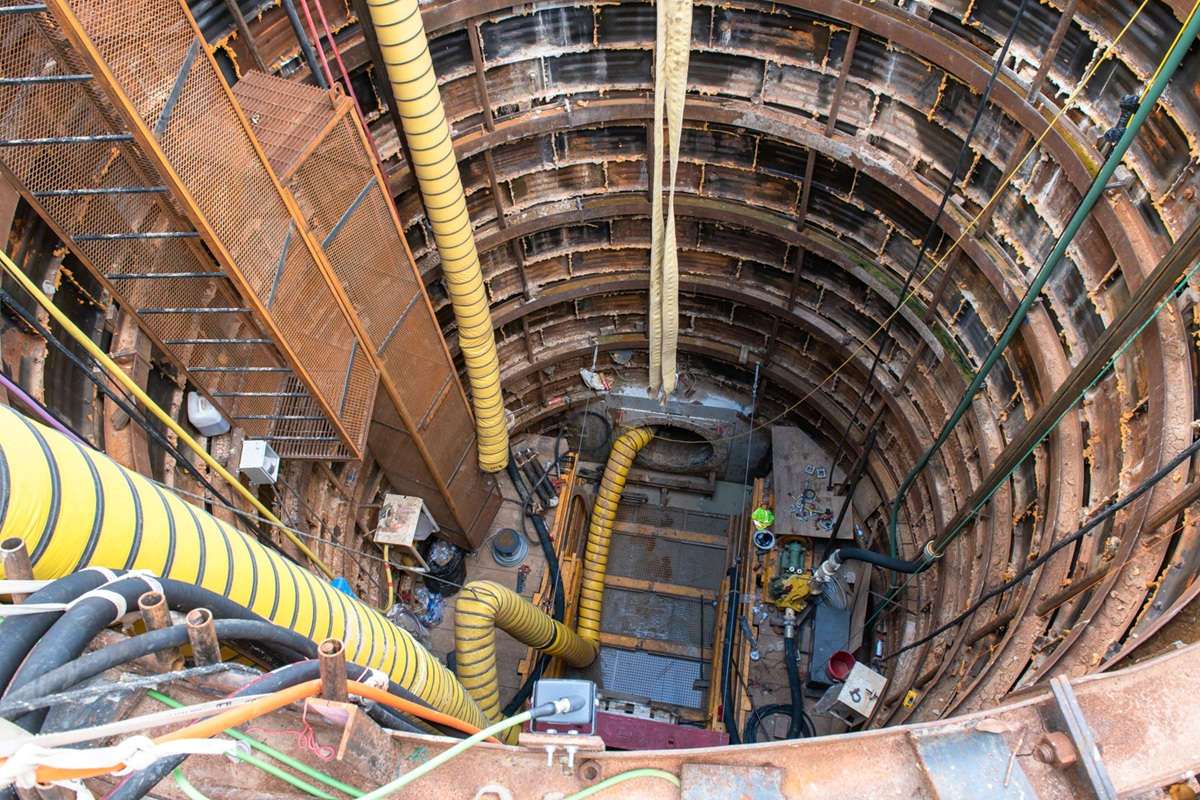
Manholes and other structures serve as critical access points for inspection, maintenance and rehabilitation of buried utilities. Their structural integrity directly impacts the performance of the entire collection system; yet they are often overlooked until failure occurs. MACP provides a standardized framework for evaluating manhole condition for informed decisions using consistent and reliable data.
MACP offers two distinct inspection levels: Level 1 and Level 2.
Level 1 Inspection
- A non-entry, surface-level assessment that captures basic condition data (sound, defective) and is ideal for an initial screening. Level 1 inspections determine if further evaluation is warranted.
Level 2 Inspection
- This more comprehensive inspection involves different techniques of inspection; either by person entry or by specialized equipment such as sidewall scanning imaging.
- Detailed documentation of manhole components enables precise defect identification and measurements to support appropriate recommendations.
- Determines manhole rehabilitation type and suitability requirements.
- A Level 2 inspection using confined space entry, can apply invasive inspections using scratch, hammer, and pH tests for surface structural integrity checks.
The MACP inspection level should match the inspection need, the condition of the structure, and the project budget.
National Plant Services, Inc, (NPS) has developed a field-based decision-making approach to assess manholes that results in cost savings as it reduces the need to re-inspect and gather more information.
Central San Case Study
This approach was recently utilized during Year 1 of NPS’ 5-year contract with Central Contra Costa Sanitary District (Central San), District Project 8443: Large Diameter Pipeline Inspection Program (which includes large diameter siphons and maintenance access structures).
Central San requested MACP inspections of all structures during the Multi-Sensor Inspections (CCTV, LiDAR, Sonar) of their interceptors. NPS proposed an approach that would inspect all manholes based on the visible condition of each structure.
The following approach was used:
- All scoped manholes would undergo, at minimum, MACP Level 1 inspections using an ESRI Survey123 electronic manhole inspection form, including component photographs.
- An MACP Level 2 inspection would be required, instead of Level 1, if one of the following criteria were observed:
- Visible concrete corrosion/loss,
- the concrete surface appeared soft when probed,
- or the visible liner material had failed.
- These level 2 inspections would be completed through confined space entry procedures.
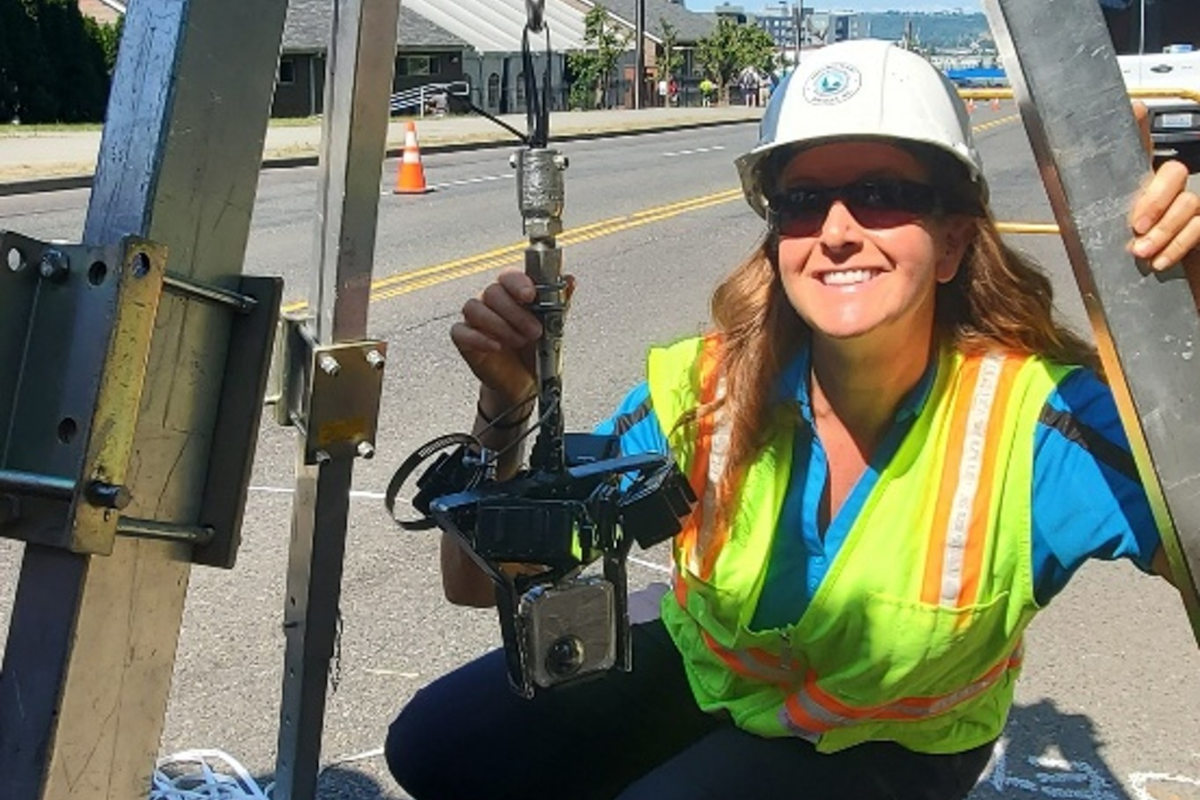
- NPS provided Central San with an option to deploy 360-degree video camera technology. However, due to technical limitations in viewing the 360-degree video files, this inspection method was not selected for the Level 2 inspections.
- Scratch, Hammer, and pH tests would be performed for concrete structures where a MACP Level 2 inspection was completed. Concrete surfaces can appear intact but can yield to minor hand pressure. Scratch and hammer tests determined if the concrete had been weakened by microbial induced corrosion. pH tests were used to verify that the scratch test had reached solid concrete (pH reading of between 9 and 10), allowing the inspector to measure the maximum depth of concrete degradation.
MACP Level 2 Results – Year 1

After the Year 1 inspection work for Central San, of the 249 manhole inspections completed, 241 were MACP Level 1 inspections, and only eight manholes required a MACP Level 2 inspection. This field-based decision-making approach to complete MACP Level 2 inspections, when necessary, resulted in a savings to the project of over $120,000.
“We appreciate this approach to manhole inspections, as it has allowed us to allocate resources efficiently by avoiding premature Level 2 inspections,” says Dana Lawson, the managing Senior Civil Engineer with Central San. “Additionally, we appreciate NPS’s collaboration in defining the data to be captured on the MACP Level 1 and 2 forms, ensuring the inclusion of structure information critical to our planning engineers.”
Michelle Beason, P.E., is with National Plant Services Inc. Christopher Mitchell is with AECOM. Both are members of the NASSCO Infrastructure Condition Assessment Committee.
Latest Posts
- In Memoriam: Leo Barbera, Trenchless Technology Pioneer

- Hinterland Group Marks 20 Years of Trenchless Infrastructure Growth
- Digital Bore Planning Drives Better HDD Decisions

- Trenchless Technology Canada – Association Updates Fall 2026

- Organizers Recap UESI Pipelines 2026 Successes, Look Forward to Louisville

Next Up
HDD Rodeo | December 2-4, 2026 | Perry, Georgia | Learn more
HDD Academy | February 18-19, 2027 | Scottsdale, Arizona | Learn more
Microtunneling Short Course | May 4-6, 2027 | Scottsdale, Arizona | Learn more
Water Finance Conference | August 3-4, 2027 | Cleveland, Ohio | Learn more