Vacuum Excavation Digs Into Construction Industry
Vacuum excavation has risen to prominence in the construction industry over the last three decades. While the basic technology hasn’t changed much in that time, its evolution has been defined by improved safety and a widening acceptance into various markets.
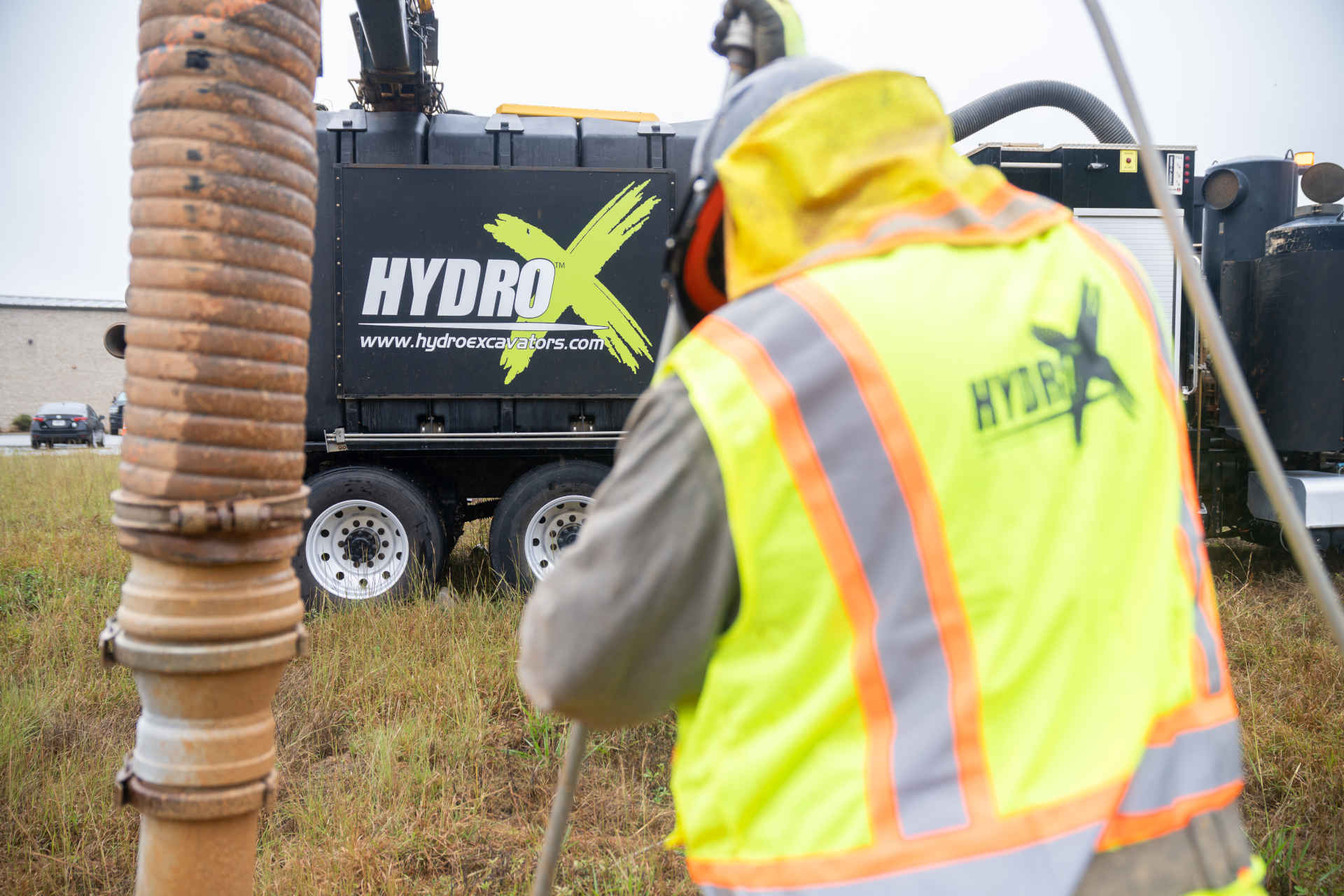
Available in either dry or hydraulic configurations, as well as truck chassis or trailer-mounted units, vacuum excavators have been adapted to perform multiple applications.
From sucking up drilling spoils to potholing for utility locates, vacuum trucks have become indispensable tools on the jobsite for trenchless contractors.
However, the technology also is popular on open-cut pipeline projects, nuclear plant construction, disaster recovery efforts, and more. They can also be used for slot-trenching to install communications cables. Furthermore, vacuum excavators’ ability to perform non-destructive digging and site cleanup applications makes them a versatile tool for the construction contractor toolbox.
Dedicated vacuum excavation trucks were developed in 1990s and started to become popular in the U.S. construction industry in the 2000s. Bill Gaff, vice president of sales and marketing for Vacuum Truck Rentals, has been involved in the industry since its infancy. He worked for a manufacturer prior to joining his current company.
“When I started, they were still taking old sewer cleaning trucks and mounting them on tractor vehicles in Canada, because nobody would build a dedicated machine,” Gaff says. “Obviously, the hydro excavation and actually the entire vacuum truck industry has grown significantly over the last 20 years.”
Gaff says a big reason for that growth is because of how regulators and project owners have embraced the idea of non-destructive and non-invasive excavation. In particular, this is true when exposing existing underground infrastructure prior to new construction activities.