
Methods, Applications & Best Practices for Using Pipe Plugs
As trenchless technology continues to reshape pipeline rehabilitation and installation, verifying that underground pipeline systems are leak-free and performing as intended is a critical part of every project. Because installed pipelines cannot be easily inspected, pressure testing is the primary way to confirm a system is leak-free and ready for service.
Using the right pipe plugs during pressure testing helps contractors ensure system integrity, identify leaks or defects, meet municipal requirements, and avoid costly rework. Following proper testing procedures and using reliable equipment also improves safety, accuracy, and overall project efficiency.
Leak testing serves as the final quality assurance step for trenchless rehabilitation and new pipeline installations. While CCTV inspections provide valuable visual information, they cannot always identify hidden defects, such as compromised liners, failed joints, or infiltration pathways.
Pressure testing verifies that a pipeline can maintain the required pressure while meeting project specifications. It also provides documented performance evidence, often required by municipalities, state departments of transportation, and water authorities, before a pipeline can be approved for service.
Without pressure testing, contractors risk returning a defective system to service, potentially leading to infiltration, exfiltration, or premature system failure.
Testing Methods & Pipe Plug Applications
Low-pressure air testing is one of the most common methods used in gravity sewer applications.
Contractors may use integrated air testing systems that allow plugs to be tethered and repositioned within the pipeline.
When a test section fails, these systems allow contractors to progressively move the plugs down the pipeline to isolate smaller sections. This helps pinpoint the location of a leak without excavating or retesting the entire pipeline, reducing troubleshooting time and unnecessary rework.
During testing:
- Isolate a section of pipe using plugs at each end.
- Pressurize the line according to the manufacturer’s specifications.
- Monitor for pressure drop to identify potential leaks or defects.
- Confirm the condition of the test section.
Depending on the application, contractors may use different types of plugs, including:
- Pneumatic mechanical plugs plugs for most standard testing applications.
- Bypass (flow-through) plugs for live lines where dewatering is not possible.
- Mechanical gripper plugs for precision, end-of-pipe applications.
Equipment in Action
Miller Underground owns an assortment of plugs that accommodate the varied pipe sizes it works with. Alongside the plugs, they use an Air-Lok Low-Pressure Air Testing Control Panel during testing to observe compressor pressure, plug pressure, and test pressure.
Blocking plugs provide a reliable method for temporarily halting wastewater flow, which is essential for various sewer system operations. This enables the inspection team to thoroughly and accurately assess sewer line conditions without disruption, ensuring detailed and accurate diagnostics that inform maintenance or repair recommendations.
Following an inspection, plugs are also employed during sewer maintenance to remove debris or obstructions from the sewer networks. These plugs help isolate sections of the sewer for targeted cleaning and maintenance, ensuring that the rest of the system continues to function smoothly.
In Toronto
Miller Underground used Cherne’s 6- to 10 in. pneumatic I-Series Test-Ball Plug for air pressure testing as part of the Port Lands Flood Protection Project in Toronto. This project entailed creating a naturalized river valley, constructing new public spaces, roads, bridges, and utilities, as well as installing structures to regulate water flow and handle sediment and debris.
Blocking, bracing, and anchoring are essential safety practices when pipe plugs are in service, particularly during low-pressure air testing. Poly lift lines can be used as part of the anchoring system to help secure the pipe plug during testing.
Inflated pipe plugs under pressure represent a stored-energy hazard, making proper safety protocols critical for protecting workers and maintaining reliable testing procedures.
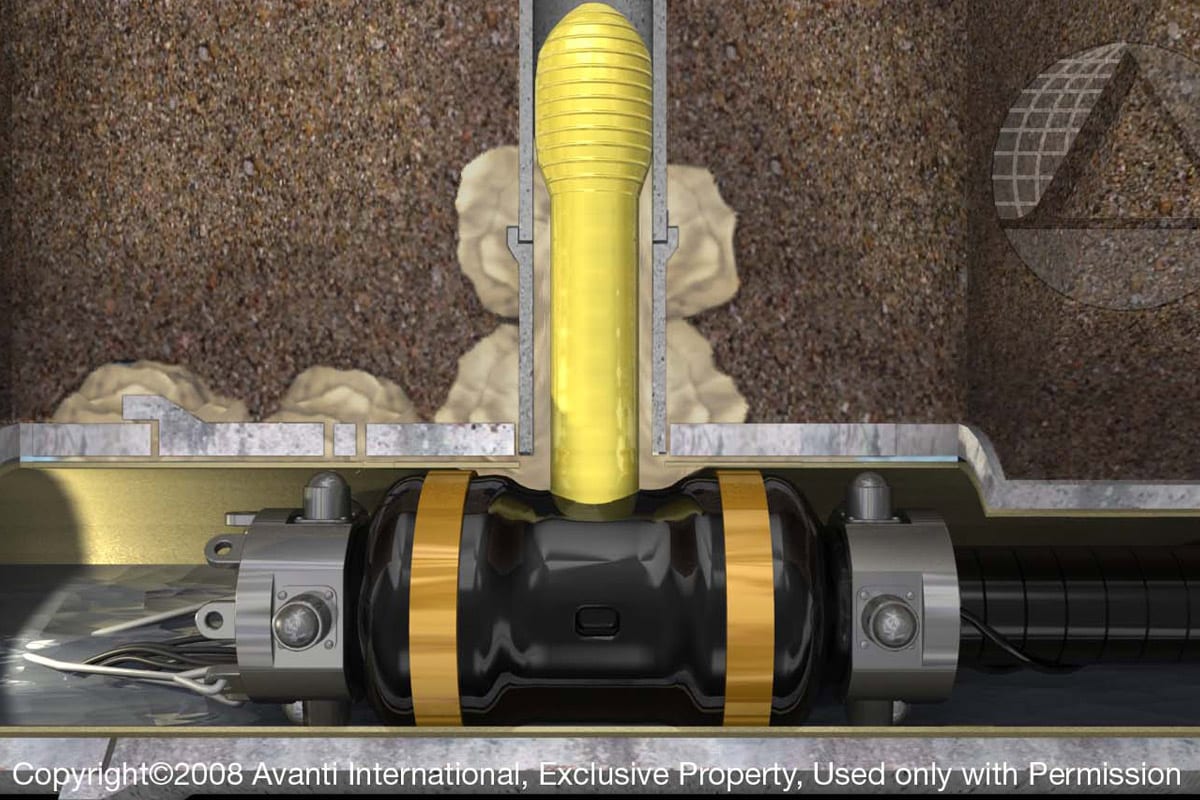
For projects requiring continuous flow during testing, bypass pipe plugs provide reliable isolation while allowing wastewater to pass through the pipeline. Bypass pipe plugs are also used to block a pipeline during new installations and trenchless repair when effluent needs to be temporarily redirected.
In Chicago
As part of a major Chicago-area infrastructure rehabilitation project, Airy’s Inc. helped redirect wastewater flow so crews could install a CIP liner within more than 14,000 ft of deteriorating 60-in. sewer pipe. The contractor used Cherne Muni-Ball pneumatic plugs in multiple sizes to block and bypass the sewer safely, eliminating the need for workers to enter the pipe.

Proper Pipe Plug Selection
Choosing the correct pipe plug is essential for both testing accuracy and jobsite safety. Consider the following factors when selecting equipment:
- Actual inside pipe diameter rather than nominal pipe size.
- Pipe material and whether rehabilitation has altered the interior dimensions.
- The maximum differential pressure required for the test.
- Whether testing will occur on an active line requiring bypass flow.
- Flow volume requirements for bypass applications.
Improper plug selection can create false failures or false passes. Undersized plugs may shift or lose their seal under pressure, while oversized plugs may deform, resulting in inconsistent sealing performance.
Over-inflating beyond the manufacturer’s rated pressure can permanently damage the plug while increasing safety risks.
Safety & Testing Consistency
Modern pipe plug technology has improved safety, consistency, and productivity on the jobsite. Safety features, such as integrated anchor harnesses and pressure relief valves, help reduce the hazards posed by stored energy in inflated plugs.
Manufacturing advancements have also improved testing consistency. Robotically manufactured plugs made from premium natural rubber and mechanically bonded end plates provide consistent seating force and expansion characteristics, helping eliminate equipment variability during testing.
In addition, integrated testing systems that combine triple hose assemblies with control panels reduce setup time while minimizing configuration errors.
Pipe Plugs provide dependable sealing performance for municipal pipeline testing, while test pumps and compatible testing accessories help streamline setup, reduce configuration errors, and support consistent pressure testing results.
Identifying Leaks and Defects
Pressure testing with pipe plugs helps identify defects that may not be visible during camera inspections alone. By isolating a section of pipe with plugs, contractors can perform infiltration testing to measure groundwater entry and determine whether allowable leakage rates have been exceeded.
Pressure testing is also effective for identifying issues following cured-in-place pipe (CIPP) rehabilitation, such as annular gaps around lateral reinstatements that may not be visible on CCTV inspections but can be detected under pressure.
In addition, smoke testing within an isolated, pressurized test zone can help locate active infiltration paths at joints, service connections, and manhole walls. Relying on pressure testing alongside visual inspection helps ensure hidden defects are identified before a pipeline is returned to service.

Common Testing Mistakes
Even experienced contractors can experience testing issues when basic procedures are overlooked. Common mistakes include:
- Skipping routine equipment inspections.
- Using worn or damaged pipe plugs.
- Selecting plugs based on nominal rather than actual pipe diameter.
- Failing to anchor inflatable plugs properly.
- Exceeding recommended inflation pressures.
- Beginning testing before the pipeline has stabilized.
- Relying solely on CCTV inspection without performing pressure testing.
Avoiding these mistakes improves testing accuracy while helping maintain a safer jobsite.
Latest Posts
- Trenchless Technology Canada – Association Updates Fall 2026
- Organizers Recap UESI Pipelines 2026 Successes, Look Forward to Louisville

- Rädlinger Primus Line Hosts Partner Days 2026

- MaxLiner Expanding U.S. Distribution Network

- Advantage Directional Drilling Delivers Precision on Deep Creek HDD
Next Up
HDD Rodeo | December 2-4, 2026 | Perry, Georgia | Learn more
HDD Academy | February 18-19, 2027 | Scottsdale, Arizona | Learn more
Microtunneling Short Course | May 4-6, 2027 | Scottsdale, Arizona | Learn more
Water Finance Conference | August 3-4, 2027 | Cleveland, Ohio | Learn more