The Evolution of AI in Sewer Inspection Software/Systems
Then & Now: From VHS to AI in the Cloud
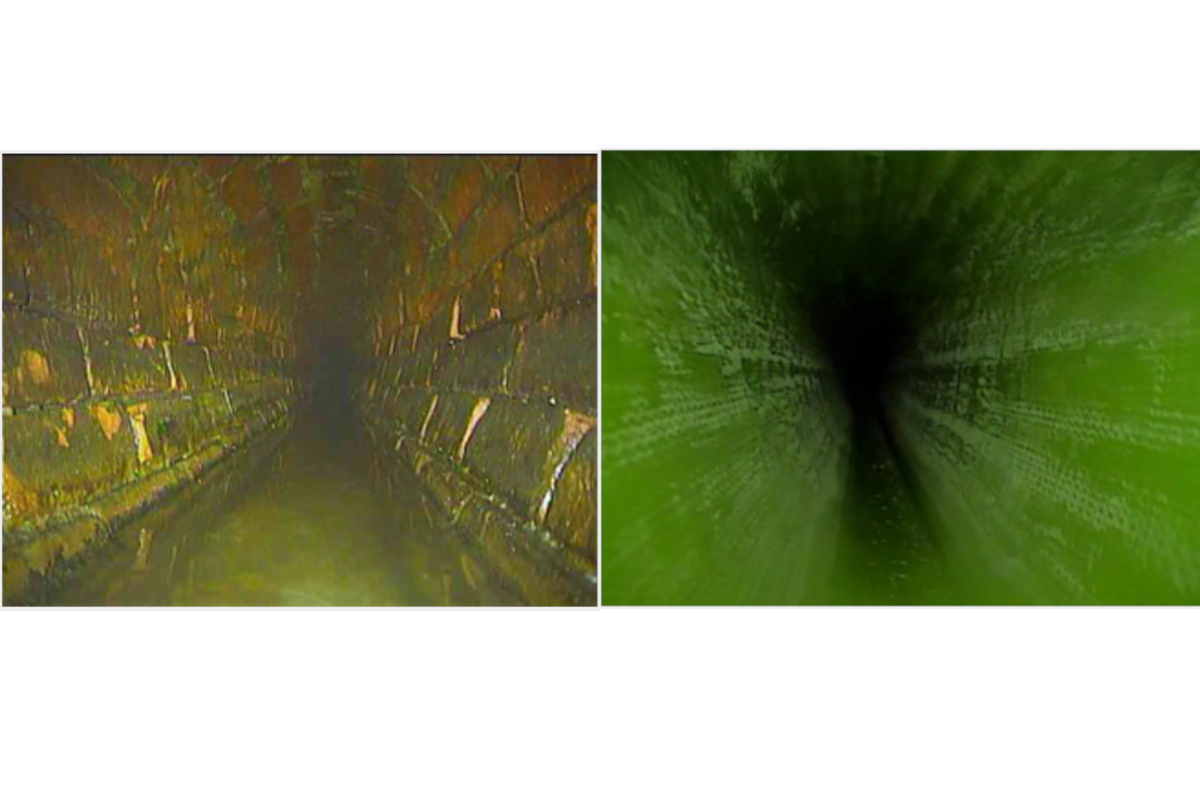
Thirty years ago, sewer inspections looked very different. It meant a truck in the field, a camera in the pipe, and a VHS recorder running in the background. Operators manually steered the crawler. Meanwhile, they watched the feed on a small monitor while calling out defects into a microphone. They also scribbled notes on a clipboard.
Starting in 2002, the industry saw the adoption of the Pipe Assessment Certification Program (PACP). The National Association of Sewer Service Companies (NASSCO) implemented PACP and continues to support it. This workflow, though state-of-the-art at the time, was still slow, subjective and dependent on each individual operator’s training and attention to detail. Even with the adoption of PACP, Lateral Assessment (LACP), and Manhole Assessment (MACP) standards, coding consistency remained a challenge. DVDs replaced VHS. Then, external hard drives replaced DVDs. However, the fundamental process — capture, transfer, review, code — remained manual and labor-intensive.
To share results, hard drives and discs were literally driven across town. Every review was performed in real time, defect by defect. This came with all the subjectivity and fatigue that comes from hours of continuous footage. Rehabilitation plans often took months to produce. By the time decisions were made, the data was already stale.
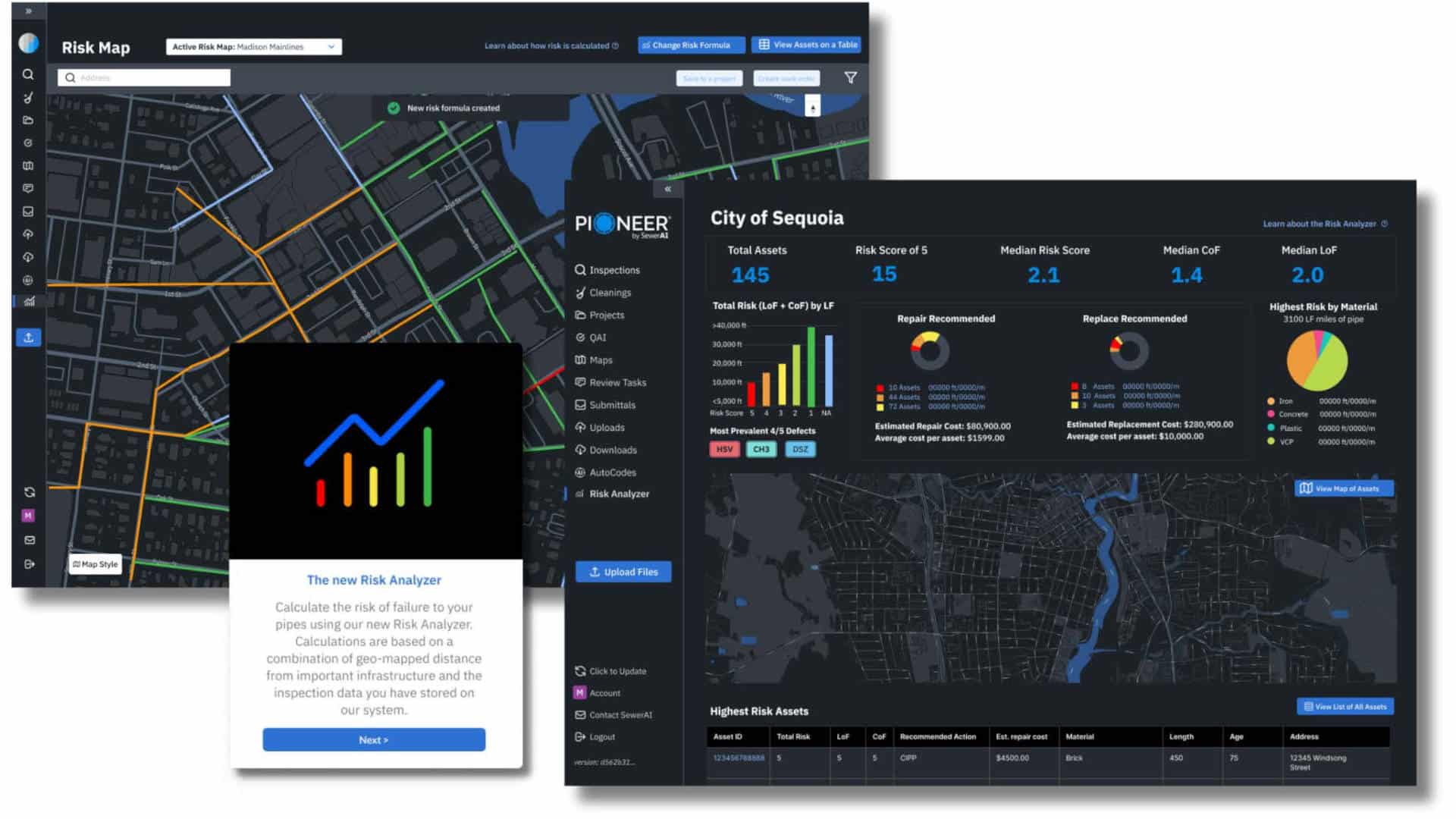
Today, AI-powered, cloud-based inspection platforms can automatically code defects, flag high-risk assets, and sync results to GIS in near real time. Footage captured in the field is instantly available to engineers, managers and contractors anywhere. What once took weeks in back-and-forth communication now happens instantly. As a result, this transforms how utilities plan, prioritize and defend their infrastructure decisions.
Latest Posts
- Macomb County Uses Spiral Wound PVC to Renew 15-Mile Interceptor

- Trenchless Technology Canada Roundtable 2026
- City of Newark Goes Trenchless to Repair Historic Pequannock Aqueducts
- NUCA Convenes in Tucson for 2026 National Convention
- Product Showcase – Denso Archco 456

Next Up
2026 Microtunneling Short Course | May 5-7, 2026 | Scottsdale, Arizona | Learn more