Reducing Your Carbon Footprint with Spiral Wound Pipe
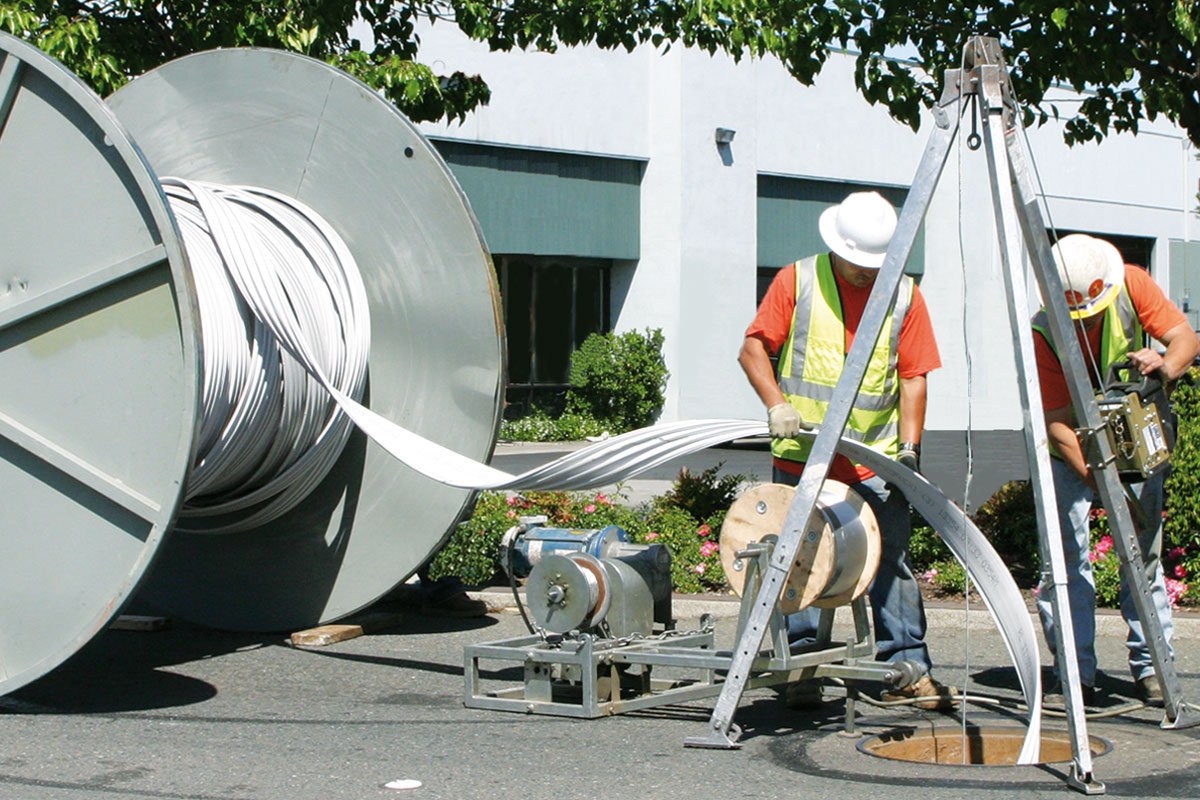
Spiral wound pipe rehabilitation, as a trenchless technology method, offers significant environmental benefits. It reduces the carbon footprint associated with pipeline infrastructure projects. This article will delve into the specific ways in which spiral wound pipe rehabilitation helps mitigate environmental impact. Additionally, it contributes to a greener future.
Minimized Excavation and Land Disruption
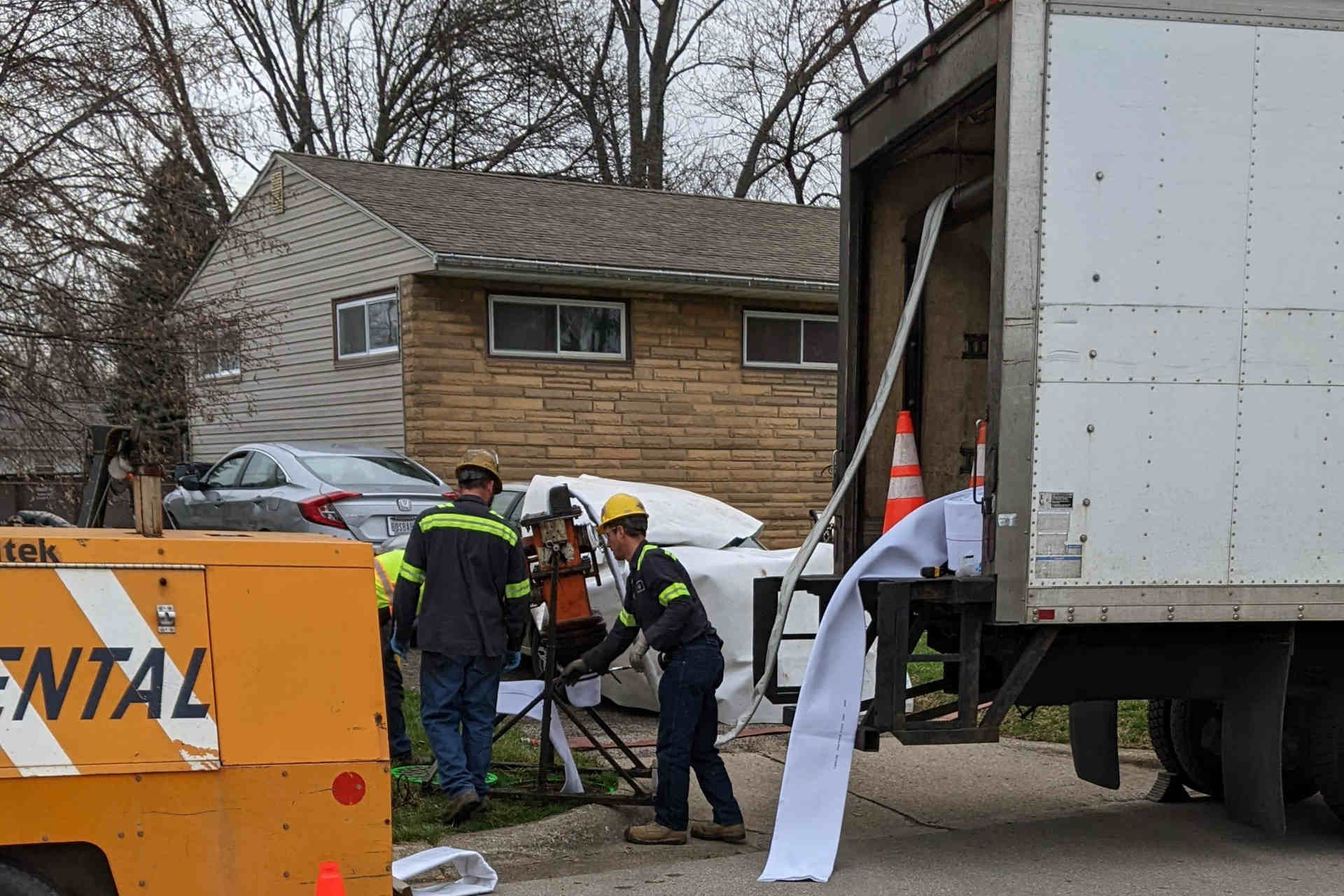
One of the key environmental advantages of spiral wound pipe rehabilitation is the minimal need for excavation. Unlike traditional dig-and-replace methods, spiral wound rehabilitation requires less digging. This reduces land disturbance and preserves the natural landscape. For example, the installation process for SEKISUI SPR material is a mechanical process that does not require the use of any chemicals. This approach helps protect ecosystems, minimize habitat disruption, and conserve biodiversity in the project area.
Reduced Material Consumption
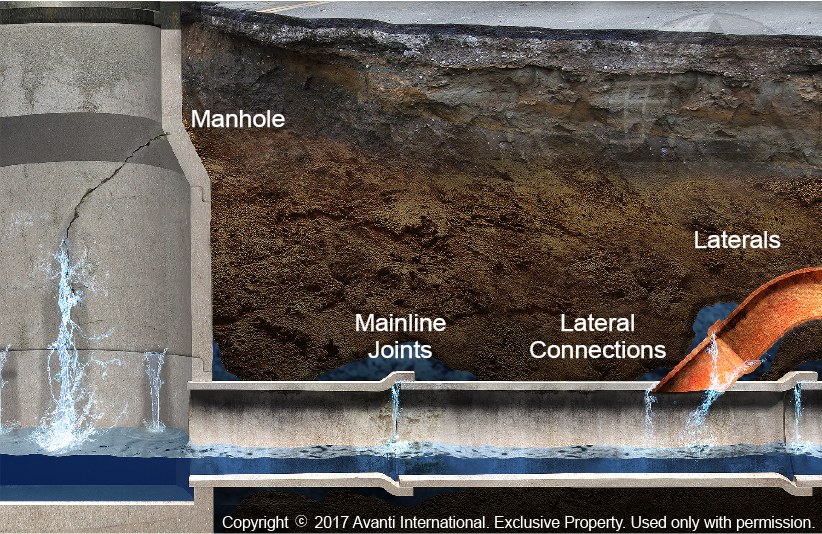
By rehabilitating existing pipelines rather than replacing them entirely, spiral wound pipe rehabilitation reduces the demand for new construction materials. This reduction in material consumption leads to fewer resources extracted, processed, and transported. It thereby minimizes associated energy consumption and carbon emissions. Additionally, it helps divert waste from landfills by extending the lifespan of the existing pipeline infrastructure.
Read more of this story by downloading the 2025 Pipe Relining Guide here.
- 2026 Horizontal Directional Drill Rig Specs
- Product Showcase – CETCO HYDROGROUT-EZ

- Groupe ALLEN Joins Pomerleau

- Failure Analysis of Drill Rod Fracture During Large-Diameter HDD Pipeline Reaming
- No-Dig North 2026 Preview – Heading to Calgary

Next Up
HDD Rodeo | December 2-4, 2026 | Perry, Georgia | Learn more
HDD Academy | February 18-19, 2027 | Scottsdale, Arizona | Learn more
Microtunneling Short Course | May 4-6, 2027 | Scottsdale, Arizona | Learn more
Water Finance Conference | August 3-4, 2027 | Cleveland, Ohio | Learn more