How to Extend the Life of Your CIPP with Thermoplastic Polyurethane (TPU)
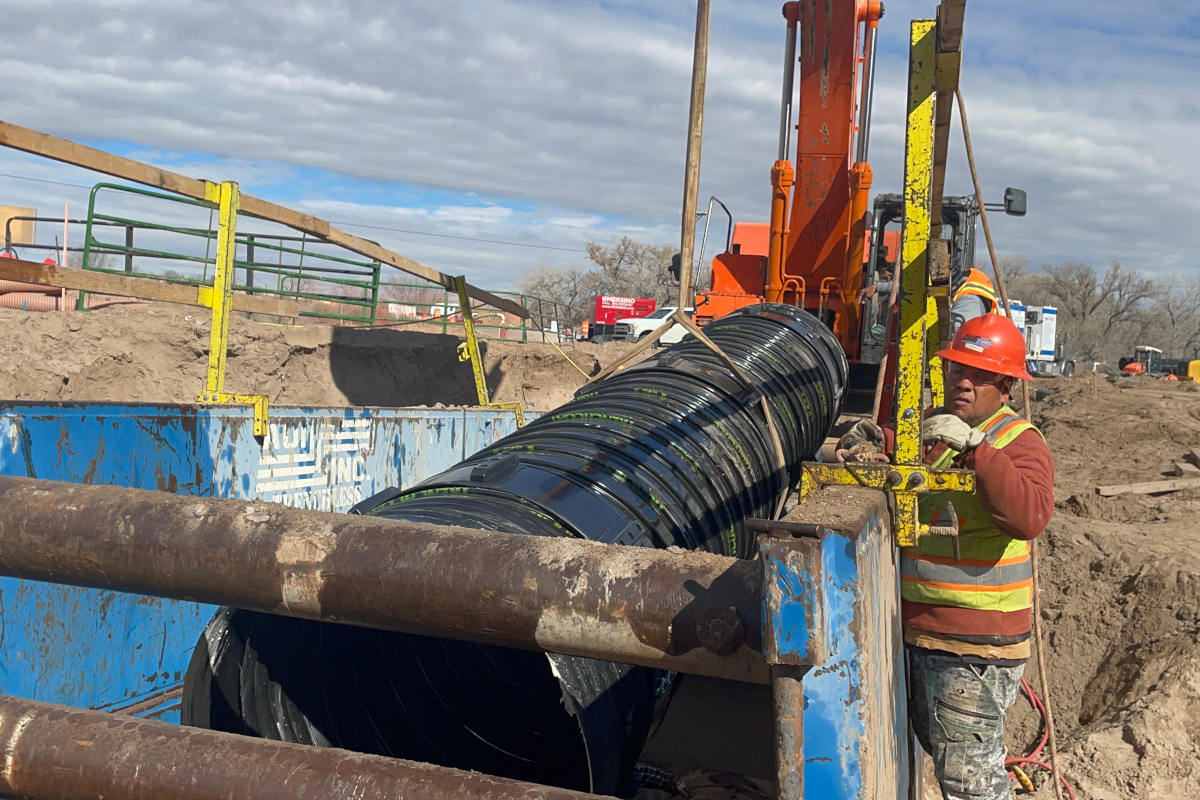
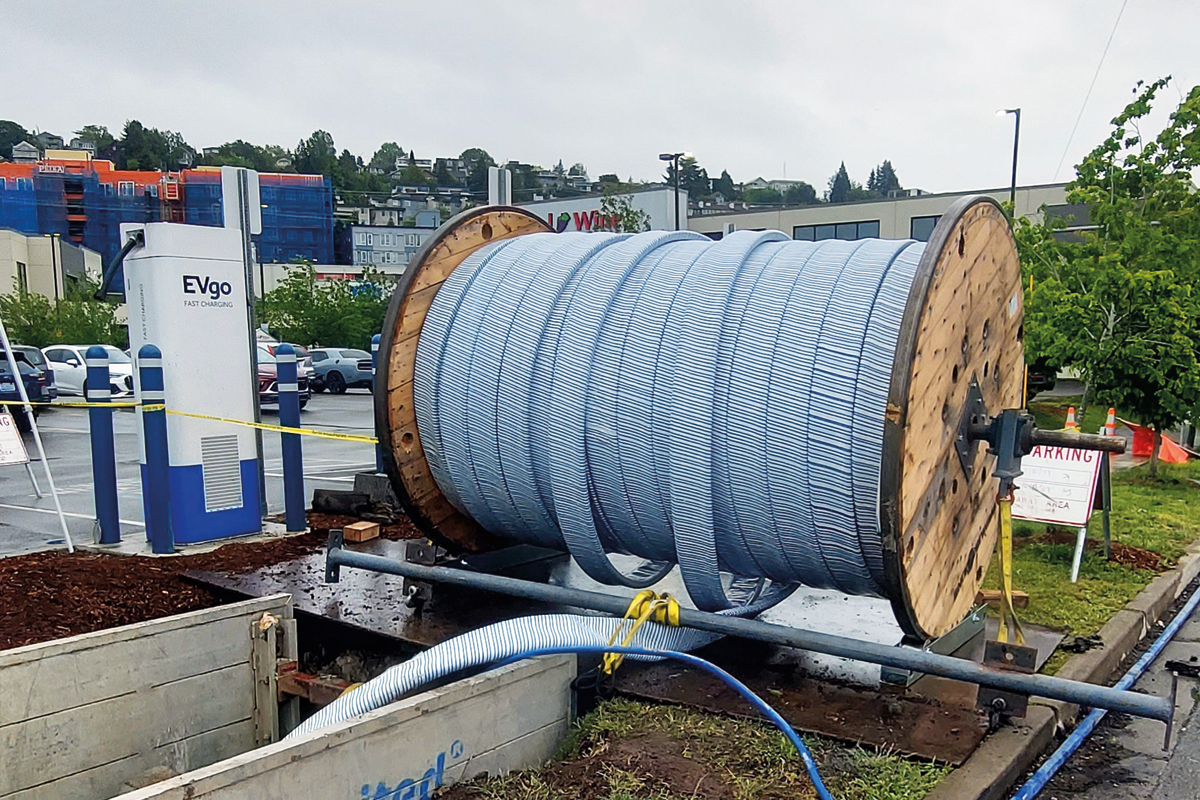
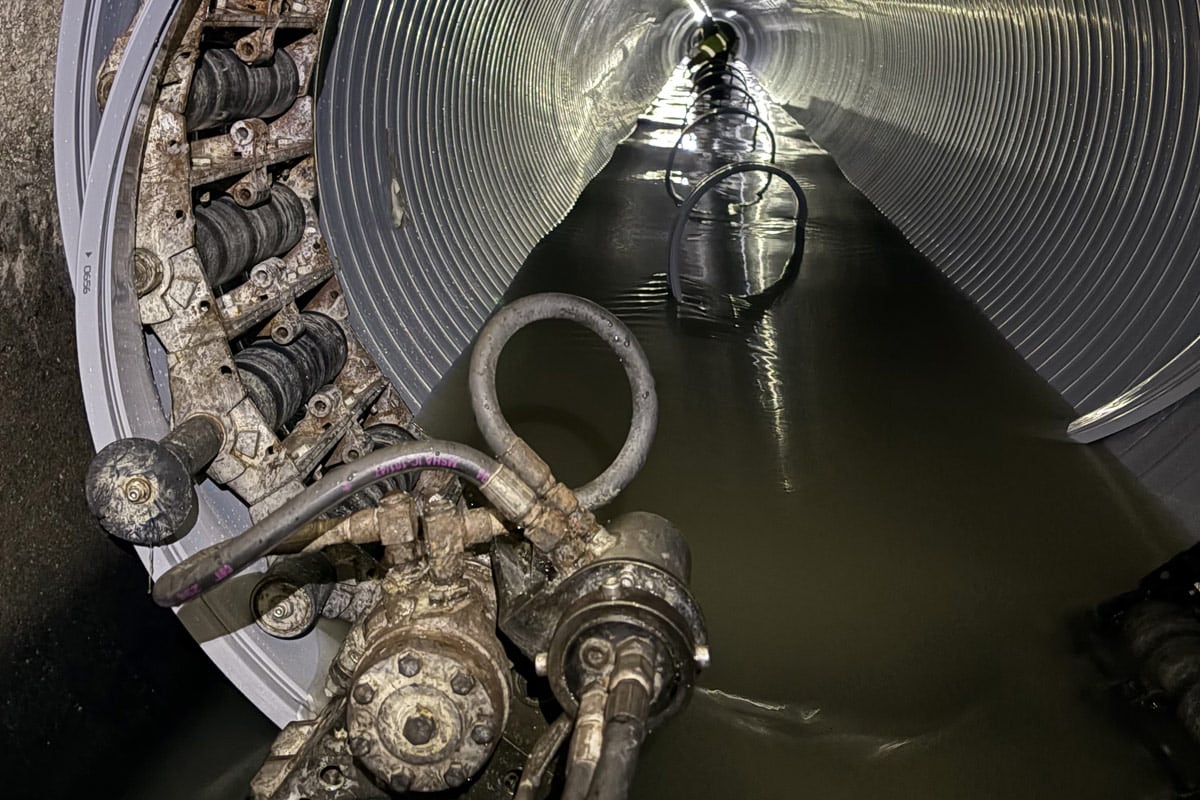
Cured-in-place-pipe (CIPP) technology was introduced in 1971 by the late Eric Wood, founder of Insituform Technologies (now a subsidiary of Aegion Corporation). This innovation marked the beginning of a fundamental shift in how municipalities and contractors rehabilitate buried infrastructure. As this industry matured, new coating and lining materials entered the space to improve installation reliability and service life. Thermoplastic polyurethane (TPU) has become a highly valued material in the field of trenchless pipe rehabilitation thanks to its exceptional properties and versatility. Read on to learn how TPU can extend the life of your CIPP installation.
The Role of TPU in CIPP
While there are several choices for CIPP lining materials, TPU excels in several key performance areas, with Lubrizol’s ESTANE® TPU leading the way. TPU bridges long-term pipeline reliability with real-world performance, helping to extend the life of CIPP application and maximize your investment.
• Durability: TPU imparts both abrasion and puncture resistance to the finished CIPP product. TPU’s excellent mechanical properties ensure durability during installation and long-term service.
• Flexibility: The inherent flexibility of TPU allows liners to stretch, conform, and navigate through diameter variations, offsets, and bends. TPU also maintains flexibility at low temperatures, enabling easy storage and installation where other materials may crack or stiffen.
• Chemical Resistance: TPU resists oils and chemicals commonly found in wastewater and sewer systems, helping to extend the liner’s lifespan.
• Sealing Performance: TPU can be used to seal sewn seams during liner fabrication, producing airtight and watertight bonds. This seamless barrier offers a significant advantage over traditional materials prone to leakage.
• Adhesion: TPU bonds effectively to resin-absorbent felt, supporting strong adhesion between layers and improving overall system integrity after curing.
• Easy on-site Repair: Accidental liner damage during installation is not uncommon. TPU simplifies on site repair by using solvents, heat, or tape, making field fixes faster and more reliable compared to alternative materials.
• Environmental and Regulatory Benefits: TPU is recyclable* at the end of its service life, supporting sustainability goals. Its resistance to biological growth, chemicals, and UV radiation extends pipe lifespan and reduces maintenance. TPU-based CIPP liners often comply with stringent regulatory standards for potable water and wastewater applications due to their non-toxic nature and reliable leak-proof seals.
• Specific Gravity (SG) Advantage: Although TPU has a higher density than some competing materials, it delivers greater mechanical strength per mil of thickness. This allows manufacturers to achieve equal or better performance with approximately 25% less coating thickness, reducing total material usage while maintaining dimensional stability.
• Pressure Management: The TPU film layer is crucial for containing uncured resin and maintaining consistent pressure against host pipe walls during the curing process.
• Thermal Stability: TPU’s high melting point (~145°C/293°F) enables the use of hot water and steam throughout a range of pipe thicknesses. Its thermal stability ensures it maintains its properties during curing, so the finished liner adheres well and performs reliably over time.
• Kink Resistance and Crazing Prevention: TPU’s low glass transition temperature (down to −70°C) minimizes kink formation and reduces crazing under tensile stress—issues that can compromise liner performance over time.
• Improved Styrene Barrier Properties: Lubrizol’s new co-extruded TPU technology has demonstrated 50 times reduction in styrene permeation compared to current systems, while maintaining the performance benefits.
Conclusion
The adoption of TPU in CIPP technology represents a significant advancement in pipeline rehabilitation. Its combination of mechanical strength, chemical resistance, flexibility, and environmental compatibility makes it an ideal material for modern infrastructure needs. As trenchless technologies continue to evolve, TPU based systems, especially those engineered with Lubrizol’s ESTANE® TPU, offer reliable, sustainable, and long-lasting performance.
Lubrizol’s ESTANE TPU delivers all the advantages you need for CIPP, backed by the deep technical expertise of our team. With our comprehensive approach to customer service and product specification, you will gain value that goes far beyond high quality solutions. Connect with our team to learn more about how ESTANE TPU can extend the life of your CIPP systems: https://go.lubrizol.com/Estane58000
*Recyclability is based on access to a readily available standard recycling program that supports such materials. Products may not be available in all areas.