Macomb County Uses Spiral Wound PVC to Renew 15-Mile Interceptor
In Michigan, the Macomb County 15-Mile Interceptor is a major component of its wastewater system. It runs approximately seven miles beneath 15-Mile Road and ranges from 60 in. to 96 in. in diameter. As the system continues to age, the County faced a familiar challenge shared by utilities nationwide. The challenge was how to extend the life of critical conveyance infrastructure without shutting down traffic, excavating deep corridors, or interrupting service to thousands of residents.
For its Segment 6, Phase 2, work, the County contracted Ruby-Collins Inc. to rehabilitate approximately 4,400 ft of 60-in. RCP located 30 ft below grade on average. The project demanded a trenchless method able to withstand continuous flow, limited access, winter temperatures, and strict safety requirements.
To meet these constraints, the team selected the Sekisui Spiral Wound PVC (SPR) system. This is a trenchless lining technology offering minimal surface footprint, no curing requirements, and reliable performance in wet environments.
Existing Conditions and Technical Constraints
Deep Alignment and Structural Wear
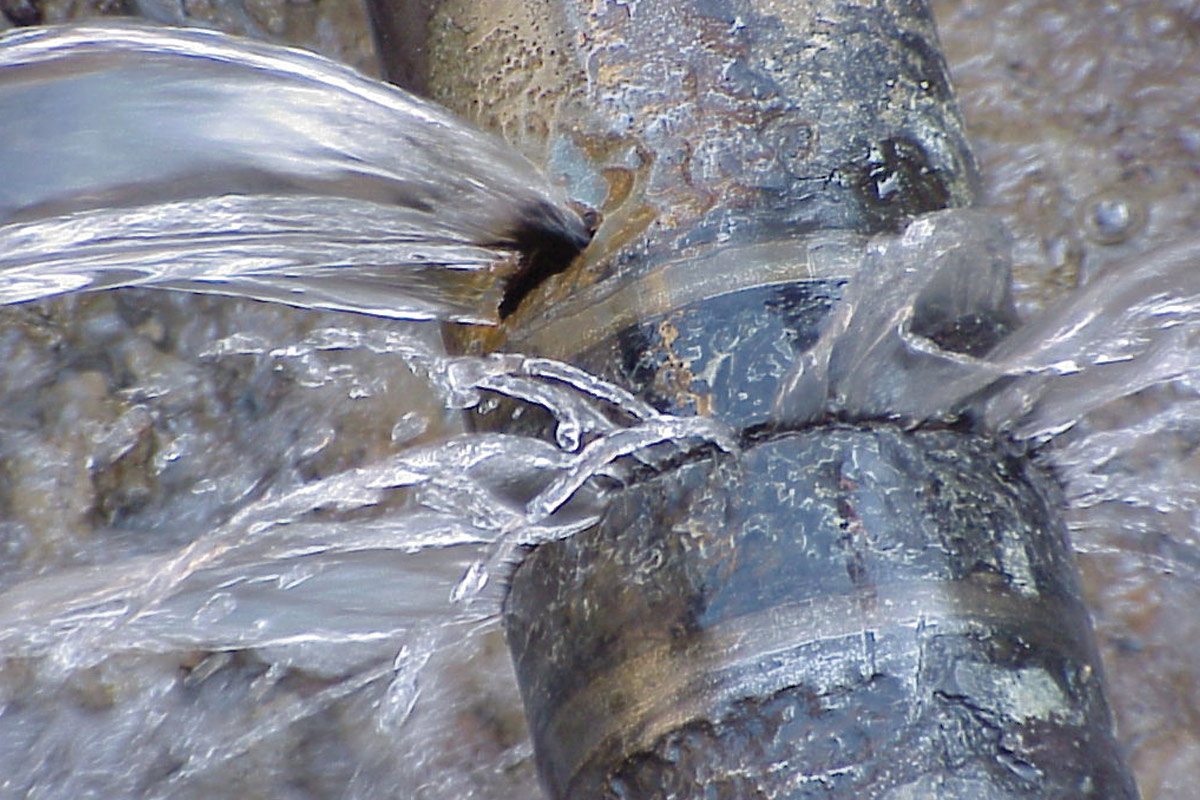
The host pipe exhibited typical deterioration for a deep, decades-old interceptor. These included infiltration around joints, surface corrosion, and a reduced structural safety factor. After recent encounters with developing sinkholes related to the sewer system leading to failures, the county wanted to avoid any potential future issues. Open-cut replacement and slip lining were eliminated early due to the depth of burial, dewatering impacts, the need to maintain 15-Mile Road in service throughout construction, and overall construction costs.
Flow Variability
The interceptor typically flows at 50 percent capacity under dry-weather conditions, with the potential for rapid surges during wet weather conditions. A full bypass would have been prohibitively complex and disruptive. While the flow cannot be bypassed above ground, the county has the ability to divert the majority of the flow. This diverted flow can be stored for short periods of time.
Cold-Weather Material Behavior
Detroit-area winter conditions presented additional complexity. PVC materials can become brittle in freezing temperatures. Uncontrolled exposure could lead to cracking during winding, making temperature control a non-negotiable engineering requirement.
Why SPR Was Selected
Minimal Surface Disruption
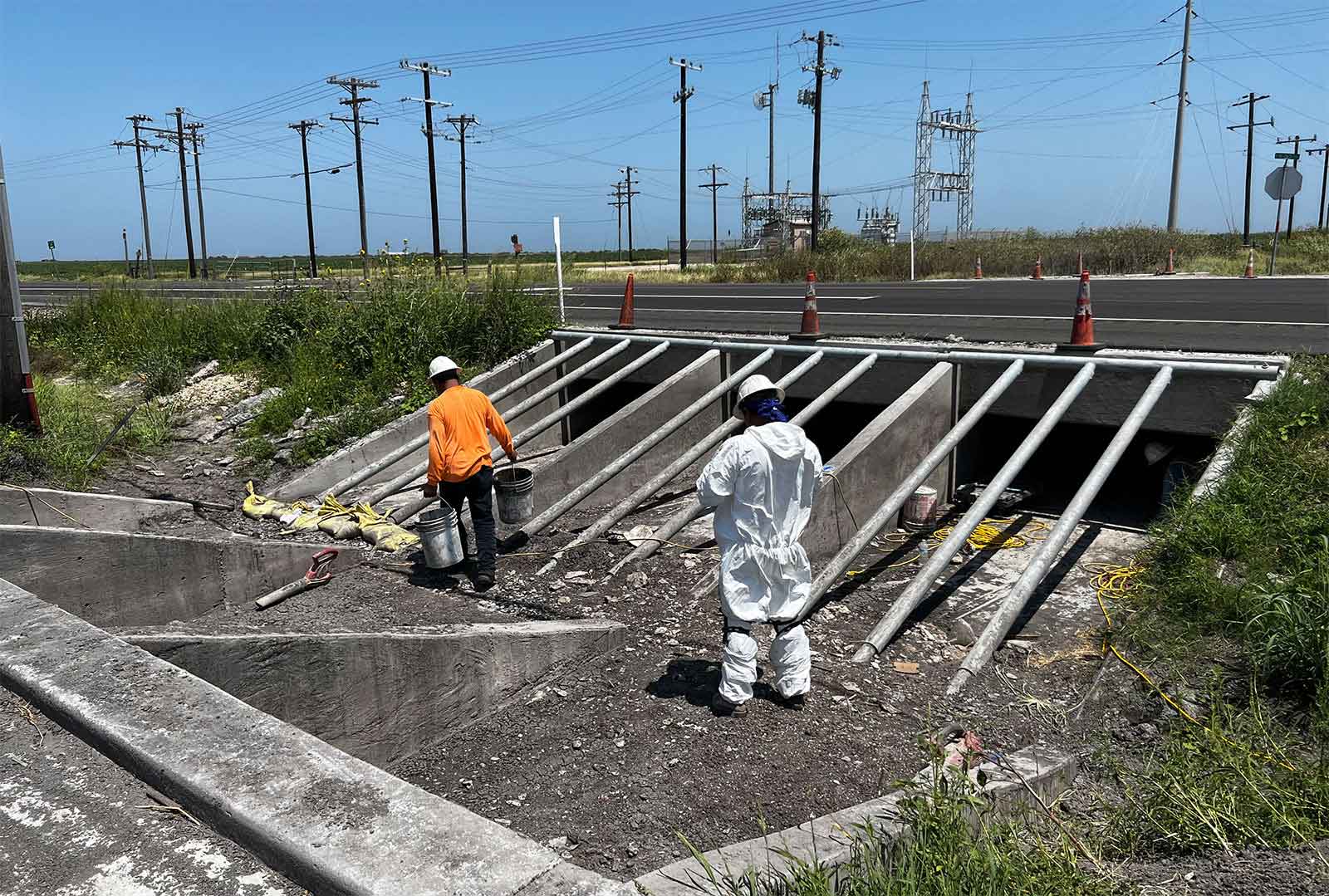
The winding machine used for SPR installation can break down to fit through standard manhole openings in sectional components. This allows assembly of the guide frame entirely within the host pipe. The above-ground footprint includes:
• A hydraulic power pack
• A portable generator
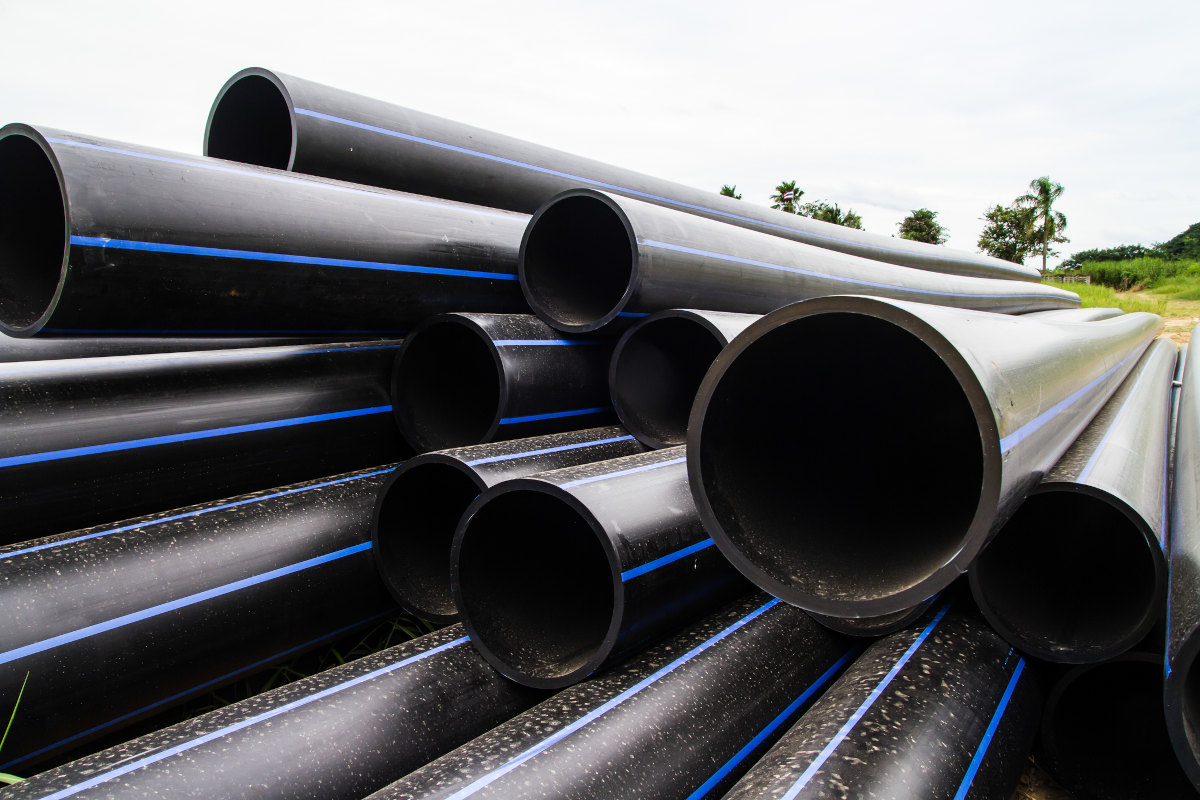
• A 7-ft diameter profile spool
This setup allowed Ruby-Collins to operate using rolling single-lane closures, maintaining continuous traffic flow.
Structural Capacity
The PVC liner functions as a structural renewal system, capable of Class A (fullydeteriorated) or Class B (partially-deteriorated) performance depending on the design. The system provides:
• High modulus of elasticity
• Corrosion resistance to sanitary wastewater
• Uniform wall thickness with no cure variability
• Reliable long-term buckling resistance
Combined with cellular grout backfill, the liner forms a composite system designed to support overburden loads at 30-ft depth.
Live-Flow Operation
Because SPR requires no curing, resin or a dry pipe, the method tolerates:
- Typical install flow depths up to one-third of the pipe diameter
- Temporary inundation during flow surges
- Installation pauses without equipment damage
This feature was critical to the County’s requirement to avoid bypass pumping.
Installation Process
Machine Assembly Within the Pipe
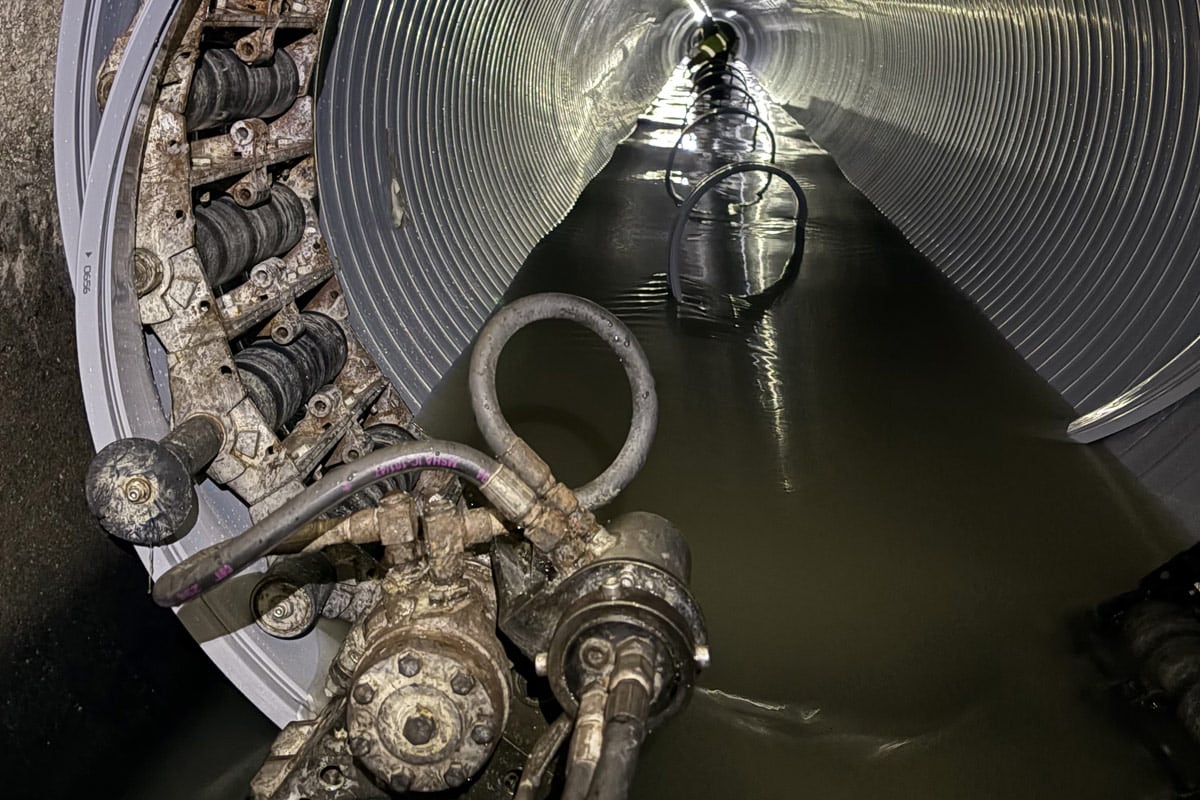
The TM guide frame is lowered into the manhole in sections and assembled within the pipeline. The bicycle chain-like system of rollers allows precise adjustment of winding diameter, maintaining tension and roundness as the PVC strip is locked into place. Once assembled, the PVC profile is fed from the spool above ground down into the machine from one end of the line segment. Meanwhile, the hydraulic lines from the power pack are fed through the opposite end to power the machine.
Managing PVC Temperature in Freezing Conditions
To prevent temperature-related failure, Ruby-Collins constructed heated, insulated containment tents around the surface spool. This ensured:
• PVC remained pliable during deformation
• Mechanical locks engaged fully
• No fracture risk during winding
• Predictable performance throughout shifts
This measure proved essential during installations where surface temperatures dropped below freezing.
Operating Under Partial Flow
Although crews can operate under moderate flow, installation requires careful monitoring. Once winding begins, the machine rotates and traverses through the pipeline while the PVC profile is formed into the new liner as it locks back on itself.
Because the SPR machine tolerates full submergence, crews could safely leave it in place for incoming flood events or at the end of the shift. This is helpful when normal flows must be released back into the line. Once water levels receded, the machine required minimal cleaning before resuming winding.
Grouting and Structural Integration
Following completion of each lined segment, the team installed temporary bracing to counter buoyancy forces. The annular space — averaging 4 in. — was then filled with high-strength cellular grout, modified to approximately 500 psi to withstand the significant hydrostatic loading at 30-ft depth.
The grout serves several engineering functions:
• Transfers soil and live loads from the host pipe to the new liner
• Minimizes deflection under surcharge
• Eliminates voids that can lead to groundwater movement
• Enhances composite stiffness of the renewed pipe system
Although the liner reduced the host pipe’s internal diameter slightly, the smooth PVC surface significantly reduces friction. This results in equal or improved hydraulic capacity compared to existing conditions.
Engineering Outcomes
The SPR system delivered the following performance results for Macomb County:
• A renewed 50-year minimum service life
• Structural rehabilitation without bypass pumping
• Continuous traffic operation on 15-Mile Road
• Reliable installation through various weather conditions
• Maintenance or improvement of hydraulic capacity
• Reduced construction footprint and community impact
For municipalities balancing aging infrastructure and limited excavation tolerance, this project demonstrates the suitability of spiral wound PVC for deep, large-diameter rehabilitations.
Conclusion
Due to the overall success of this project, an additional 8,400 lf was added to the scope that is currently underway. The Macomb County 15-Mile Interceptor project serves as a strong technical case study for using spiral wound PVC lining in challenging conditions — deep burial, live flow, cold weather, and constrained access. Ruby-Collins’ execution highlights how trenchless engineering, material science, and operational planning intersect to deliver long-term infrastructure resilience. This process minimizes community disruption.
As utilities nationwide confront similar challenges, SPR technology provides a scalable, constructible, and hydraulically robust solution for renewing major wastewater corridors.
Jon Cook is senior project manager at Ruby-Collins.