How to Keep Your Pipe Inspection System Clean and Working Like New
After servicing pipeline inspection equipment for decades, one of the most common causes of long-term damage is dirty, poorly maintained equipment. Contractors and municipalities invest in high-quality inspection systems, but without consistent care, they often fail to achieve the full expected lifespan of their equipment.
Pipeline inspection robots are not simple tools. They are complex mechanical and electronic systems designed to operate in some of the harshest environments imaginable. Exposure to wastewater, debris, and corrosive conditions is unavoidable, which makes routine cleaning and maintenance an essential part of ownership rather than an optional task.
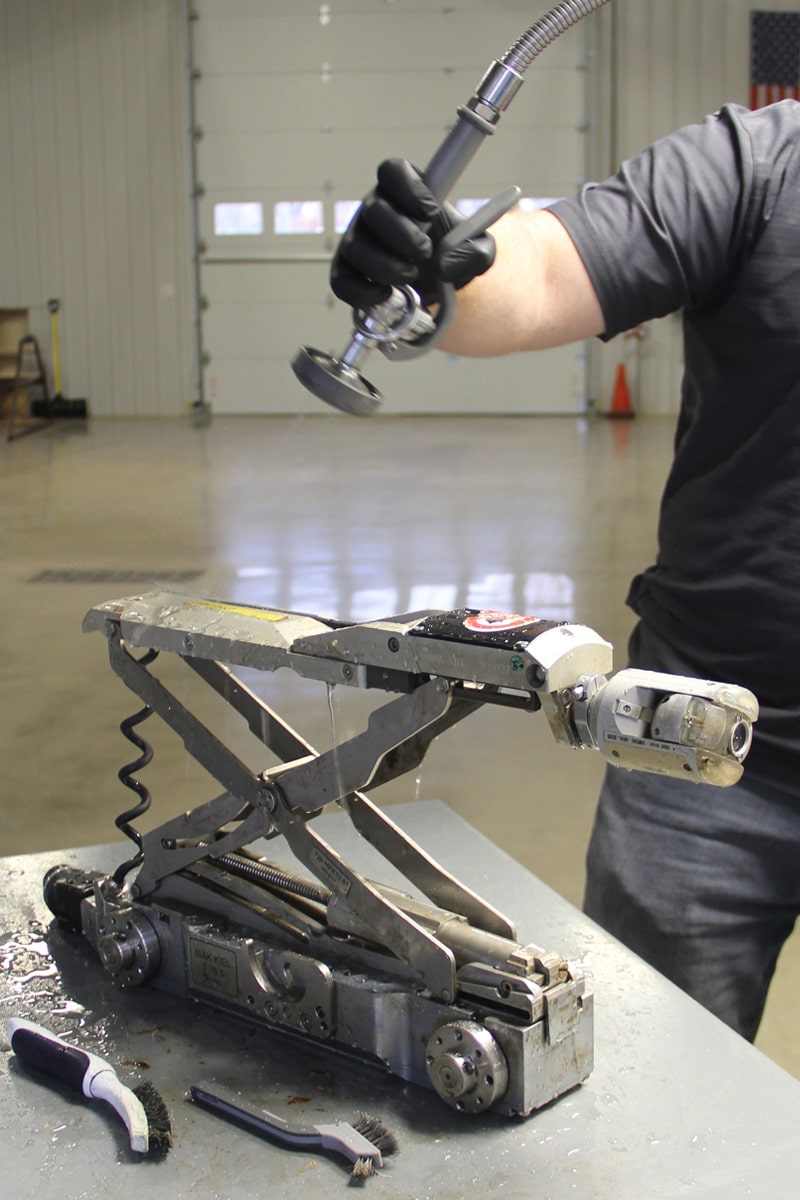
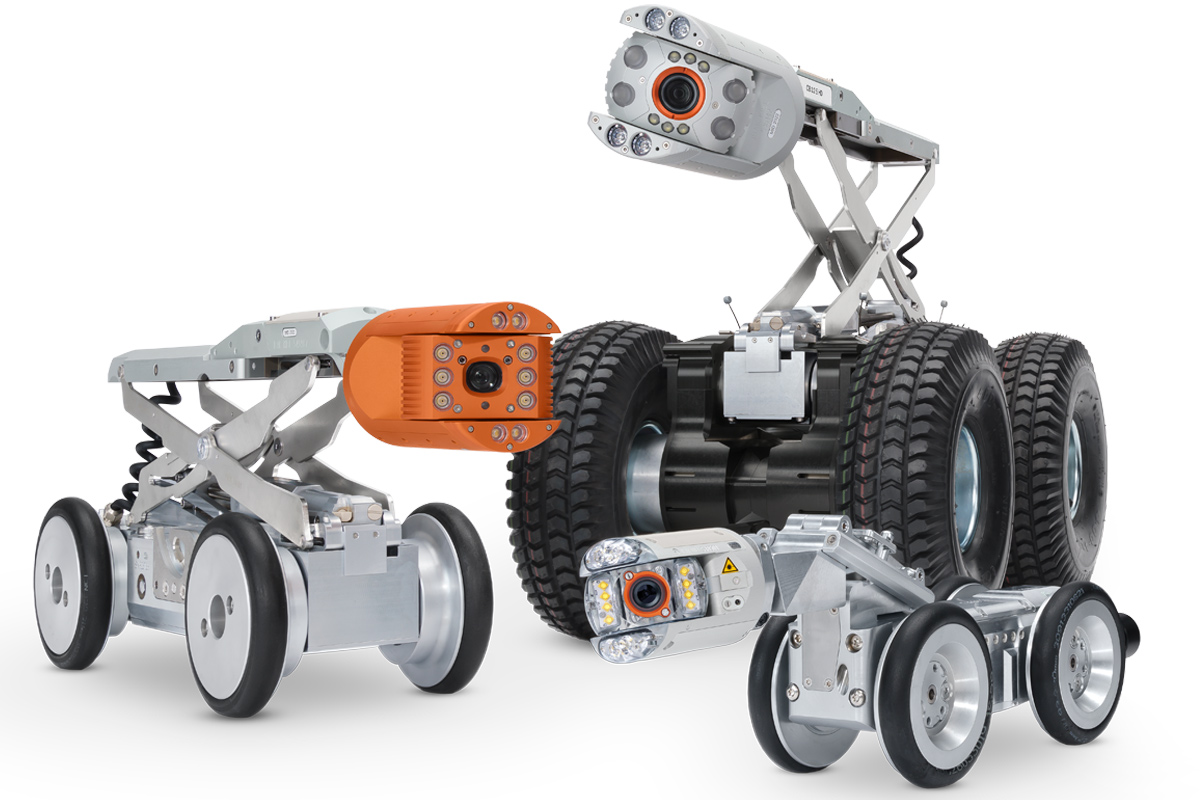
Over time, debris naturally accumulates around continuously moving and articulating components. Areas such as wheel seals, elevators, pan-and-tilt camera surfaces, and other moving parts are especially vulnerable. While most manufacturers use corrosion-resistant materials, even these materials are not immune to damage. A small amount of friction caused by trapped debris can lead to premature wear, performance issues, or long-term mechanical flaws. Regular maintenance helps prevent these problems before they become costly repairs.
Manufacturers typically provide recommended procedures for cleaning and maintaining pipe inspection equipment, and those guidelines should always be followed first. In addition to manufacturer recommendations, there are several general best practices that apply across most inspection systems:
- Always Use Appropriate PPE
Ensure you are wearing proper protective gear while cleaning your equipment to avoid injury and contamination. - Rinse Your System Immediately After Use
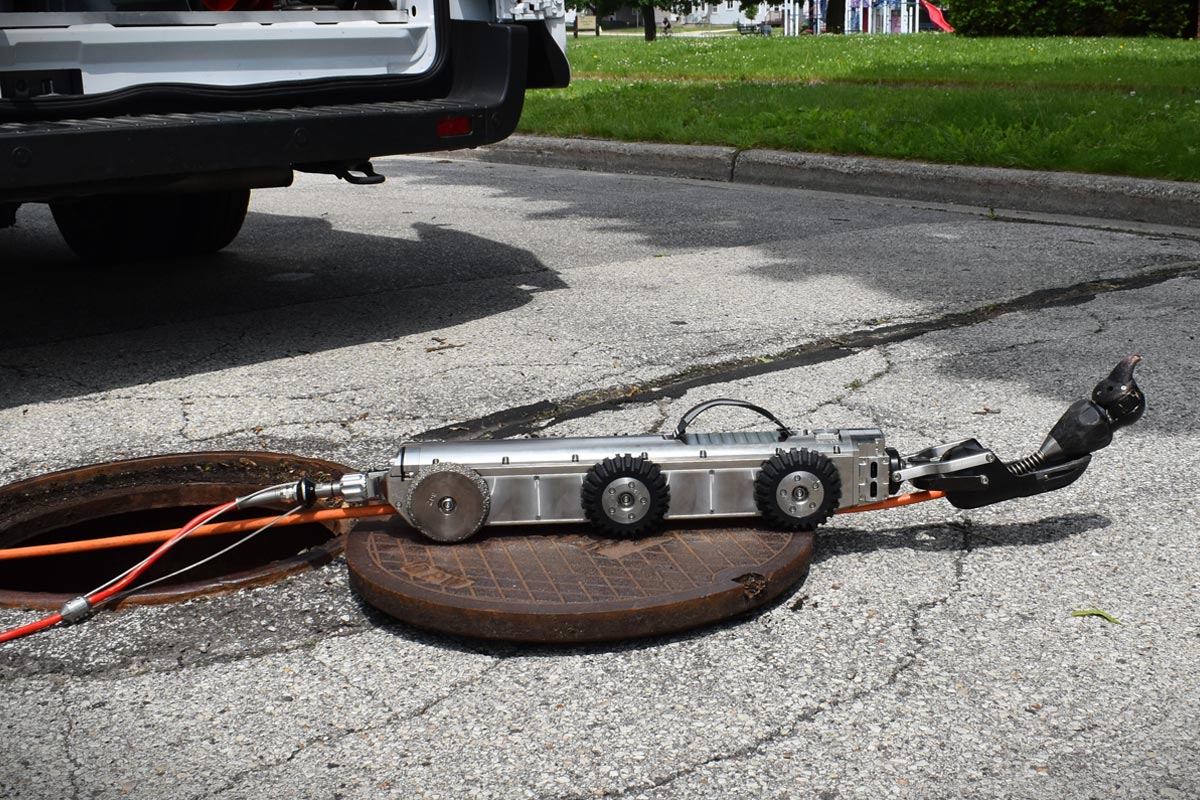
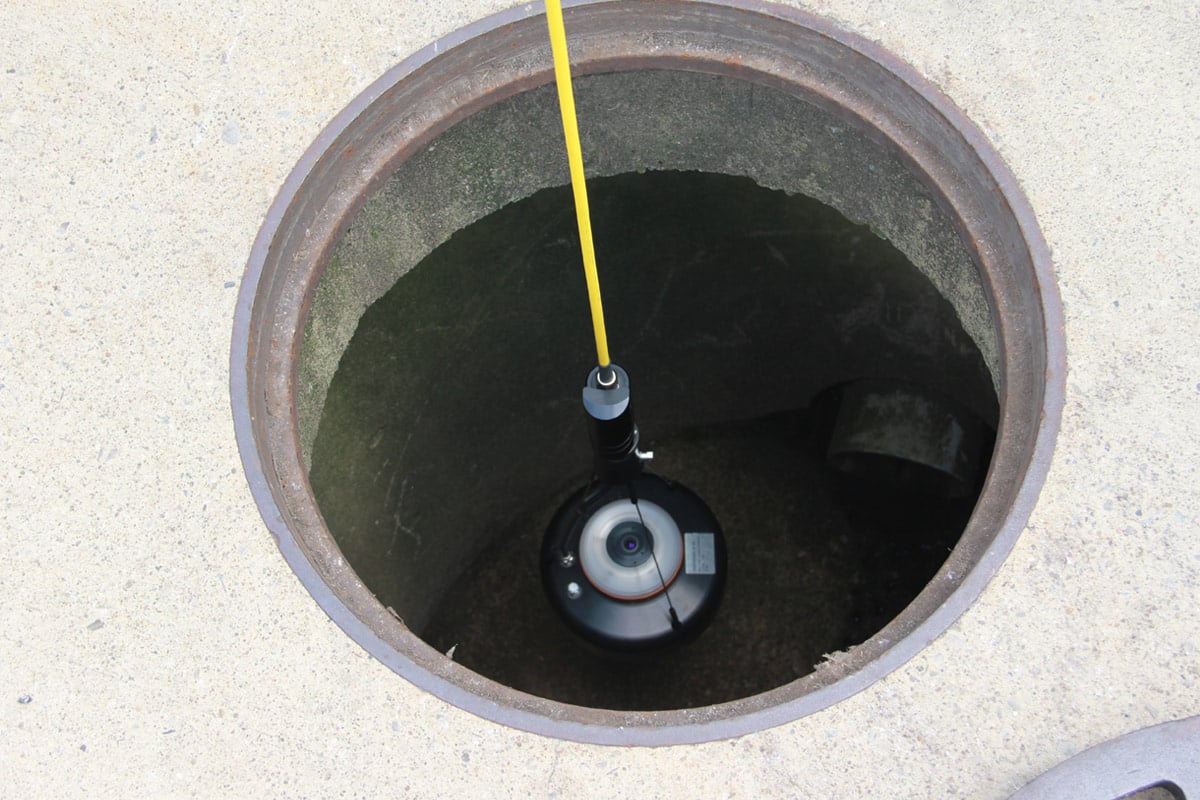
Upon removal from the sewer system, immediately rinse your system with water. Wash any loose debris back down the manhole to prevent buildup. If debris accumulates over time, it becomes harder to remove, leading to performance issues. - Avoid High-Pressure Water and Harsh Solvents
Do not use high-pressure water, high-pressure air, or solvents that could damage delicate components. Water from a hose or faucet is typically sufficient if done regularly. - Focus on Articulating and Moving Parts
Pay close attention to wheels, lifts, and cameras. These areas need to remain clean to ensure all key components function properly. - Perform Thorough Cleaning on a Schedule
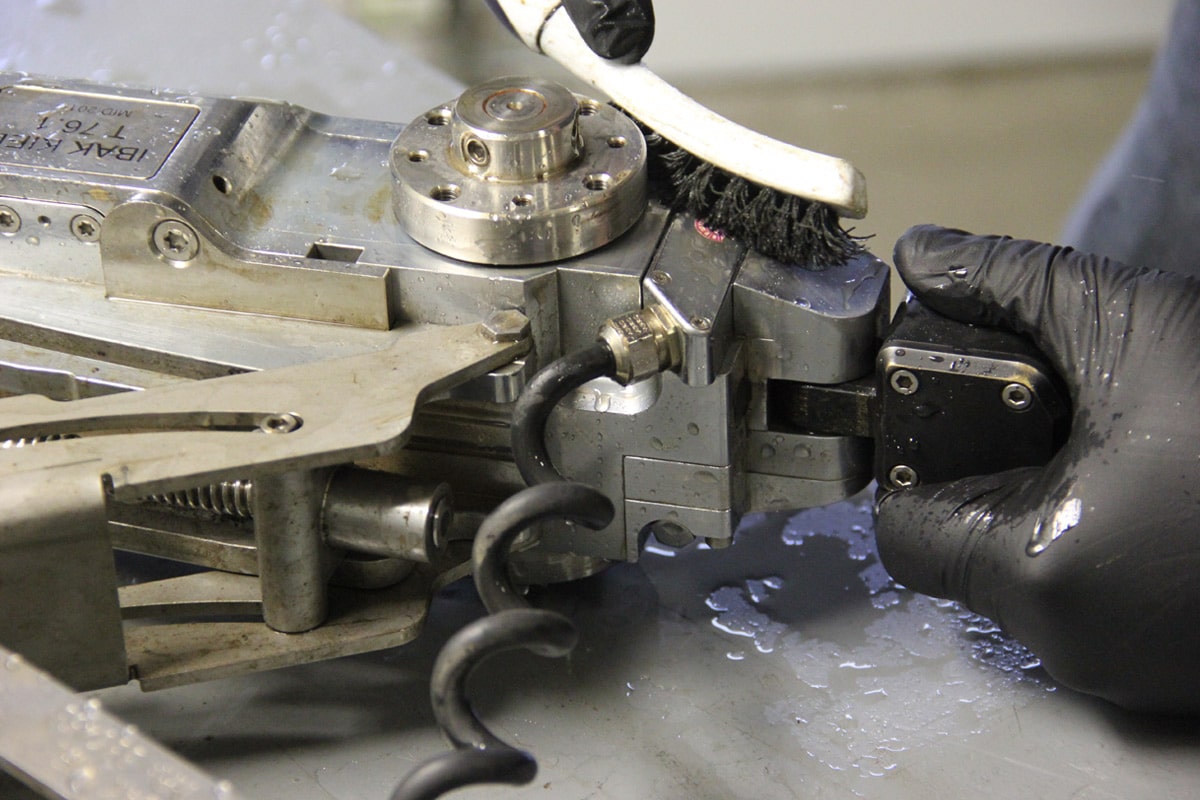
Beyond routine rinsing, a more thorough cleaning should be performed on a regular schedule. Using a soft brush allows access to hard-to-reach areas and helps remove buildup in a controlled way, similar to detailing a vehicle.
No matter how busy your schedule is, taking time to maintain inspection and rehabilitation equipment will always be worthwhile. Neglecting maintenance can lead to unnecessary downtime, reduced profitability, and damage to a contractor’s or municipality’s professional image. Proper cleaning and maintenance extend equipment life, improve efficiency, and reduce costly repairs.
rapidview.com | (800) 656-4225