How to Inspect and Assess Lateral Sewer Pipes
Inside a Modern, Methodical Sewer Inspection and Assessment of Lateral Sewer Pipes Using Today’s Best Practices’
In the world of underground infrastructure, few services are as essential — or as frequently overlooked — as sewer lateral inspections. While most property owners or managers rarely consider what happens beneath their properties, the condition of a sewer line can profoundly impact property value. It also affects public health and long-term repair expenses.
Many municipalities’ obligations end at the sewer main. Consequently, the responsibility for maintaining and repairing sewer laterals falls on the property owner.
At the forefront of this field stands a meticulous, multi-step approach that prioritizes accuracy, transparency, and technical rigor from start to finish. In a field where overlooked issues can lead to costly surprises, the value of a thorough, expertly executed sewer lateral inspection cannot be overstated.
Digging Deeper: The Foundation of a Thorough Inspection
Truly effective sewer lateral inspections are less about the latest technology and more about the groundwork established long before a camera enters a pipe.
The process begins with comprehensive fact-finding, setting the stage for a more informed and focused investigation. A detailed conversation, probing for recent system performance issues such as unexplained noises, slow drains, or evidence of past backups, is vital for understanding the unique context and maintenance history of each property. Landscaping should also be noted. For example, check if there are any trees in proximity to the location of the lateral lines.
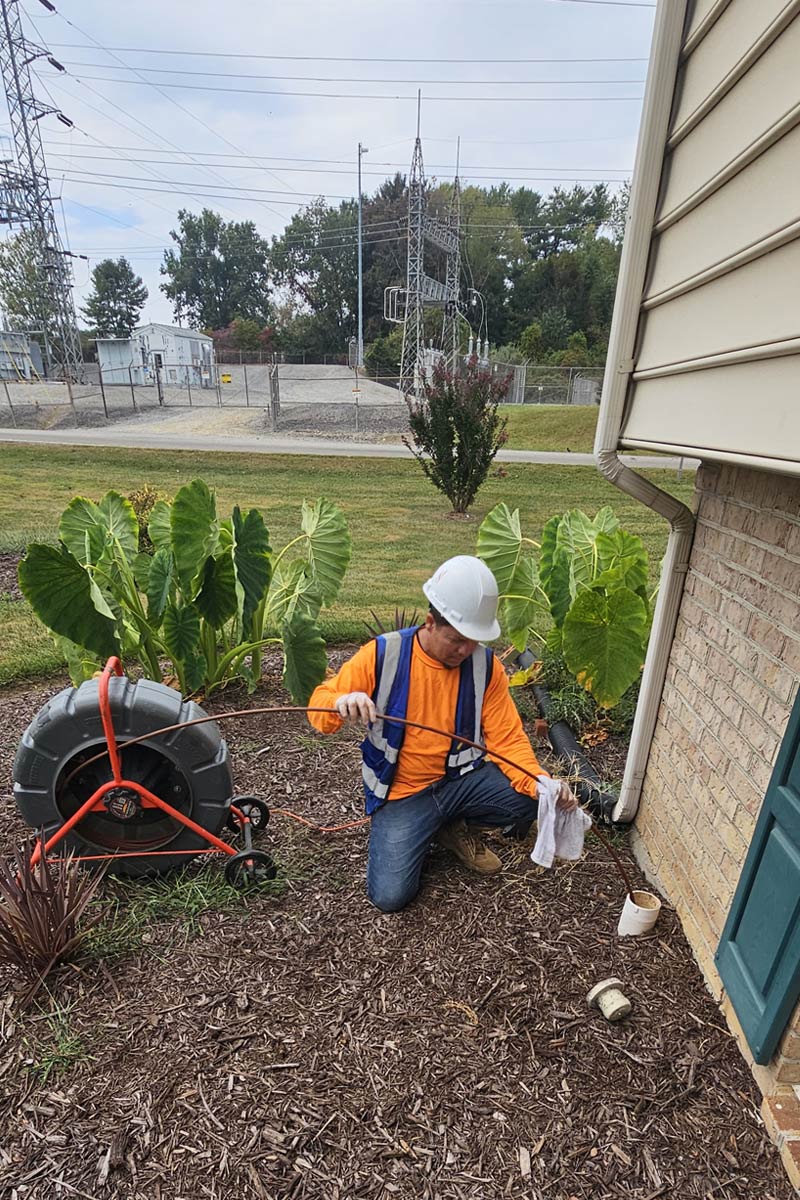
Access points are a central focus during these initial discussions. In many older communities, original cast iron cleanouts are common and may not have been opened for decades. Gaining access sometimes requires cutting through stubborn caps, but alternatives, such as using a basement toilet, are also considered. This is especially the case for preventive inspections where there is hesitation to alter existing cleanouts. The primary goal is always to minimize disruption and cost while maximizing the thoroughness and accuracy of the inspection.
Research-Driven Insights
Armed with these initial details, the next step is targeted research. This will determine where property owner responsibility ends and municipal jurisdiction begins. In much of Northern Virginia, for example, homeowners are responsible for the lateral pipe from the home all the way to the sewer main. This makes repairs or replacements a potentially expensive endeavor, especially if trenchless options like lining are not available.
This research should extend beyond the property lines. A construction date should be established, as well as inspection data from neighboring builds, if available. This will allow insight into potential pipe materials and current underground conditions. Such background knowledge not only streamlines the inspection but also ensures preparation for what lies ahead underground.
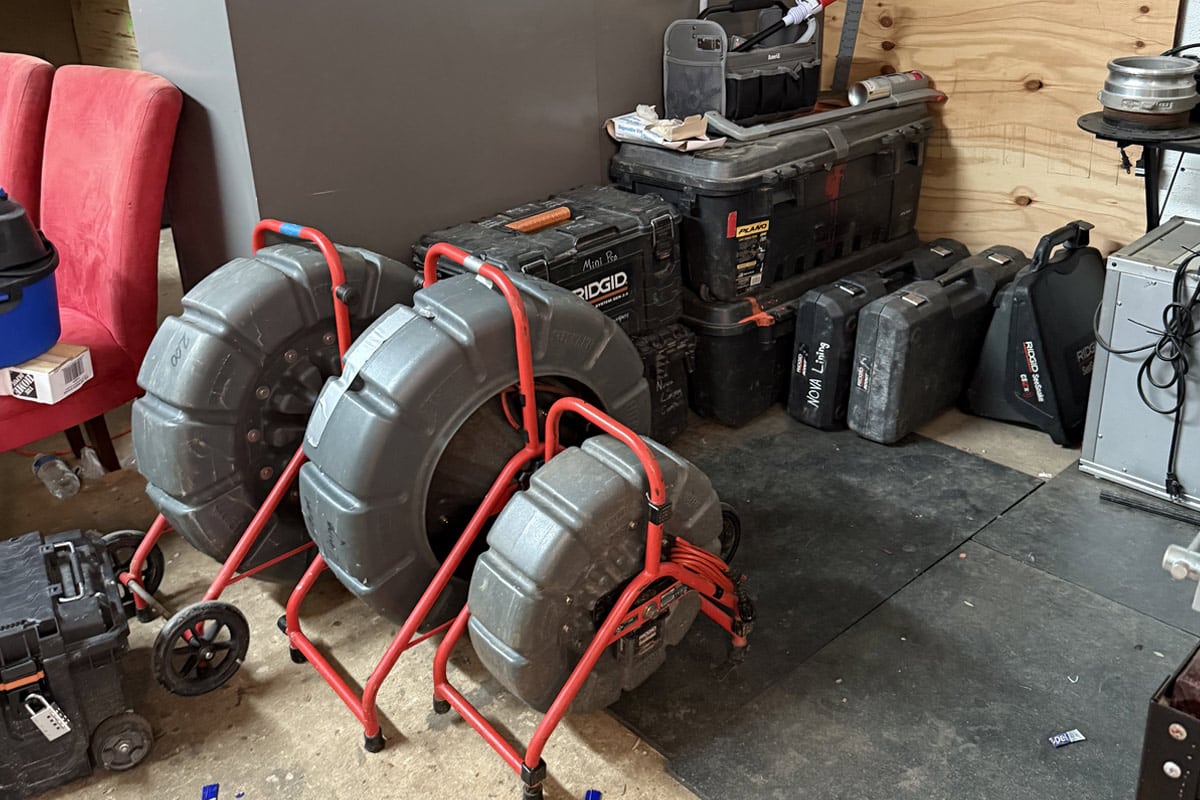
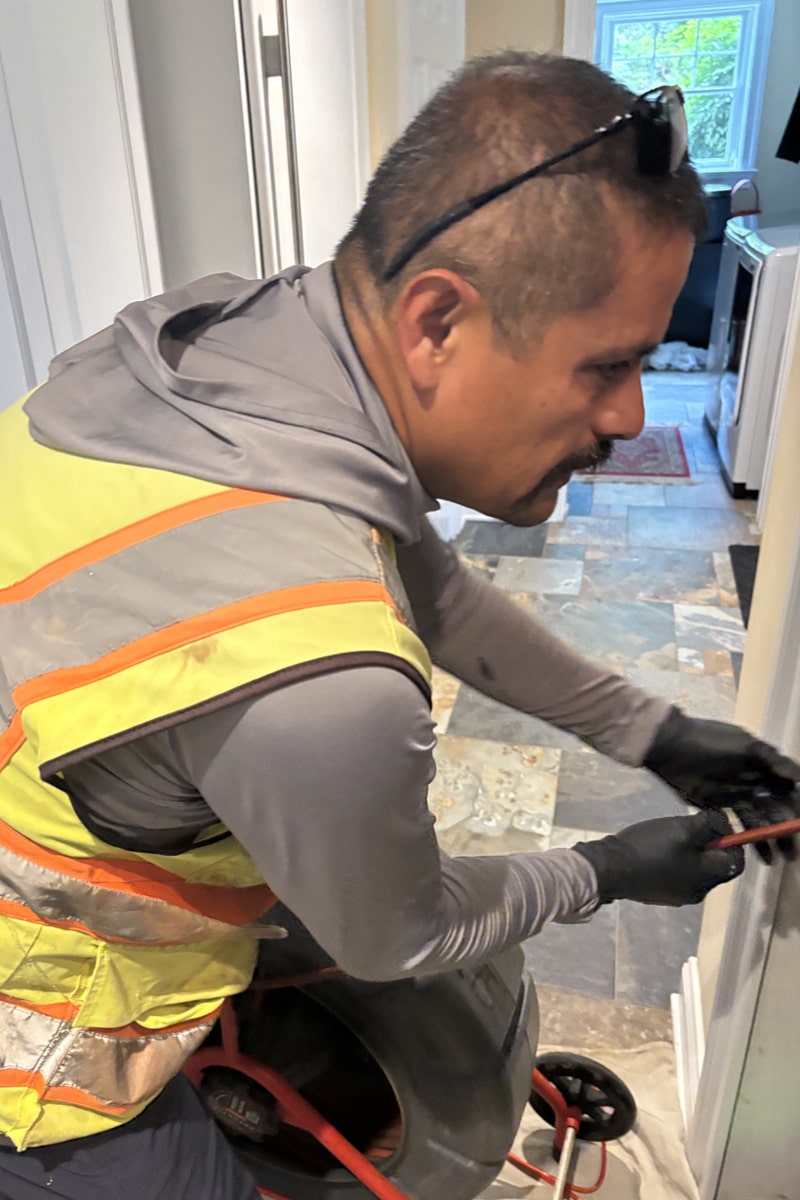
For example, our technicians are equipped with a comprehensive toolkit which generally includes everything they need; from protective boot covers to custom kits designed for removing even the most corroded cleanout caps. The arsenal also features standard plumbing tools, cleanout caps of the most common sizes (3, 3.5, and 4 in.), as well as extra toilet rings, bolts, drop cloths, and shop vacuums.
This attention to detail empowers our technicians to be prepared for whatever they may uncover. It also allows them to adapt to almost any field condition without delay.
Methodical Inspection
Real-world conditions don’t always match descriptions from initial conversations, so it is important to remain flexible and ready to adjust plans as needed. If the main cleanout is blocked or undersized, the lowest toilet in the system may become the best access point for the inspection.
Once access to the pipe has been established, the inspection itself is a study in patience and precision. Rushing the process can result in overlooked details such as missed offsets, forgotten joints, or unclear connections.
Slow and Steady Wins the Race
To counter this, the camera should be advanced in a slow and controlled manner, beginning with a clear shot of the access point. The camera monitor should be positioned for real-time observation, promoting both transparency and accuracy as the inspection unfolds.
As the inspection progresses, the camera should be stopped as needed to photograph and describe findings. Document any significant issues encountered — such as root intrusions, pipe offsets, or structural weaknesses. If sludge or debris obscures the view, water from nearby fixtures may be run to clear the line. Each inspection should involve two passes: one forward and one in reverse. This dual approach ensures that nothing is missed and that footage quality remains high, even in pipes that haven’t been recently cleaned.
In some cases, pipe locating equipment may be utilized after recording to map the precise location of defects or to plan future repairs. This added step is particularly valuable for those considering or planning future upgrades, or for municipal agencies managing large networks.
Once the inspection is completed, the access site should be restored to its original condition. Inspection videos should then undergo review by a NASSCO-certified specialist, who can compile a detailed written report, complete with recommendations for necessary or suggested maintenance, rehabilitation, or replacement as warranted by the findings. Property owners should expect to receive a secure package which includes pipe inspection videos, a written summary, and supporting photographs for their records.
In Summary
A proper sewer inspection goes far beyond simply running a camera through a pipe. By combining thorough preparation, attention to detail, rigorous fact-finding, in-depth research, meticulous preparation, and methodical on-site execution, technicians and homeowners alike can reliable high-quality inspections and condition assessment results be ensured. This systematic approach not only protects property value and public health but also empowers clients to make informed decisions about maintenance, rehabilitation, or replacement.
Jared McCaskill and Taylor Jones are with Novalining.
Latest Posts
- City of Newark Goes Trenchless to Repair Historic Pequannock Aqueducts

- NUCA Convenes in Tucson for 2026 National Convention
- Product Showcase – Denso Archco 456
- DCA Holds 65th Annual Convention in Miami
- How Is the Trenchless Rehab Market Faring in Today’s Economic Climate?

Next Up
2026 Microtunneling Short Course | May 5-7, 2026 | Scottsdale, Arizona | Learn more