Geotechnical Considerations for HDD to Mitigate Risk
A thorough understanding of the anticipated geotechnical conditions and behavior is key to proper HDD design. At times, owners and designers are reluctant to allocate significant resources to a thorough geotechnical exploration.
The comparison of cost to value is not always apparent in the early stages of design. Sometimes the permitting effort for specialty borings can be daunting. However, a project that starts off with insufficient or mischaracterized geotechnical information may encounter serious construction problems and subsequent costs. Identification and mitigation of geotechnical risk during the design phase can limit unexpected problems during construction.
One common misstep in geotechnical investigations for HDD projects is locating borings too far apart. The scope for the geotechnical program for open-cut projects may cover a large area with borings spaced 1,000 to 2,000 ft apart. They are drilled to the depth of the trench invert. For HDD, unanticipated changes in ground conditions can lead to serious impacts on production rates. It can even prevent a project from being completed. In general, good practice dictates that HDD projects should have a minimum of one geotechnical boring on each side of the crossing. These should extend to depths a minimum of 15 ft below the anticipated bore depth. For complex geology and long HDD bores, intermediate geotechnical borings are recommended. They should be along the alignment at spacing not greater than 500 ft.
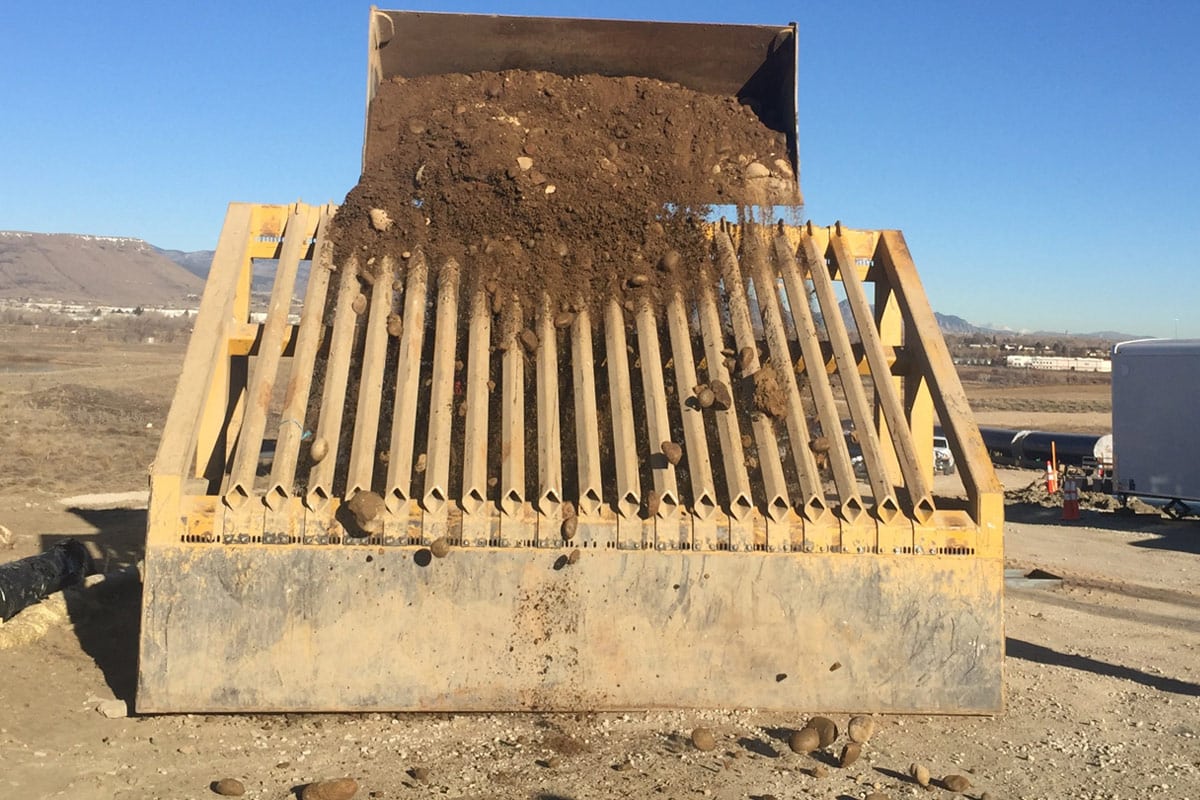
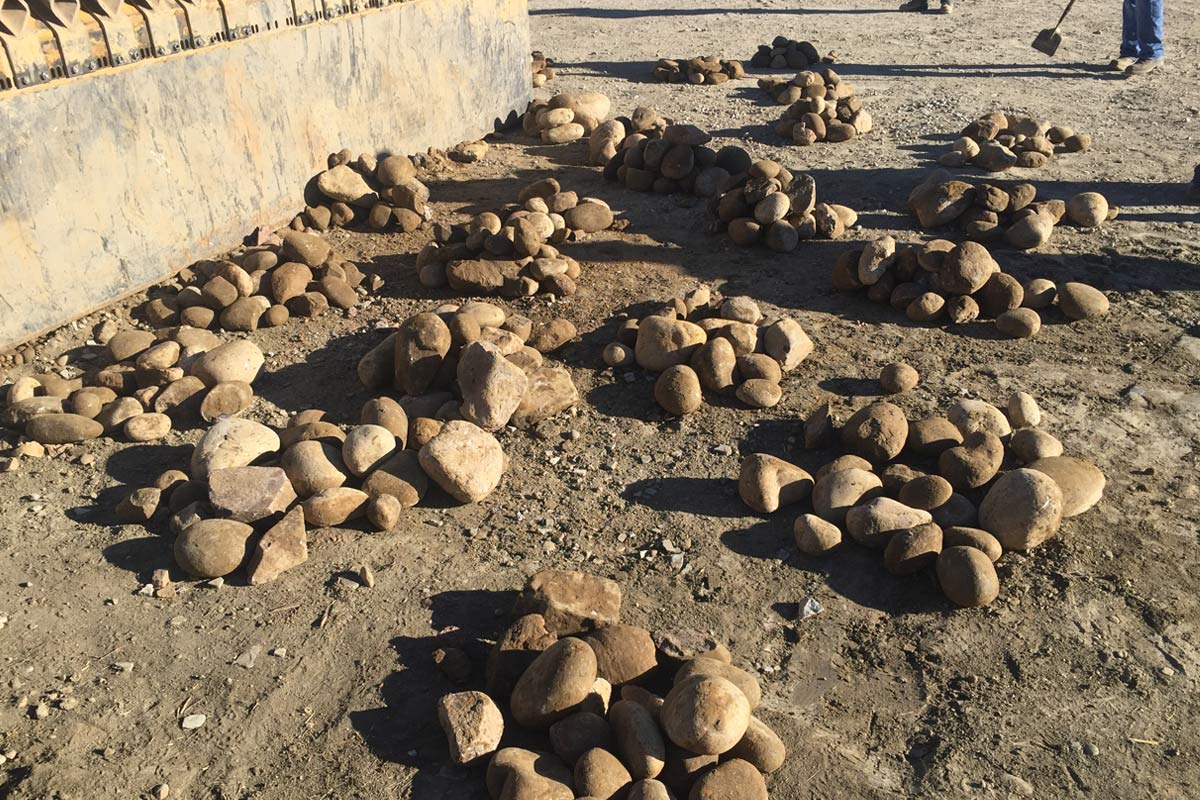
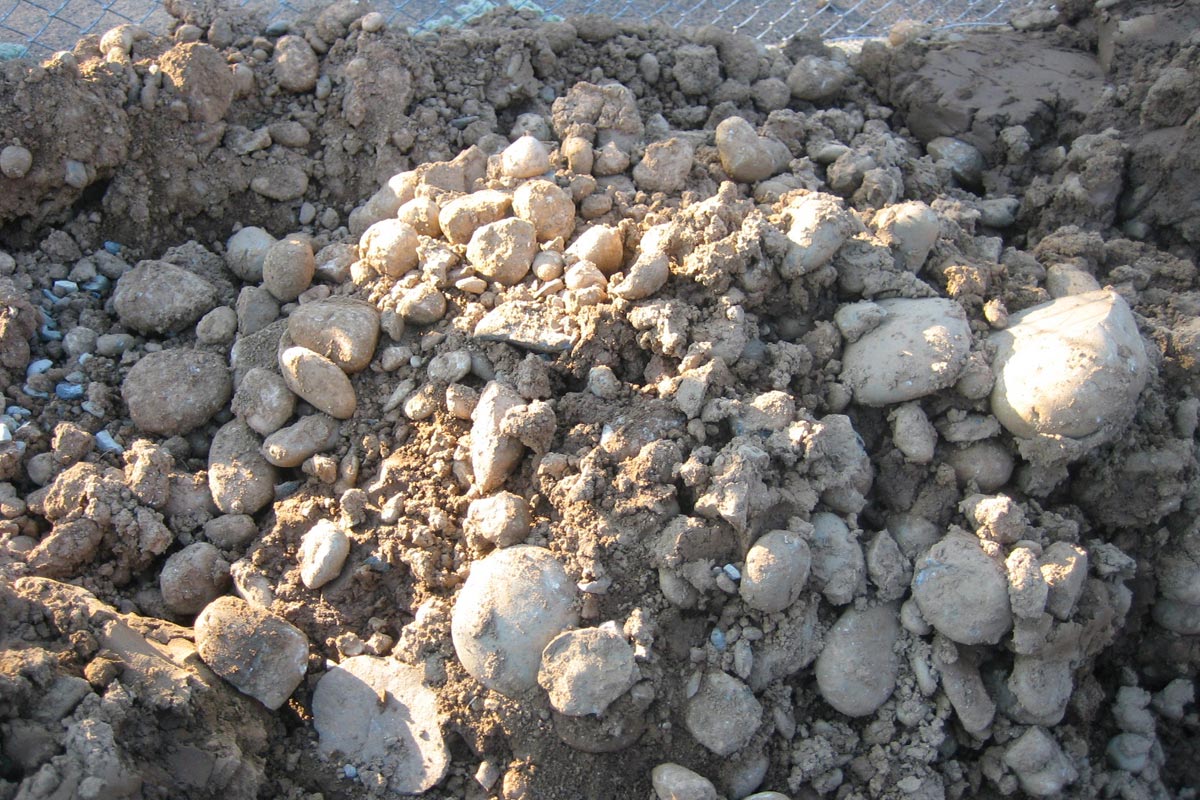
If a desktop study has identified the likelihood of encountering challenging or variable soils near the surface (such as gravel or soft soils), the geotechnical borings should extend even deeper below the planned alignment. This allows flexibility in designing the bore profile. This is especially important for projects with short delivery schedules. There may be insufficient time to acquire additional permits and remobilize drilling equipment. This can occur during a second round of exploration due to adverse conditions at or near the intended bore depth.
Another oversight is selecting non-representative locations for geotechnical borings, especially near wetlands or rivers. Ground conditions can vary greatly around waterways due to depositional history and manmade structures. For example, a road, railroad, or levee built through a wetland area will likely have a foundation of compacted soils. This results from construction techniques and embankment loading, making them no longer representative of the native conditions. For an HDD bore that crosses an embankment, conducting geotechnical borings solely through the embankment is convenient. However, it often results in overestimation of soil strengths and stiffness for the ground not within the embankment foundation. This can lead to unanticipated issues such as higher IDFR risk, steering difficulties, or potential bore instability.
River crossings present unique challenges for geotechnical characterization. Riverbed meandering and the changing depositional environment over geologic time may result in a highly variable, wide zone of influence within the current channel and nearby. The river and its environs may be created by a combination of erosion, scour, and deposition. This requires multiple geotechnical borings to accurately characterize the subsurface conditions. Although it may be difficult and time-consuming to secure permits to drill within the waterway, it may be worth spending the time and money for crossings that are high risk and complex. Also, focus when the potential consequences of an IDFR or bore failure are high.
Rock within an HDD alignment can present challenges. If rock is encountered in the geotechnical borings and anticipated throughout the bore, the contract documents should include provisions to ensure that the contractor is prepared. They should have appropriate equipment and tooling. A thorough characterization of the rock properties during design is essential. This confirms that the alignment is appropriate. Rock coring methods are required to accurately determine the rock quality, weathering, bedding, strength, and abrasivity. All of these can impact HDD construction. Extensive weathering or fracturing may lead to drilling fluid loss and the inability to remove spoil from the bore. Rock strength and abrasivity will impact production rates and tooling life. If the original geotechnical investigation was too shallow or used auger drilling and stopped at drive sampler refusal, the contractor cannot be reasonably prepared with appropriate tooling and equipment to efficiently complete the work. Incorrect characterization of the rock properties during design will result in inaccurate bids. This will likely lead to change order requests and claims.
To ensure a quality project that satisfies the owner’s performance requirements, the burden of geotechnical risk identification and mitigation should not be placed solely on the contractor. This is unless the contract is specifically advertised as a design-build. Not only is it unfair to ask a contractor to accurately bid a project where the geotechnical risks are not yet understood, it does not serve the best interests of the owner. This approach disincentivizes incorporating risk mitigation measures in the bid, often resulting in subsequent change order disputes. It is far better to have qualified, knowledgeable geotechnical professionals involved during the design phase. Unequal risk apportionment due to insufficient geotechnical information results in higher risk, higher bids, and higher overall costs. Competent design and planning can mitigate risks before construction resulting in bids with lower contingencies, shorter construction durations, and more successful projects.
Matthew Wallin is principal partner and senior project manager at Bennett Trenchless Engineers, Folsom, California. Mary Neher is senior project engineer and project manager at Bennett Trenchless Engineers, Folsom, California. Kathryn Wallin is senior scientist at Bennett Trenchless Engineers, Folsom, California.
- Why Gyroscopic Guidance Should Be Considered During HDD Planning

- ERT, CCTV and AI Redefine Leak Detection in Pressurized Water Mains
- Don’t Miss the UESI Pipelines 2026 Conference in Detroit
- UV CIPP Scales Up for Large-Diameter Culverts
- Learn how a Vermeer 24×40 HDD helped a contractor grow

Next Up
2026 Microtunneling Short Course | May 5-7, 2026 | Scottsdale, Arizona | Learn more