Suggested Daily Maintenance Checklist for HDD Mud Reclaimers
Unfortunately, most times on a horizontal directional drilling (HDD) spread the mud reclaimer is a component that is addressed at the very last minute.
Incorporating a quality, properly operated and performing reclaimer can make or break your drilling efficiency. Having a knowledgeable and attentive mud man on your team is extremely valuable.
We recommend keeping a daily, weekly, and transporting checklist so your reclaimer is always in top shape to help you make the most out of your bores. We’d like to share some important points to achieve this.
Daily Checks
Check all fluid levels on your generator and triplex mud pump drive engine (if equipped).
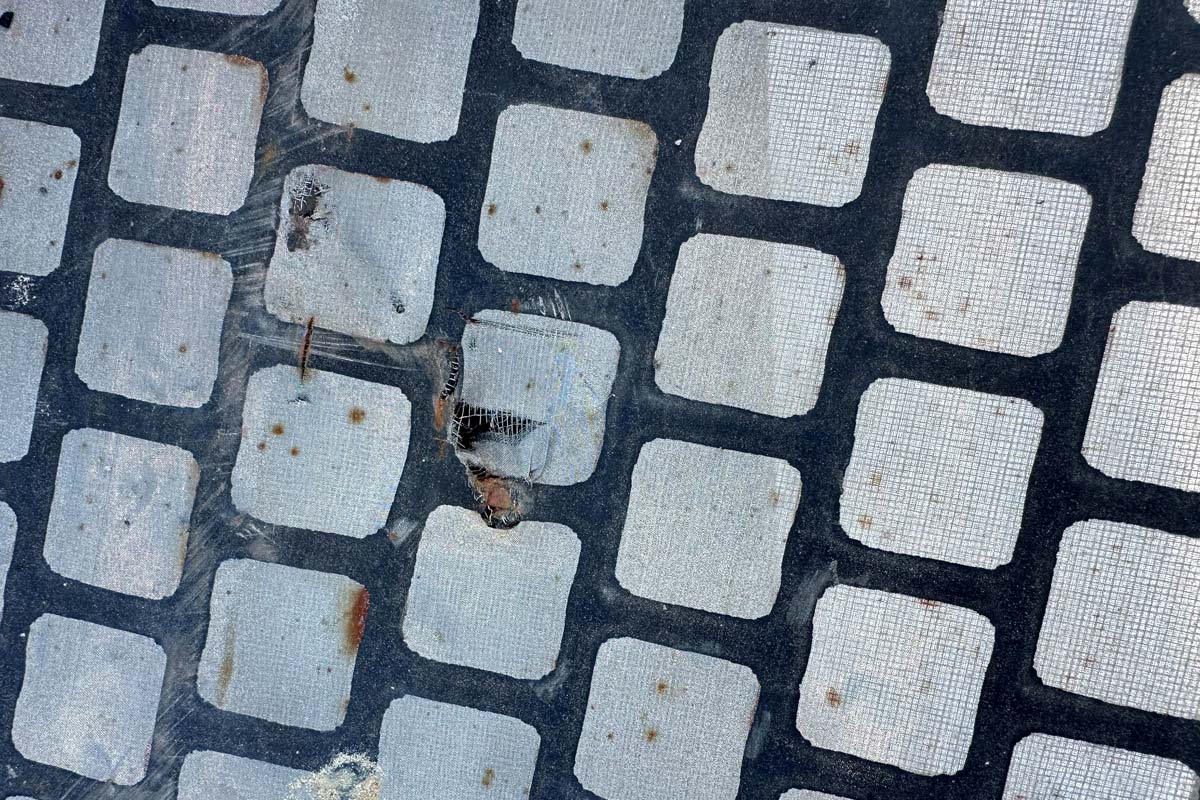
Thoroughly clean and inspect all your shaker screens. This is a critical step, as any punctures or tears on your screens will allow excess solids to fall into your tanks. Ensure both the top and bottom sides are inspected, and wash the screens from the backside to dislodge any solids that may be plugging the screen mesh. Always ensure your screen inventory is kept in proper storage to maintain the integrity of the screen mesh. We recommend keeping a variety of mesh sizes on hand to allow for fine tuning in different formations.
Clean the upper deck surface. It’s advisable to ensure your team cleans their boots as good as possible before walking on the top deck, to avoid inadvertently dropping rocks and debris from their boots into your tanks. We also advise storing tools, gloves, and other handheld items safely to keep items from dropping into the tanks.
Check for adequate inventory of bentonite and additives, as well as proper PPE for your team. Ensure your mud testing equipment is complete and operable.
Check all hoses and connections, as well as valves for smooth operation.
If your system is equipped with shaker air mounts, check their condition and correct inflating pressures. On systems using spring or pillow isolation, inspect these items for condition.
Perform a thorough walk around of the equipment, looking for any loose hardware. Ensure safety guards are intact on any rotating equipment.
Make sure your stairs, walkways, and handrails are secure and not damaged, and that the toe kick guards are in operating position on all shakers.
Inspect all your centrifugal pumps, and check for proper operation. On rope seal design pumps, check for excessive packing leaking. If so, address the leaking per the manufacturer’s instructions. For mechanical seal pumps, perform a visual check.
Grease any lubrication fittings per the manufacturer’s instructions.
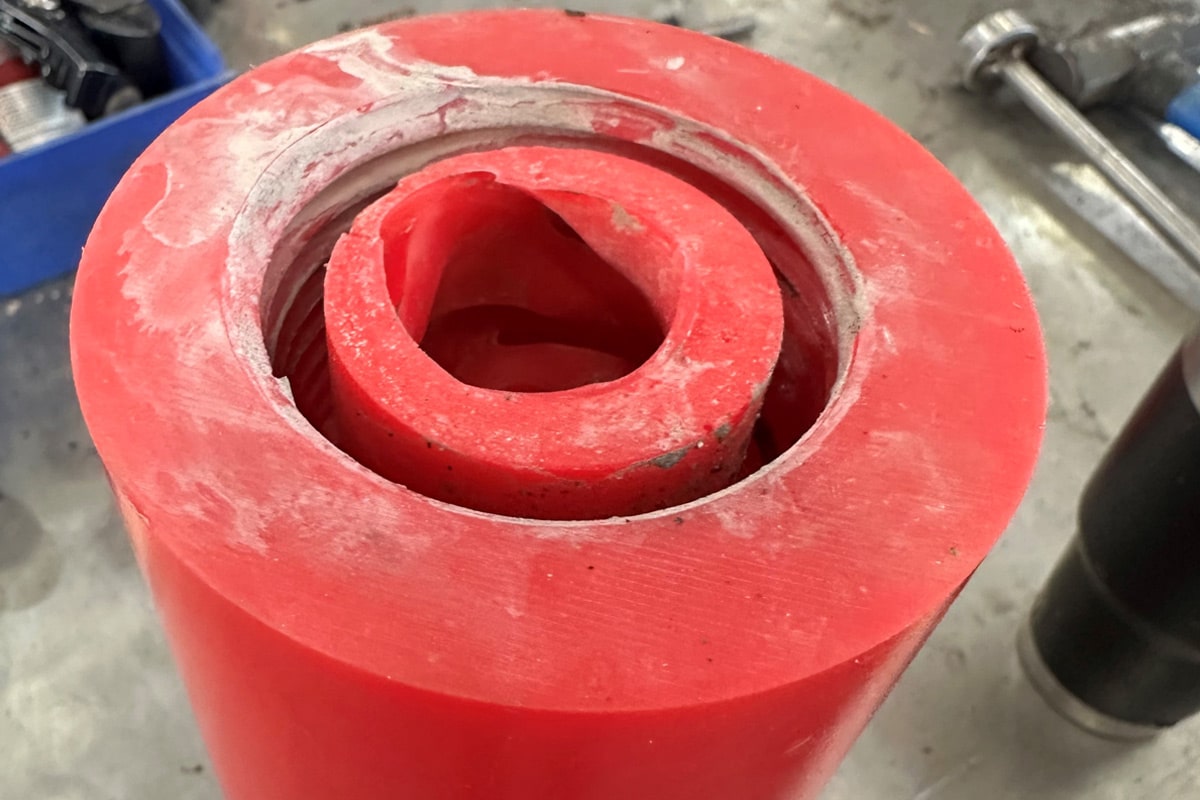
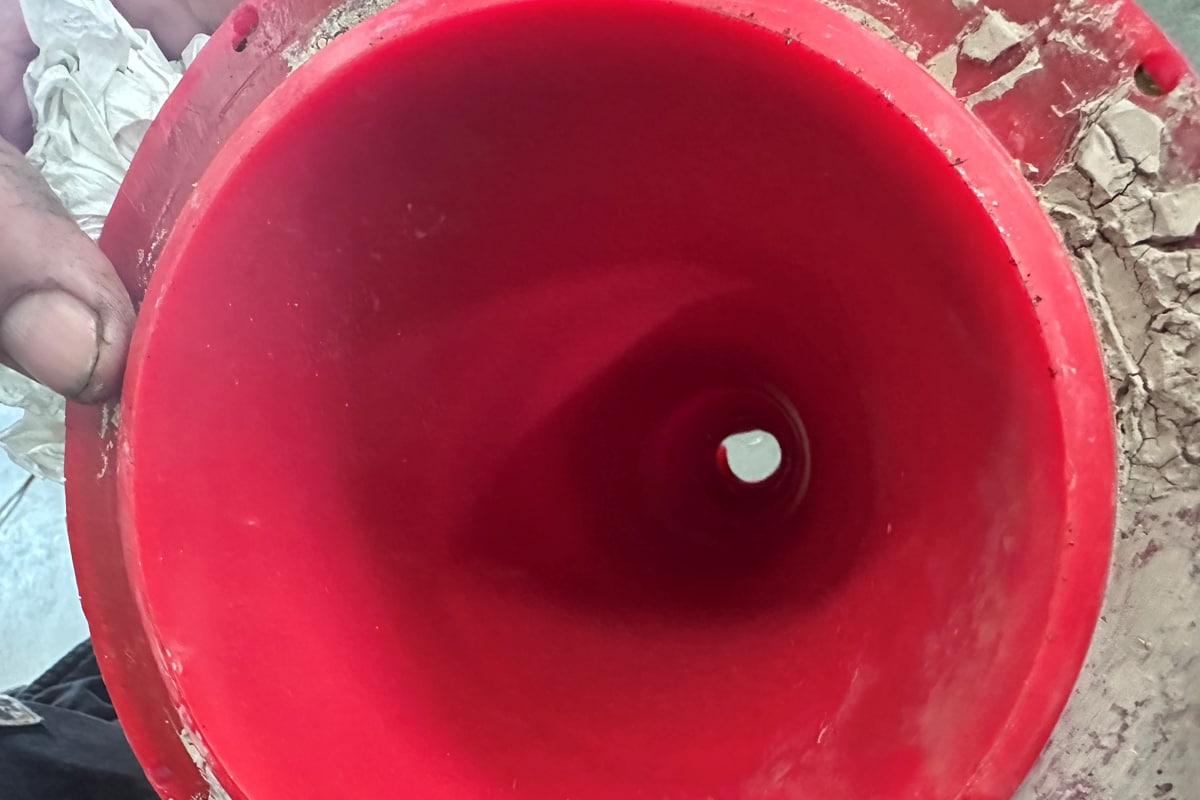
After startup of your reclaimer, perform a check on your hydrocyclones. If you place your hand under the discharge points, you should feel a slight suction. If this is not the case, you could have a plugged or washed out cone. Most cones are multi piece, which will allow you to remove the apex nut or the entire bottom half for a visual inspection. The inside should have a nice smooth taper with no wear grooves, clean or replace as necessary.
Cone manifold pressures should be in the 28-32 PSI range. Anything outside of this range is indicative of worn pump impellers, or other pump or piping issues. When testing manifold pressures, use a temporary pressure gauge. If these gauges are left in the manifold test ports, mud will pack them off and not register correctly.
For units equipped with on-board triplex mud pumps, inspect pump cradle for mud leaking past the pistons. If that’s the case, replace your piston and/or liner. Ensure the rod wash pump is operable, and rod wash tank is full of clean fluid/coolant. Visually check the gear end oil level, most pumps have a sight glass for this purpose. If the oil a very milky looking, fluid has likely entered the gear end and should be replaced. Ensure your high pressure relief valve is set properly, and the discharge dampener is set to the correct pressures.
Other Notes
At the end of shifts, flush the lines and thoroughly wash down all screens.
When operating in extreme cold climates, care should be taken to properly winterize the system. Drain the tanks, flush the system, and drain all centrifugal pumps and hoses to avoid freezing damage.
Suggested weekly items are inspecting and cleaning the battery terminals, inspect and clean or replace needed engine filters. Tier 4 emission engines are very sensitive to filtering needs, especially fuel filters. Always keep extra fuel filters on hand to avoid any downtime.
When rigging down, check tire pressures for correct inflation along with the tire condition. Check the brakes and all lighting before transporting. Ensure the shakers are locked down properly to avoid damage to the isolation points. Most all reclaimers are designed to be transported empty. Ensure tanks are empty and clean, to avoid any excess weight issues on the suspension. This is also a good to fully inspect the condition of your tank interior and any mud jets.
Just like any other piece of mechanical equipment, properly maintaining your reclaimer will give you much longer life of the equipment along with easier use and operation.
Terry Flynn is vice president of sales and marketing at Tulsa Rig Iron.
Latest Posts
- Suggested Daily Maintenance Checklist for HDD Mud Reclaimers

- Macomb County Uses Spiral Wound PVC to Renew 15-Mile Interceptor
- Trenchless Technology Canada Roundtable 2026
- City of Newark Goes Trenchless to Repair Historic Pequannock Aqueducts
- NUCA Convenes in Tucson for 2026 National Convention


Next Up
2026 Microtunneling Short Course | May 5-7, 2026 | Scottsdale, Arizona | Learn more