NASSCO Report – The Key to Long-Lasting Sewer Structure Rehab: Think Holistically
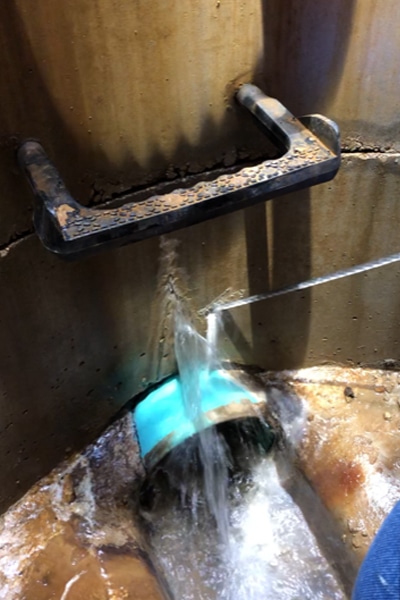
Controlling active infiltration and inflow (I&I) during the preparation of manholes and sewer structures for rehabilitation coatings and liners is critical. This step is necessary for achieving long-term performance and durability.
Even the most advanced rehabilitation systems are susceptible to premature failure if groundwater is actively entering the structure during installation.
Identifying I&I
An effective, holistic approach begins with identifying, isolating, and sealing active I&I at its source to properly stabilize and prepare the structure for surface rehabilitation.
A comprehensive condition assessment is essential for determining the root cause of infiltration. For this reason, techniques such as visual inspections, CCTV evaluation, smoke testing, and dye tracing are commonly used. These help pinpoint groundwater entry points.
NASSCO’s Manhole Assessment Certification Program (MACP) provides a consistent approach for identifying, locating, and rating I&I sources (as well as other observations) in sewer structures.
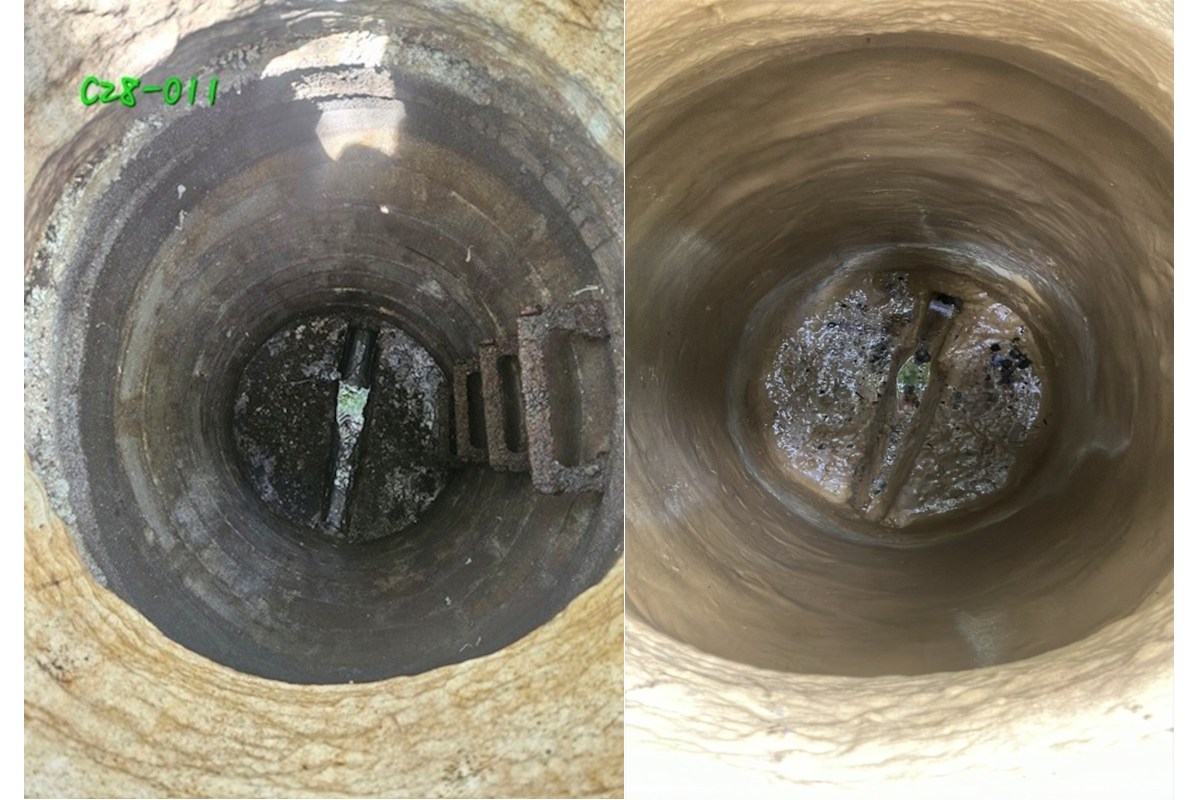
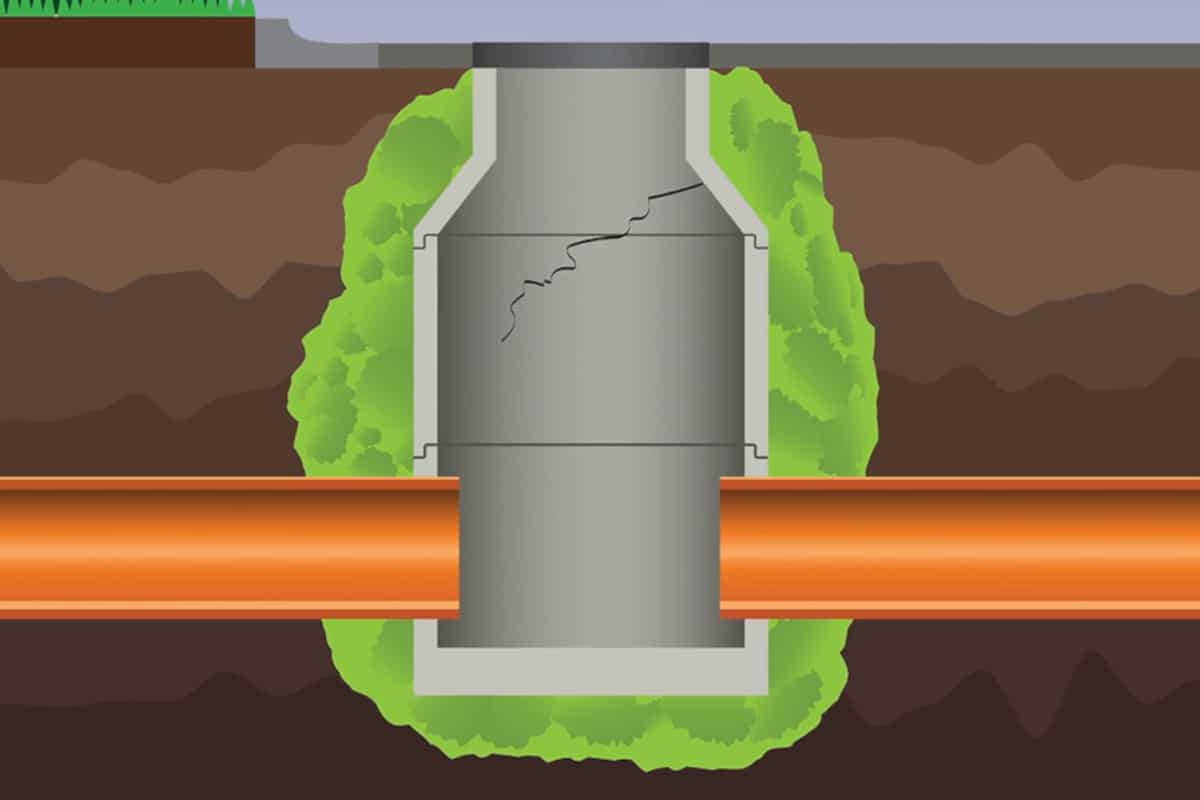
Active I&I often occurs between precast joints, chimney adjustment rings, and deteriorated mortar between brick or blocks. It also happens at wall, cone, or bench cracks, pipe penetrations, and improperly sealed or failed liner terminations. These pathways not only allow unwanted groundwater to enter the collection system, increasing the volume of water in the system. This impacts the wastewater recovery facility and potentially causes sewer overflows. Additionally, these pathways pull in soil fines that create voids outside the structure. This can lead to sinkholes and compromise structural integrity, adhesion, and the curing of rehabilitation materials.
Coatings and liners are designed to function as protective and structural renewal systems — enhancing corrosion resistance, restoring structural capacity, and providing a new internal surface. If I&I is not fully addressed prior to application, coatings may be prone to blistering, debonding, or delamination. In addition, liner systems may trap water behind the installation. This can lead to pressure buildup and localized failure.
Controlling Active I&I
To control active I&I, contractors commonly rely on fast-reacting injection grouts engineered specifically for stopping active water entering the structure. Moisture-activated polyurethane grouts, for example, react with water and the surrounding soil and expand upon contact. This property makes them well suited for sealing active leaks, even under flowing conditions. Once injected into cracks, joints, and annular voids, these injection grouts form a flexible, watertight seal that eliminates active I&I and stabilizes surrounding soils.
Eliminating I&I prior to coating or lining creates a dry, stable structure, which is essential for proper material curing, adhesion, and long-term performance. Polymer, cementitious, and polymer-modified spray-applied coatings require clean, dry, and structurally sound surfaces to prevent washout, delamination or premature failure. Similarly, liner systems such as CIPP and HDPE, although installed as continuous units, depend on a sealed host structure to prevent intrusion and ensure system integrity. The actual level of surface preparation required, including dryness level and I&I elimination, is specified by each coating or lining manufacturer.
Addressing infiltration also improves jobsite safety and efficiency. Active groundwater complicates surface preparation, delays application schedules, and can introduce hazardous working conditions. A properly executed injection grouting program before coating/lining reduces downtime, improves constructability, and increases confidence in the reliability and service life of the completed rehabilitation.
In summary, controlling I&I prior to manhole or sewer structure rehabilitation is not just a best practice — it’s a critical first step for achieving successful, long-lasting repairs. A comprehensive approach includes detailed condition assessment, targeted leak control through injection grouting, and proper surface preparation. This ensures optimal performance of coating and lining systems. Furthermore, this approach protects municipal investments, reduces treatment and maintenance costs, and ensures reliable infrastructure performance for decades.
The Key Takeaway
Active infiltration must be eliminated before coating or lining sewer structures. Water intrusion prevents proper surface preparation, adhesion, curing, and long-term system performance. Proper surface preparation for the selected rehabilitation method provides a sound base for the rehabilitation process.
To learn more, visit nassco.org.
- HDD Proves Vital to New Mount Holy Pump Station

- Suggested Daily Maintenance Checklist for HDD Mud Reclaimers
- Macomb County Uses Spiral Wound PVC to Renew 15-Mile Interceptor
- Trenchless Technology Canada Roundtable 2026
- City of Newark Goes Trenchless to Repair Historic Pequannock Aqueducts
Next Up
2026 Microtunneling Short Course | May 5-7, 2026 | Scottsdale, Arizona | Learn more