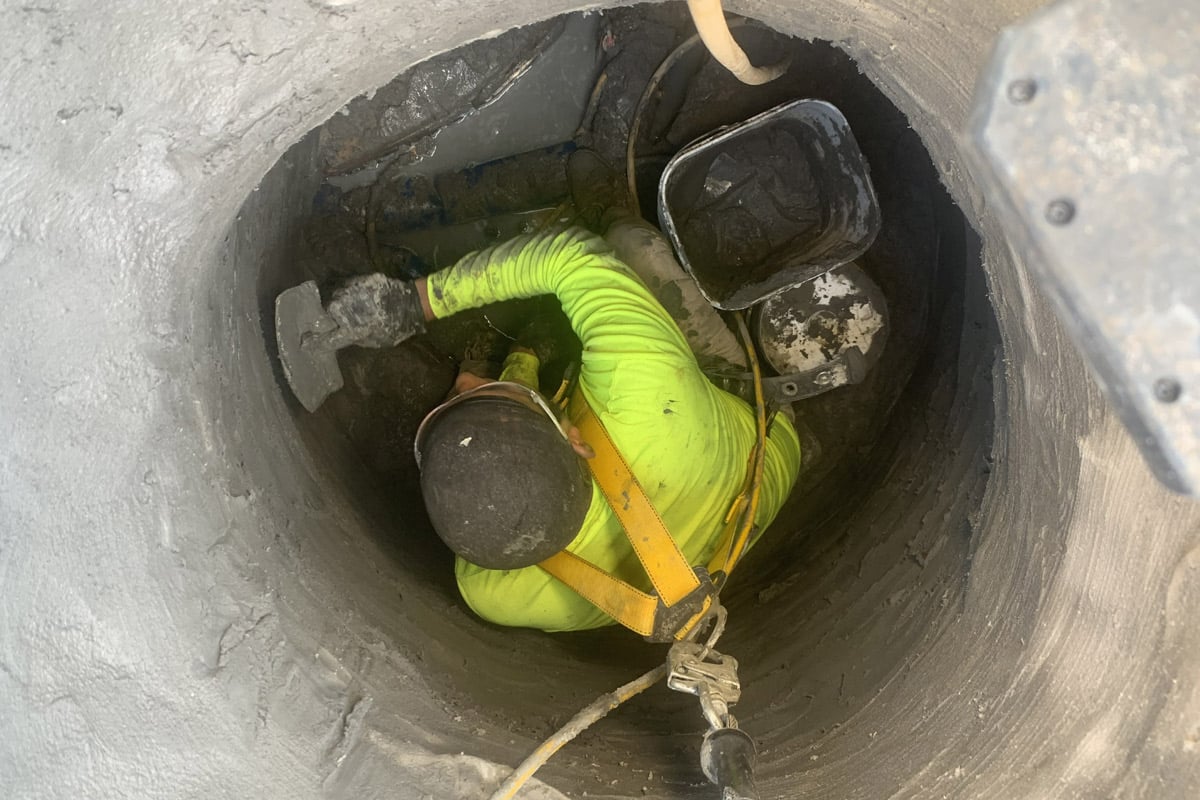
How to Prepare and Trowel-Apply for a Manhole Rehab Project
A wastewater collection system consists of gravity pipes, manholes, lift stations, and force mains. All these components work together to transport used water from homes and businesses to the wastewater treatment facility.
Although manholes are often overlooked, they play a vital role within collection systems. They are vertical, underground spaces that provide utility workers and maintenance crews with access to the sewer pipe network.
Challenges
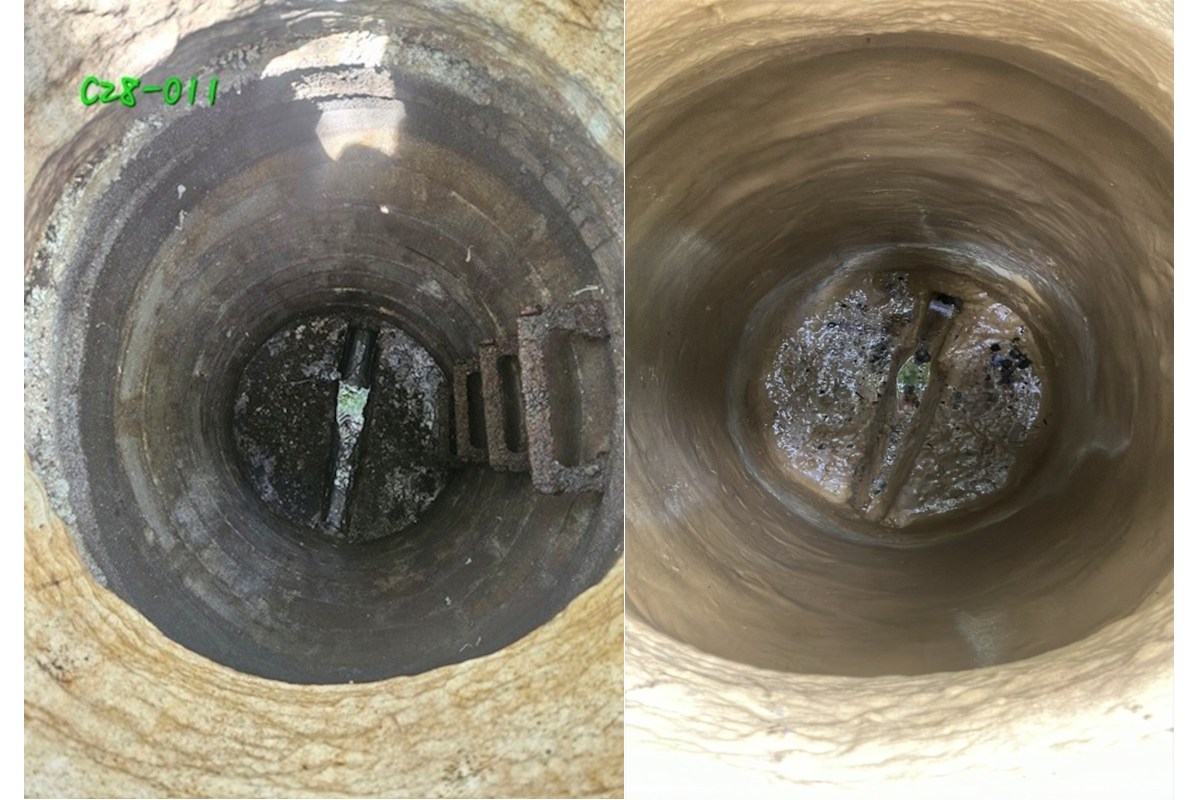
Most manholes are made from precast concrete using Portland cement, which makes them vulnerable to acid damage caused by biogenic sulfide corrosion. This bacterially driven process is common in wastewater environments. It quickly breaks down the cement, leading to loss of material and structural weakening.
Similarly, brick manholes built with clay or shale bricks and Portland cement mortar are at risk. Biogenic sulfide corrosion can attack the mortar joints. Sometimes, it causes severe damage when the mortar is fully eroded and the bricks become loose.
If not addressed, deteriorating manholes can result in expensive failures.
This type of corrosion in concrete and brick manholes shortens their lifespan. It also allows unwanted water from the surface or ground to enter the sewer system. The combination of structural damage and water infiltration places a significant financial strain on the utilities managing these collection systems.
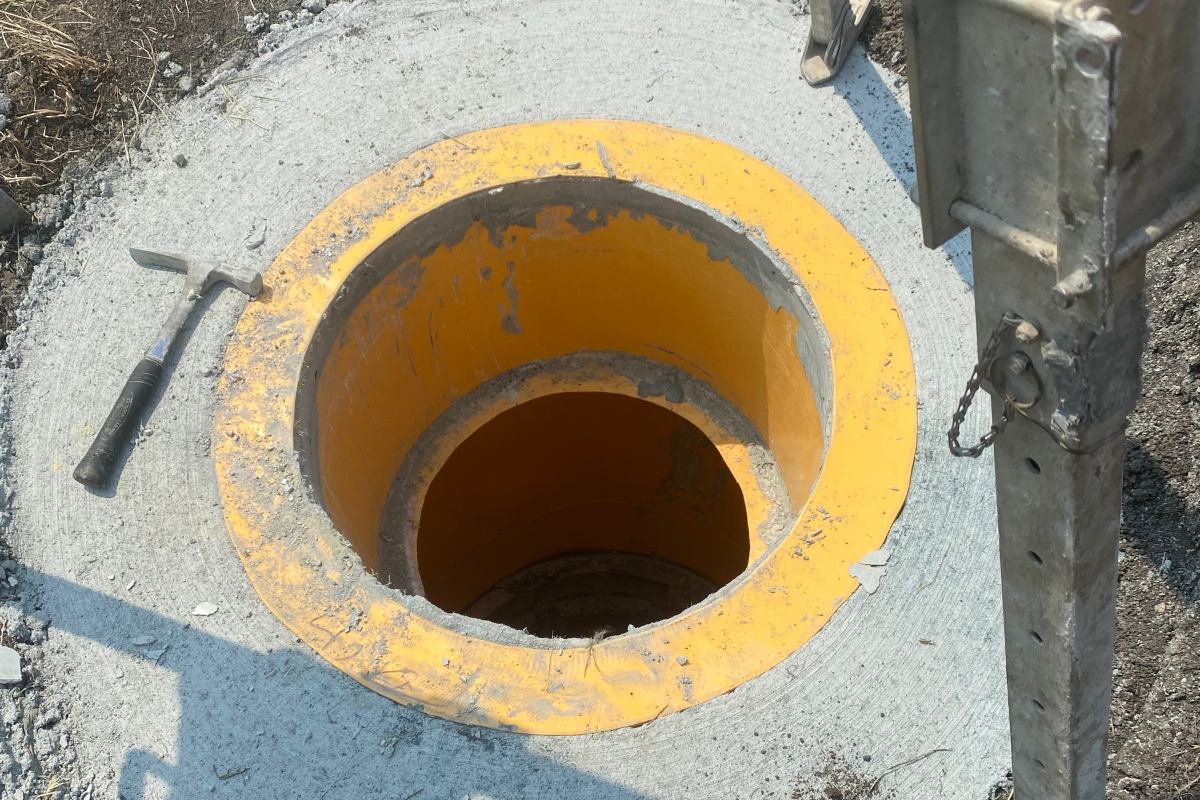
Fortunately, a trenchless method for sealing, repairing and lining existing manholes is helping. It can extend their service life without the need for complete replacement.
Manhole Rehabilitation
Several key reasons to support manhole rehabilitation:
Restoring Structural Strength
Over time, manhole walls — especially those made of brick or concrete — can develop cracks and deteriorate due to heavy traffic, shifting ground, and exposure to corrosive sewer gases like hydrogen sulfide. Trenchless rehabilitation techniques, such as installing bonded cement-based or polymer linings, help rebuild the structure’s integrity. They also prevent possible collapses or failures in the roadway above.
Controlling inflow and infiltration (I&I)
Inflow and infiltration occurs when excess surface or groundwater enters the sewer system through cracks, holes, or faulty seals around the pipes and manhole frame and cover. By sealing these entry points with specialized chemical injection- or hydraulic cement-grouts, utilities can stop this unwanted flow. This eases the load on wastewater plants and reduces operational expenses.
Prevents Corrosion
The harsh environment inside a sewer system makes manholes susceptible to chemical and microbial attacks. Applying corrosion-resistant, ultra-high build protective liners creates a barrier that can extend the manhole’s lifespan by decades, ensuring long-term durability.
Enhances Public and Worker Safety
Damaged or failing manholes can lead to hazardous conditions, including sinkholes. Rehabilitation ensures the integrity of the structure and improves safety features to protect both the public and maintenance workers.
Cost-Effective and Efficient Solution
Rehabilitation is a trenchless process, meaning it avoids extensive excavation, traffic disruption, and property damage associated with a full dig and replacement. It can often be completed in a matter of hours or days, at a fraction of the cost of replacement.
Extends Infrastructure Lifespan
Proactive inspection and rehabilitation are crucial for managing aging manholes. By addressing minor issues early, municipalities and facility owners can significantly extend the overall lifespan of their underground infrastructure. They can also avoid more costly emergency repairs down the line.
Surface Preparation
Manhole environments are subject to various contaminants over time, including hydrogen sulfide (H2S) gas, which fills the headspace and deposits sulfur on surfaces. Biogenic sulfide corrosion generates dilute sulfuric acid (H2SO4) that attacks and weakens the substrate.
Additional surface contamination comes from dirt deposits carried into the manhole by I&I, or surcharge conditions from sanitary sewer overflows (SSOs). These expose manhole surfaces to wastewater containing fats, oils, and grease (FOG) and other debris. These and many other types of contaminants interfere with optimum adhesion and I&I abatement capability of bonded rehabilitation technologies.
What is surface preparation and why does it need to be performed on manholes?
Surface preparation involves creating a clean, sound, and suitably roughened substrate — whether concrete or brick masonry — to ensure optimal bonding of protective lining systems. This process opens the pore structure and establishes the necessary profiles for cementitious or ultra-high build polymer linings. Improper surface preparation can lead to lining failure, resulting in costly repairs, downtime, and potential structural compromise.
To achieve consistent results, follow industry standards and guidelines for surface preparation such as SSPC-SP13/NACE No. 61,2. You can also use the NASSCO Brick Surface Preparation Guideline3,4.
Trowel-Applied Liners
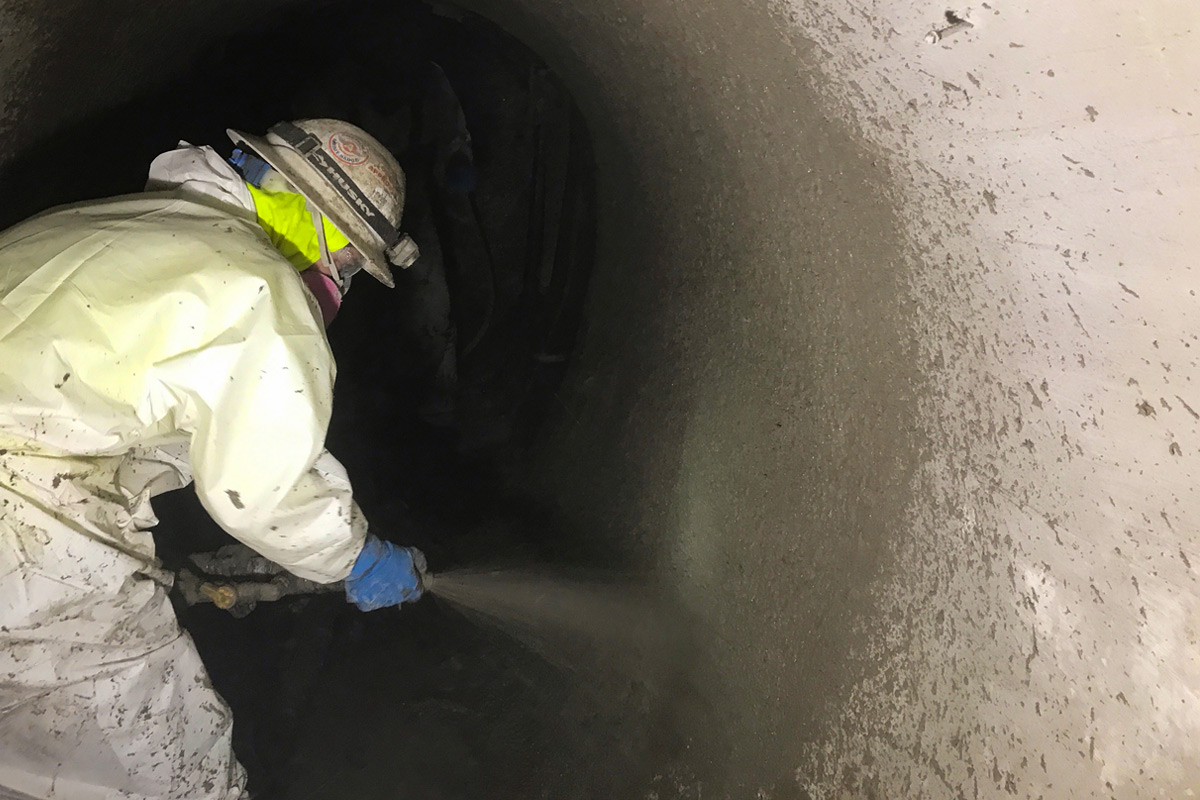
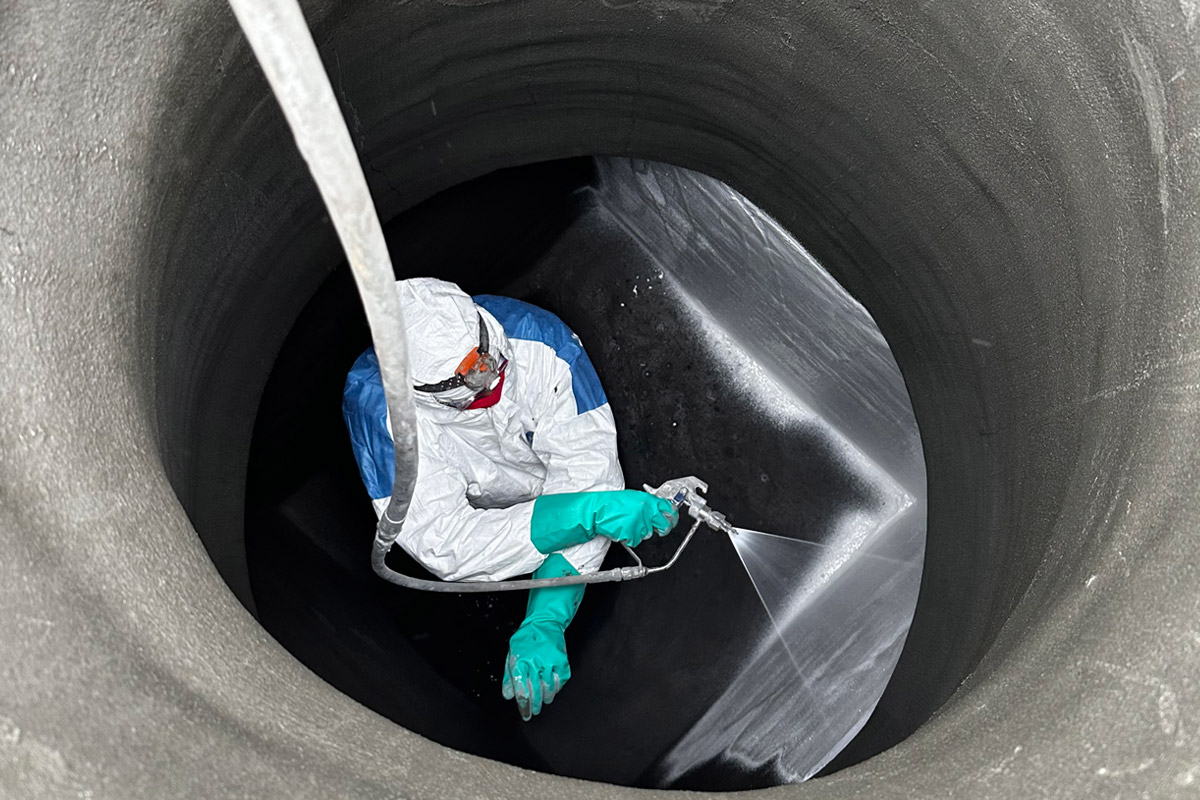
After the manhole surfaces have been properly prepared, either a cementitious or ultra-high build polymer liner is applied to reinforce structural strength, fill and seal cracks, and provide long-lasting protection against corrosion. Most cementitious liners are applied manually with a trowel, although some products can be sprayed on and then finished with a trowel for a smooth surface.
Polymer linings — especially those based on epoxy — are specifically designed to restore and safeguard manhole structures from harsh conditions such as hydrogen sulfide (H2S) corrosion and hydrostatic pressure. Unlike traditional cementitious mortars, trowel-applied polymer liners offer a robust barrier against chemical attack and groundwater infiltration. These liners bond strongly to concrete and brick masonry substrates. This ensures monolithic continuity and long-term performance even under saturated surface dry (SSD) conditions.
Conclusion
Surface preparation is fundamental to the success of any manhole rehabilitation project. If this step is overlooked or performed inadequately, it can result in I&I entering the manhole or cause failure of bonded rehabilitation systems.
Currently, the industry often depends on manufacturer guidelines for surface preparation, which can create inconsistencies in techniques and standards — even among similar rehabilitation techniques.
The primary goals of manhole rehabilitation are to restore structural integrity, prevent water ingress and corrosion, and safeguard public safety. Compared to full replacement, rehabilitation offers a much more cost-effective and less disruptive solution.
The trenchless approach not only minimizes surface disruption and associated costs but also significantly extends the service life of underground infrastructure.
References
- SSPC-SP13/NACE No. 6 Surface Preparation of Concrete, AMPP, Houston, TX, 2018.
- O’Dea, Vaughn, “How to Rehab a Manhole: Is there more to prep than meets the eye?” Trenchless Technology (February 2023), pp. 40-43.
- NASSCO Manhole Rehabilitation Performance Specification Guideline, NASSCO, Inc. Frederick, MD. 2025.
- Preparing Brick Masonry Manholes for Bonded Rehabilitation Systems. NASSCO Tech Tips, Edition 101, June 2025, NASSCO.org.
Vaughn O’Dea, PCS is Director of Epoxytec, a division of the Tnemec Co. Inc.
Latest Posts
- Why Gyroscopic Guidance Should Be Considered During HDD Planning

- ERT, CCTV and AI Redefine Leak Detection in Pressurized Water Mains
- Don’t Miss the UESI Pipelines 2026 Conference in Detroit
- UV CIPP Scales Up for Large-Diameter Culverts
- Learn how a Vermeer 24×40 HDD helped a contractor grow



Next Up
2026 Microtunneling Short Course | May 5-7, 2026 | Scottsdale, Arizona | Learn more